
Microscopes (8,000+ items) - Page 212

Expansion Short Style Glass Shell Vials without Closures, 15x45, PK144
Vials without Closures, 21x70 mm, 4 dram (16mL) 51 Expansion, PK144
Petri Dish, Slippable, Sterile, 60 x 15 mm, PK500
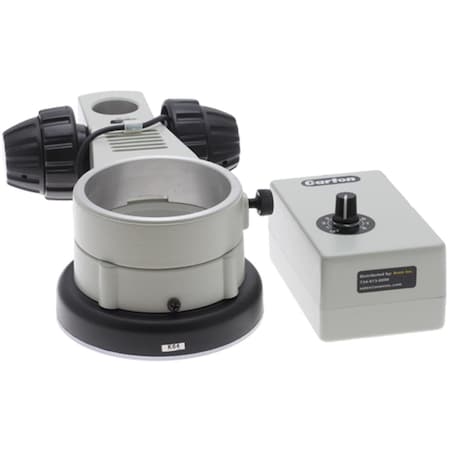
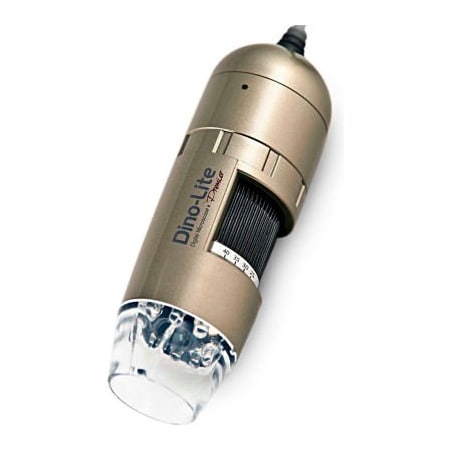
Dino-Lite AM4113TL-M40 Handheld Digital Microscope with Measurement & MicroTouch, 1.3MP, 5x - 40x
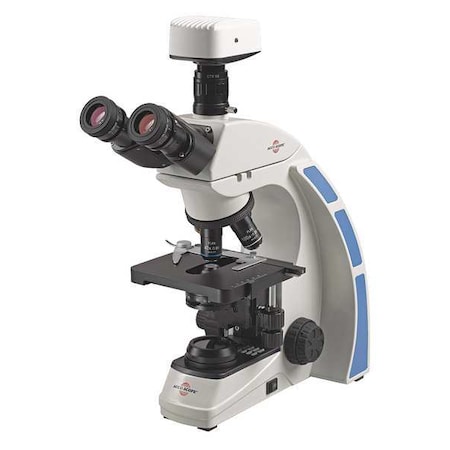
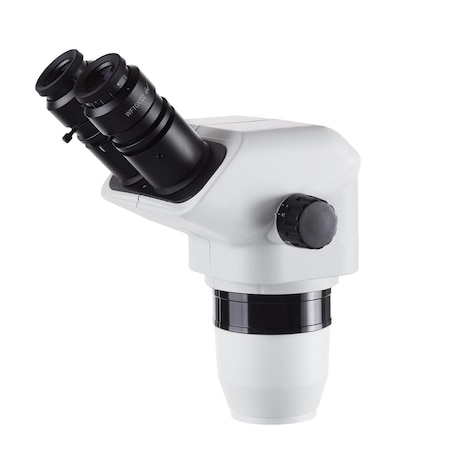
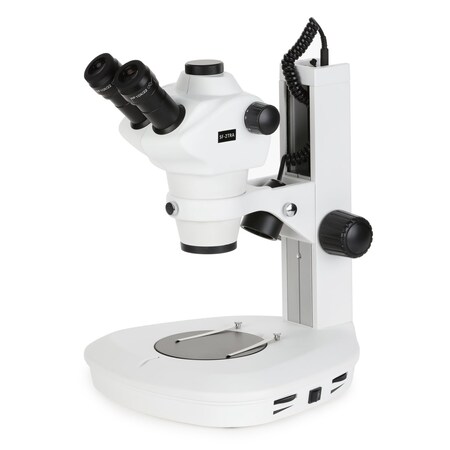
SF-2T Zoom Parfocal Trinocular Stereo Microscope 8X-50X on Track Stand w/Top & Bottom LED Lights
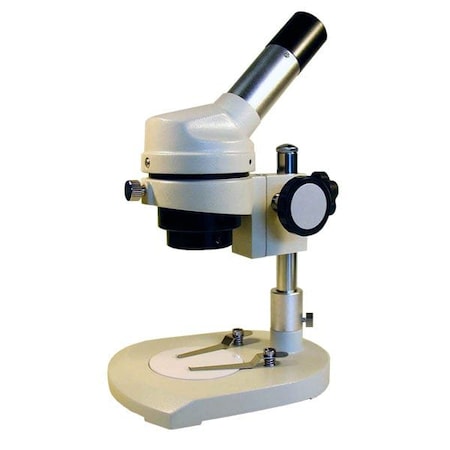
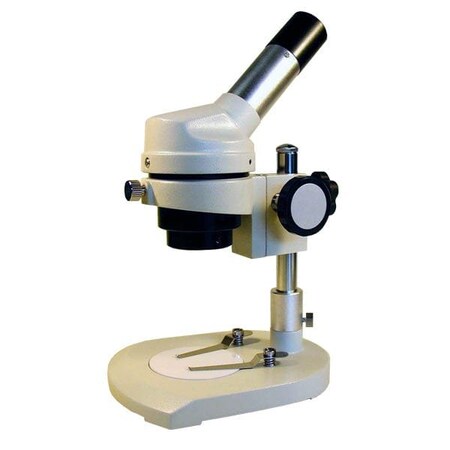
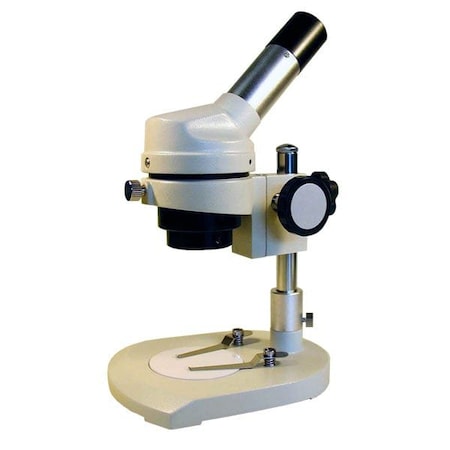
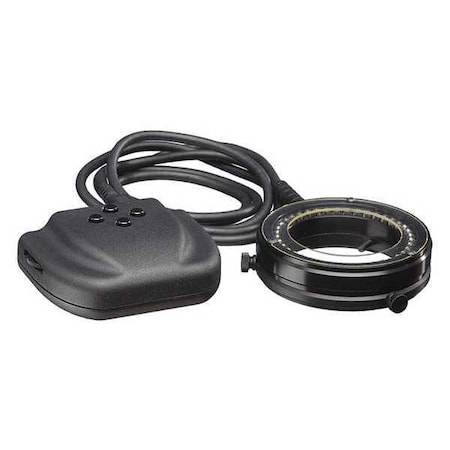
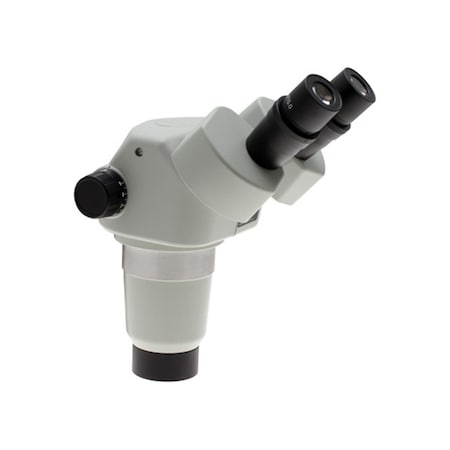
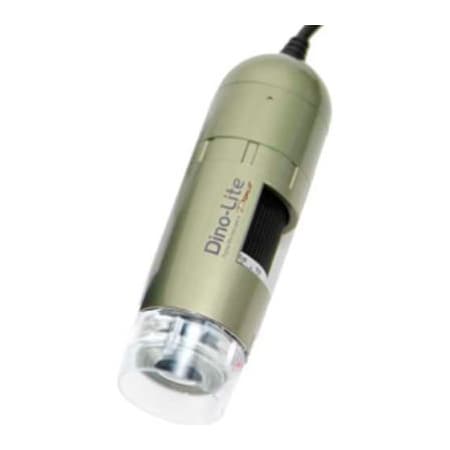
Dino-Lite AD4113TL Handheld Digital Microscope with Enhanced Working Distance, 1.3 MP, 10x - 90x
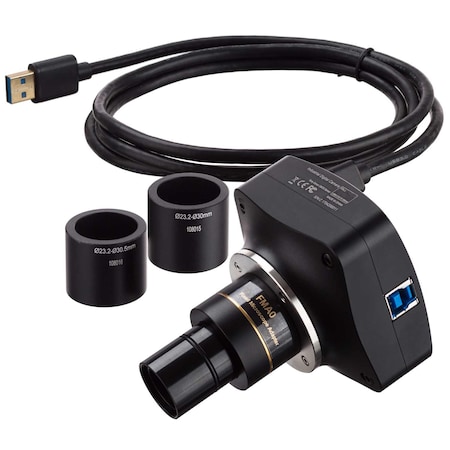
1.2MP USB 3.0 High-sens. Color CMOS C-mnt Microscope Camera w/Reduction Lens and Calibration Slide
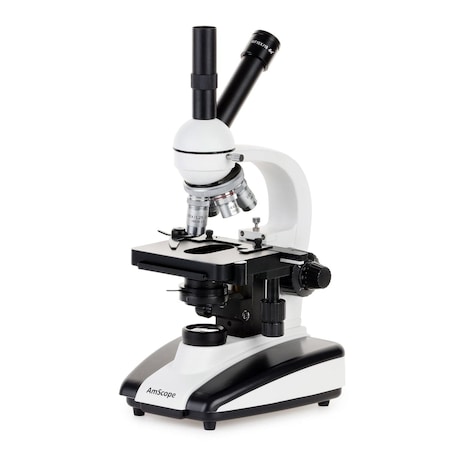
D130 LED Dual View Monocular Compound Microscope 40X-1000X w/3D Stage and Reversed Nosepiece
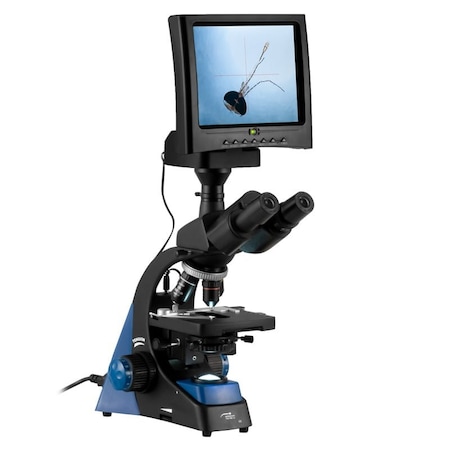
Biological microscope with 40-1000x magnification and 13 in camera LCD for lab imaging
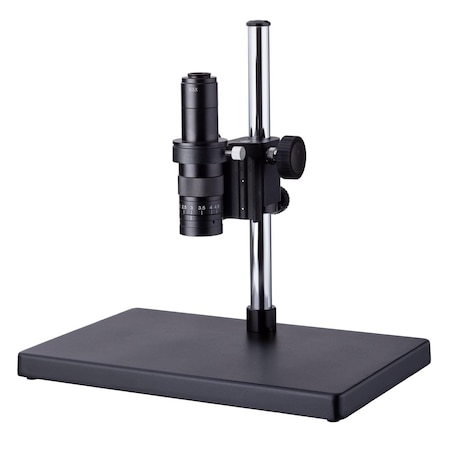
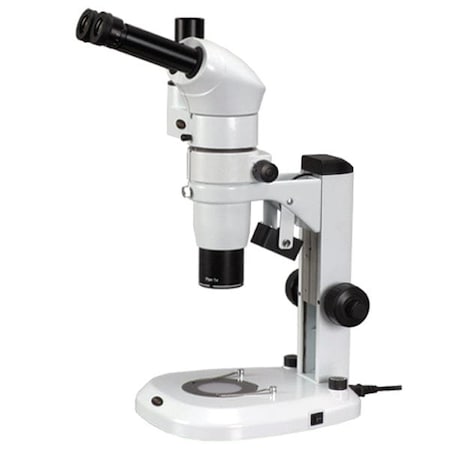
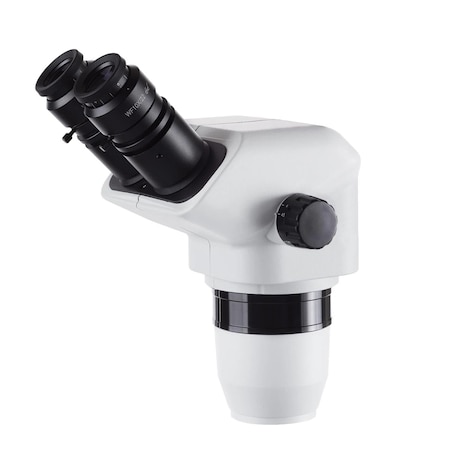
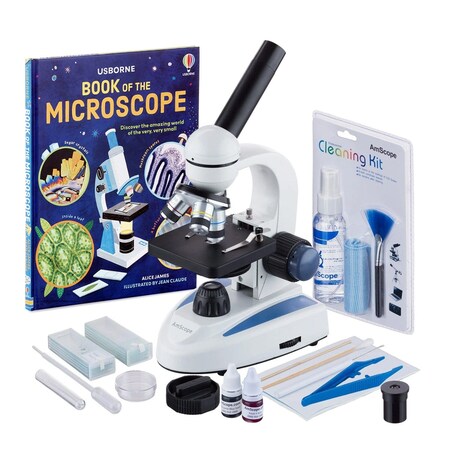
M158 Student Cordless Monocular Compound Microscope 40X-1000X w/Top & Bottom Lights, Slide Preparati
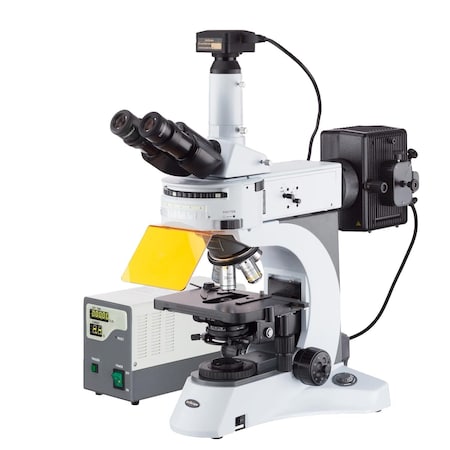
FM820 Upright Fluorescence Trinocular Compound Microscope 40X-1000X w/Rotating Multi-filter Turret
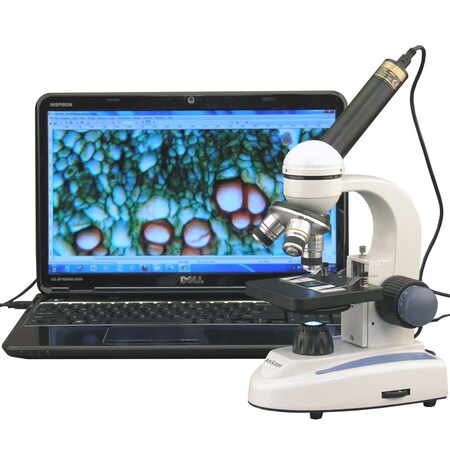
M158 Student Cordless Monocular Compound Microscope 40X-400X w/Top & Bottom Lights and USB Digital
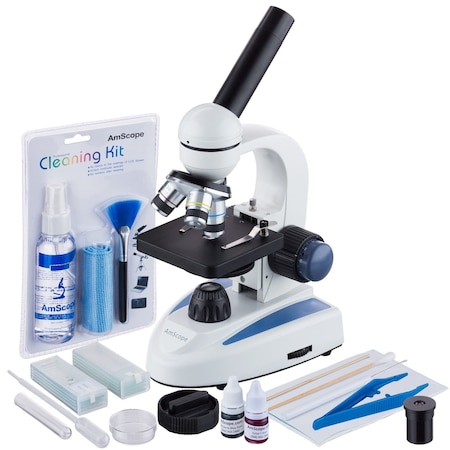
M158 Student Cordless Monocular Compound Microscope 40X-1000X w/Top & Bottom Lights, Slide Preparati
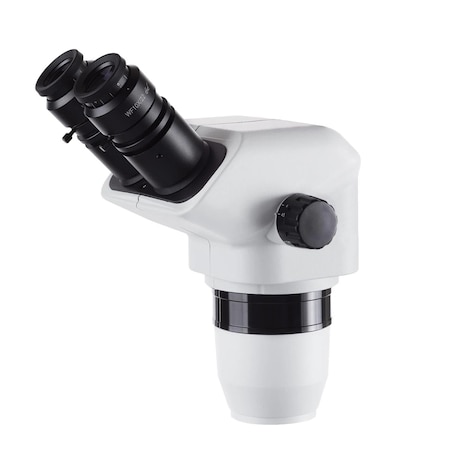
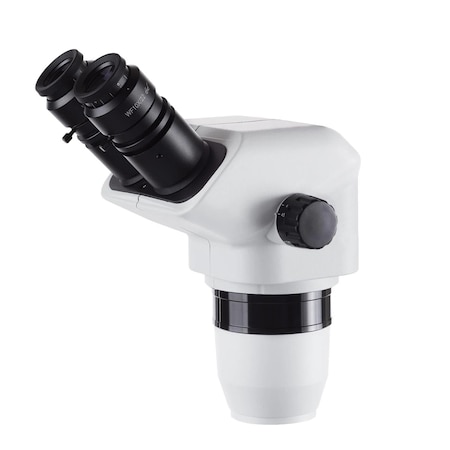
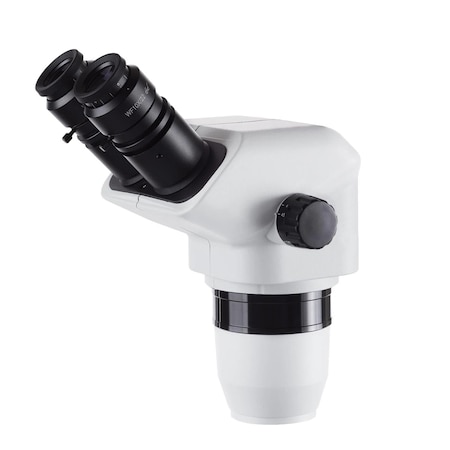
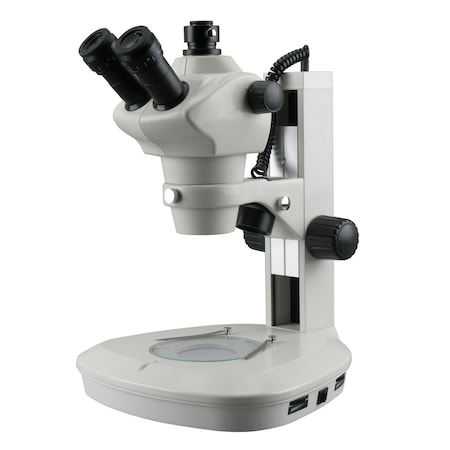
SF-2 Zoom Trinocular Stereo Microscope 8X-50X onTrack Stand w/2 LED Lights & 720p Wi-Fi Camera
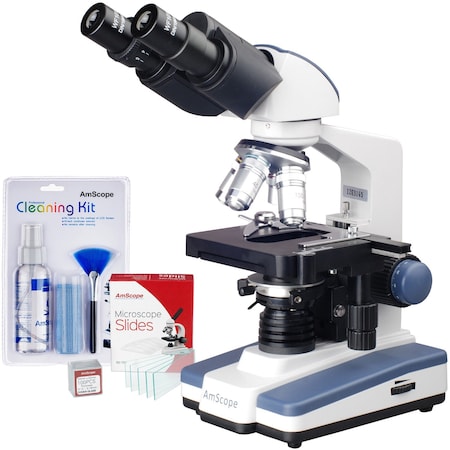
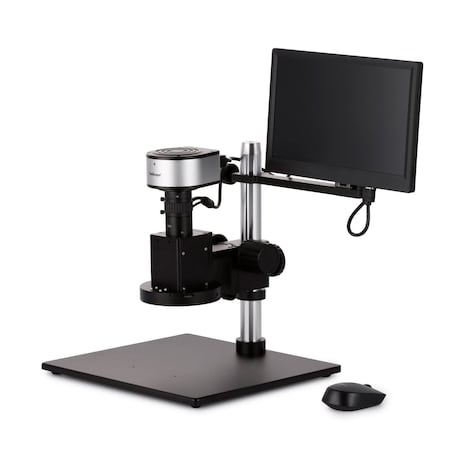
DM650 Digital Video Inspection Digital Microscope HD 0.6X-5X on Table Stand w/Smart Motorized Auto-
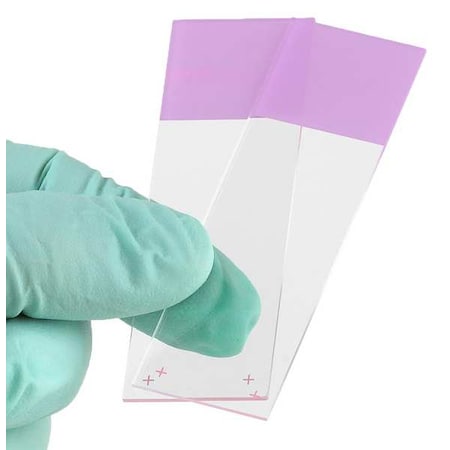
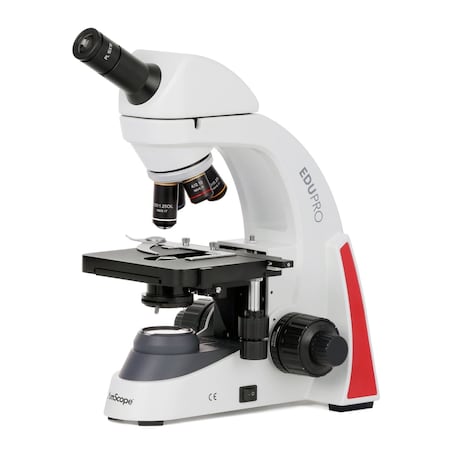
EduPro EDU550 Monocular Compound Microscope with 2-layer mechanical stage and 3W LED illumination
About Microscopes
Microscopes are powerful tools used in laboratories and classrooms around the world. They allow us to observe and analyze objects that are too small to be seen with the naked eye, helping scientists and students alike gain a better understanding of the world around them.
Types of Microscopes
Lab microscopes come in many different shapes and sizes, depending on their intended purpose. For example, there are compound microscopes for viewing microscopic organisms or tissues, stereo microscopes for observing 3D images of specimens, digital microscopes for capturing images digitally, and many more. Each type has its own unique features that make it well suited for certain tasks.
How Microscopes are Made
The construction of a microscope involves several components such as lenses, optical components like prisms or mirrors, light sources, power supplies and motors. The materials used depend on the application but usually include glass or plastic lenses, metal frames, high-quality optics, precision machined parts, sophisticated electronics, and reliable software.
Industries that use Microscopes
Microscopes are widely used across a variety of industries including medicine, forensics, research labs, educational institutions and manufacturing plants. Professionals such as doctors, biologists, chemists and engineers rely on these instruments to perform their work accurately. Additionally they can be purchased by individuals who need them for personal projects or hobbies.
Find the Microscopes You Need at Zoro
Looking for a specific item? Use our robust search tool to find it by name or keyword, or use our handy filters to narrow down our full assortment. You can also check out our whole selection of l2 along with other tools or supplies to ensure you have all you need to tackle the job, especially if you're taking on a DIY project for the first time. Plus, when you shop at Zoro, you'll always enjoy competitive prices on tons of great brands you know and trust. We make the shopping experience as fast and seamless as possible with free shipping on orders over $50 for registered users, Net 30 payment terms for qualifying customers, and an unparalleled customer service experience.