


How to Clean and Replace Air Filters on Your Furnace
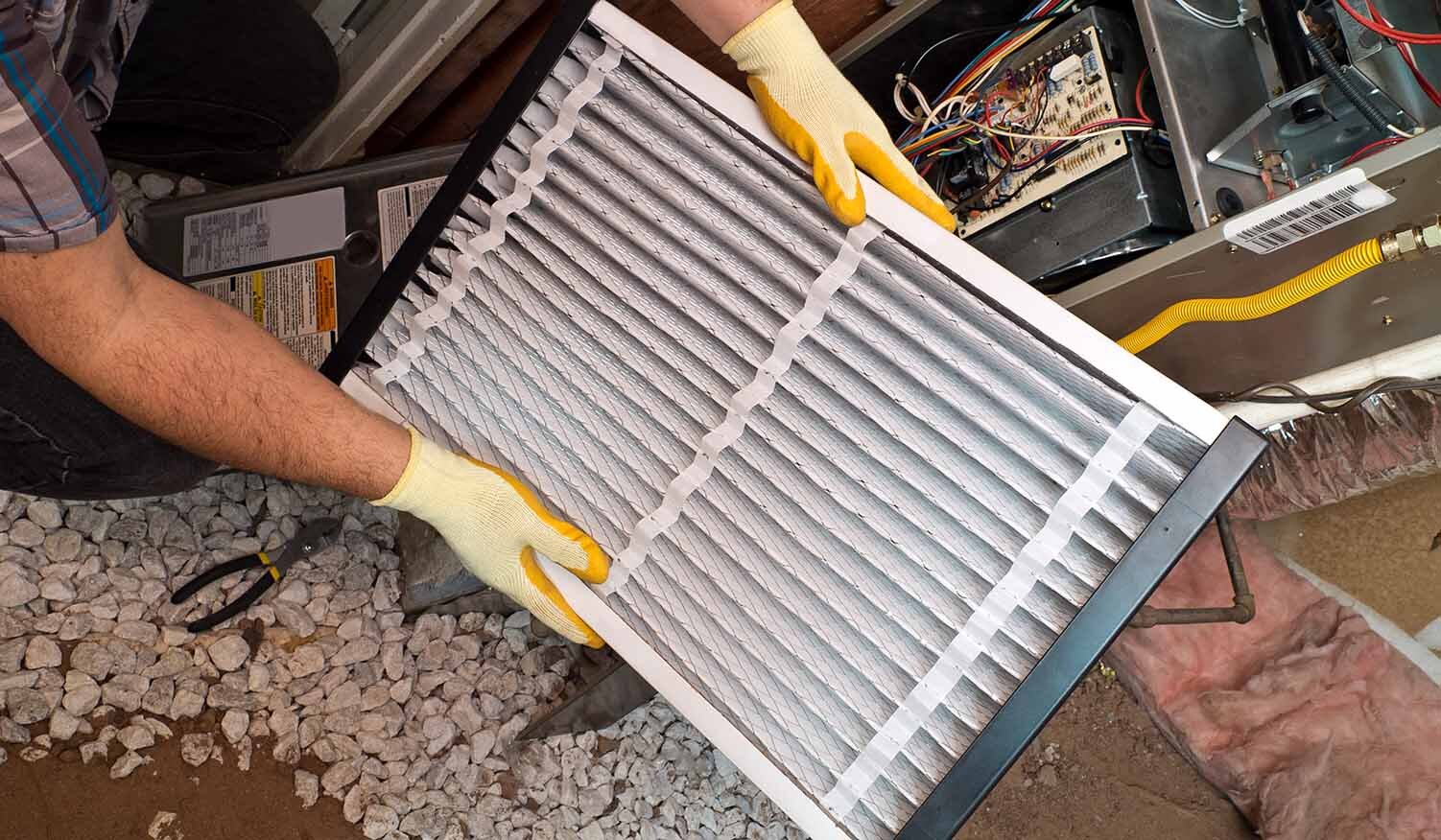
Is it better to have a dirty air filter or no air filter? That’s probably not a question you want to find yourself asking. While changing out an air filter may seem like a lot of work, it’s actually quite simple. And did you know that you can clean an air filter, or vacuum it, to make it last longer?
Read this article to learn what happens if you don’t change your furnace filter and get tips on how to clean or change your filter for more efficient heating and cooling.
Why You Should Change Your Air Filter
Whether you have a mixed furnace/AC unit, a window air conditioner, or some other type of heating or cooling system, chances are that system has some type of filter. Air filters use fiberglass, cloth, or paper within a cardboard frame to prevent debris from entering the air that circulates throughout your home.
Things Your Air Filter Can Trap
- Dust and dirt
- Pollen
- Mold and mold spores
- Fibers and lint
- Metal, plaster, or wood particles
- Hair and animal fur
- Bacteria and microorganisms
But what happens if you don’t change your furnace filter? This is actually more consequential than you might expect. When an air filter collects too much debris, your system can become clogged. This makes the system work harder to heat or cool rooms. As a result, you’ll get less reliable temperature control and raise your energy bills as the system becomes less and less efficient. Clogged air filters can also cause health issues, clamped up coils, and eventually, system malfunction.
Having said all that, if your air filter is clogged, it might seem like it makes more sense to just take the filter off. But is it better to have a dirty air filter or no air filter at all?
The truth is, you don’t really want either of these scenarios. While a clogged filter might be making your system work harder, using no filter at all risks ruining your system completely. Think of it like a sink strainer. When you remove the sink strainer from your sink, large particles can travel down the drain and cause your pipes to clog up. And once your pipes become clogged, a simple fix can turn into a really expensive problem. With HVAC systems, though, even smaller particles—like dust—can cause your system harm.
The good news is that even if your air filter is dirty, you’re not completely out of luck.
Can I Vacuum My Air Filter?
Vacuuming your air filter could extend its life. And there are other ways you can clean an air filter, too.
Steps to Clean an Air Filter
1. Vacuum
The best approach to vacuuming your air filter is to vacuum around the edges first before you remove it. This will help clean up any debris around the area. Then remove the filter and vacuum both sides. If you don’t have a vacuum cleaner, that’s alright. You can skip to step two.
2. Rinse
A gentle rinse with an outdoor water hose can also help remove debris. Just don’t use any high-pressure spray washes that might damage the filter, and be careful to avoid the cardboard frame.
3. Scrub
If your filter is clean at this point, great! Skip ahead. If it’s been a while since you’ve cleaned it, oils might have caused the filter to get a bit gunky. To remove the gunk, use a small amount of dish soap and a sponge. Lightly scrub at any trouble spots.
4. Dry
Before replacing your filter, make sure you’ve set it aside to air dry. Reinsert the filter once it’s completely dried. When you reinsert the filter, make sure to put it in the right way. What happens if you put your air filter in backwards? Similar to a clogged filter, a backward air filter will force your system to work hard in order to produce air flow, which could eventually damage the system.
How Long Does an Air Filter Last?
Determining how long an air filter lasts depends on the type of filter you use and how often you use your system. Generally, most air filters need to be replaced every 3 to 6 months. But air filters that are thicker than 3" can be replaced every 6 to 9 months, and filters thicker than 5" can last anywhere from 9 to 12 months.
Should You Use Cheap Air Filters?
Since air filters have to be replaced relatively often, you might wonder if cheaper air filters are better. They might be. If your goal is just to keep your system up and running as efficiently as possible, a cheaper filter might not be a bad idea (especially if that encourages you to buy a few and keep replacing them often).
However, the most expensive filters tend to offer more features—like filtration of pet dander. But keep in mind that extra-dense filters will also force your system to work harder and be less energy efficient.
Understanding how you can clean or vacuum an air filter, or replace it, will help keep your system in working order. While keeping up with this type of maintenance may seem like a hassle, it can save you money in the long run and help ensure you’re getting the most out of your HVAC system.
Product Compliance and Suitability
The product statements contained in this guide are intended for general informational purposes only. Such product statements do not constitute a product recommendation or representation as to the appropriateness, accuracy, completeness, correctness or currentness of the information provided. Information provided in this guide does not replace the use by you of any manufacturer instructions, technical product manual, or other professional resource or adviser available to you. Always read, understand and follow all manufacturer instructions.
