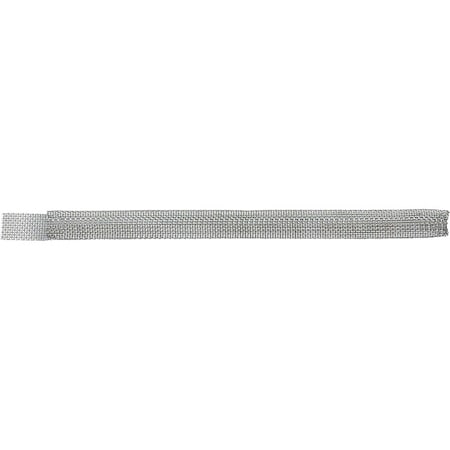
Shop Top Sellers in Adhesive Anchors & Accessories
Frequently Asked Questions
Adhesive anchors are used to secure threaded rods and bolts into concrete. They consist of a threaded rod or bolt that is embedded in an adhesive. The adhesive is then inserted into a drilled hole in concrete. As the adhesive cures, it bonds to the rod and the concrete, creating a strong and permanent connection.
There are various types of adhesive anchors, each designed for specific applications. Common types include wedge anchors, sleeve anchors, chemical anchors, and undercut anchors. The choice of anchor depends on factors such as the weight of the fixture being secured, the type of concrete, and the desired level of performance.
Using adhesive anchors generally involves drilling a hole in the concrete to the specified depth and diameter for the chosen adhesive anchor. The hole is then cleaned to remove any dust or debris. The adhesive cartridge is inserted into a caulking gun, and the adhesive is injected into the hole until it is approximately 2/3 full. The threaded rod or bolt is then inserted into the hole and rotated to ensure proper distribution of the adhesive. The fixture can be attached to the rod or bolt once the adhesive has cured.
Adhesive anchors offer numerous advantages over mechanical anchors, such as their ease of use, versatility, and resistance to corrosion. They do not require special tools or extensive training to install, making them suitable for DIY projects. They are also effective in various concrete conditions, including cracked or uncracked concrete. Additionally, they provide excellent vibration resistance and can withstand high loads.