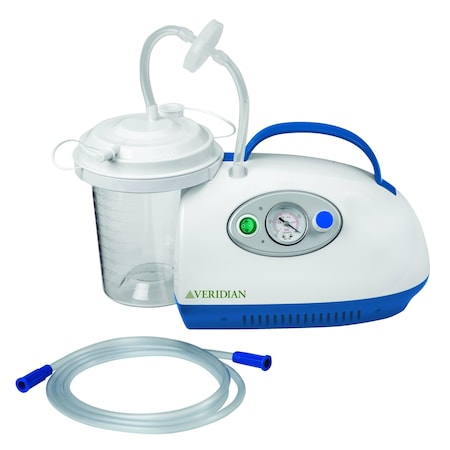
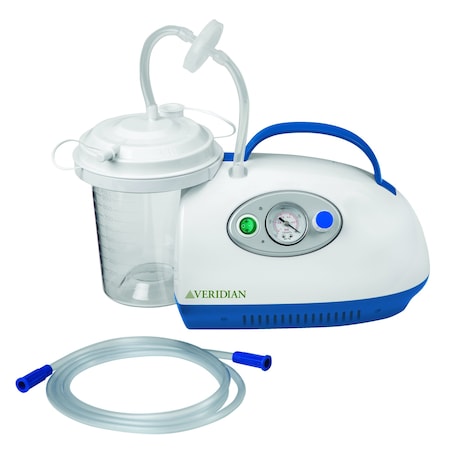
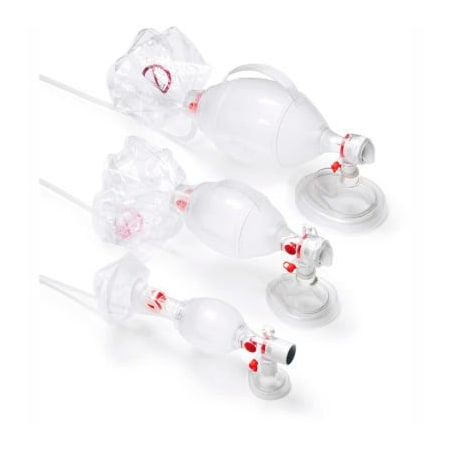
Intubation involves inserting a tube into the windpipe to establish an airway, while ventilation refers to the process of delivering oxygen to the lungs using a mechanical device.
Artificial respiration should be administered when an individual is not breathing or is experiencing inadequate respiration.
Intubation may involve risks such as damage to the teeth, throat, or vocal cords, as well as potential complications related to the administration of anesthesia.
Intubation tubes come in various types, including endotracheal tubes, nasogastric tubes, orogastric tubes, and tracheostomy tubes, each designed for specific clinical purposes and patient needs.