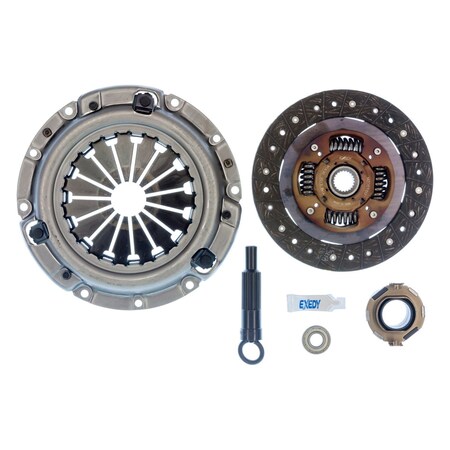
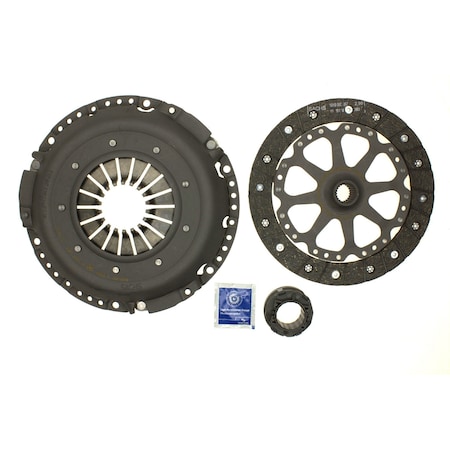
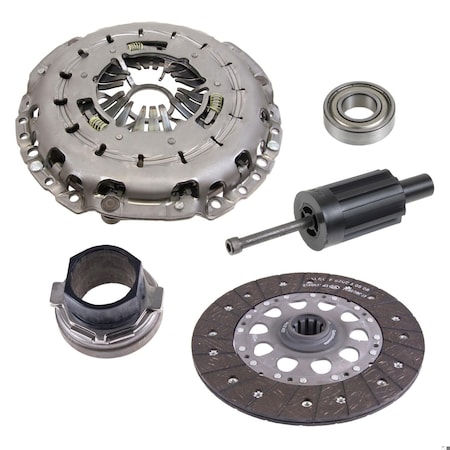
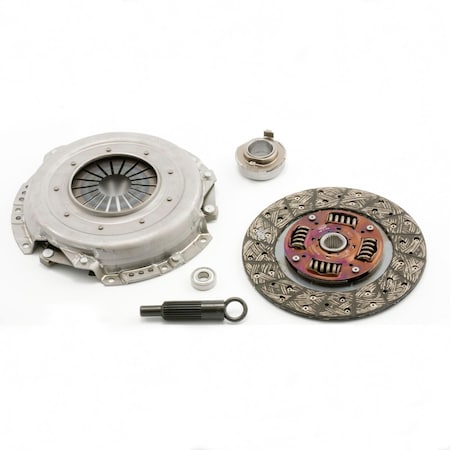
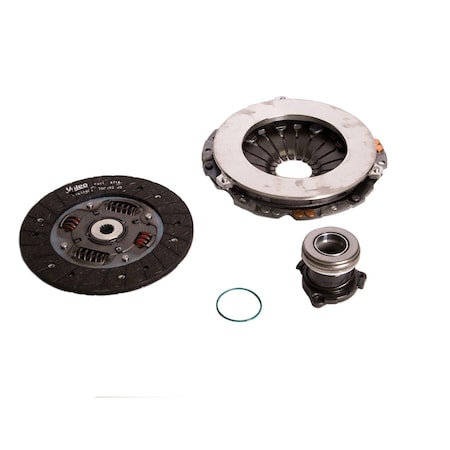
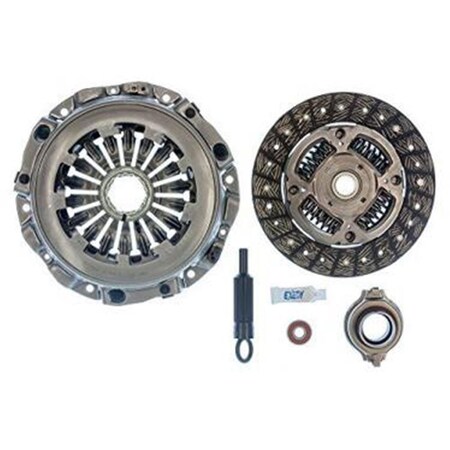
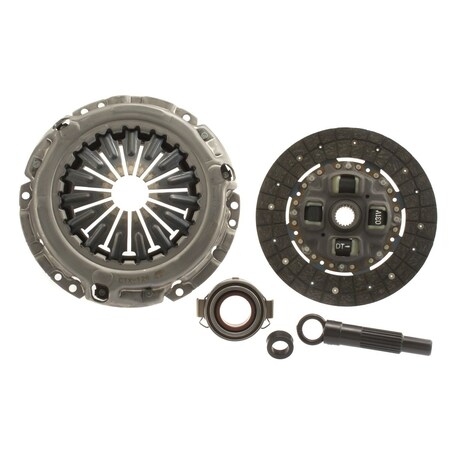
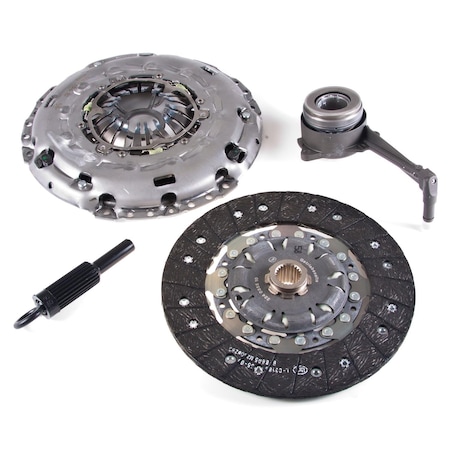
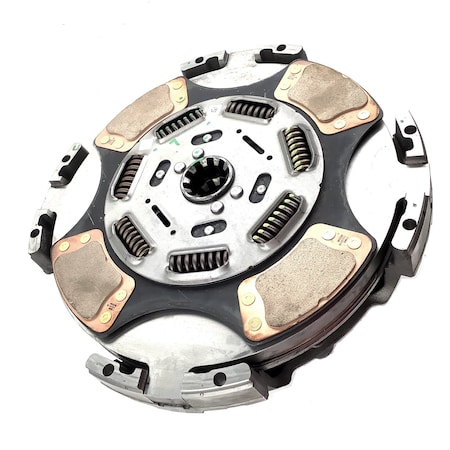
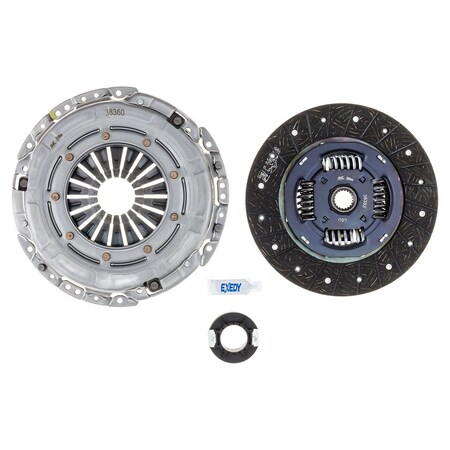
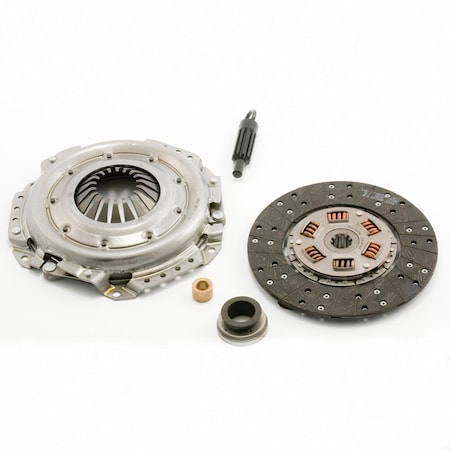
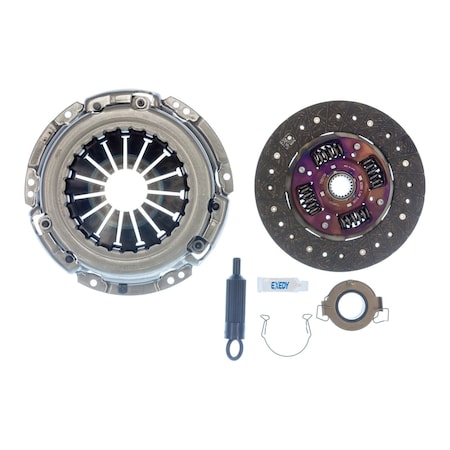
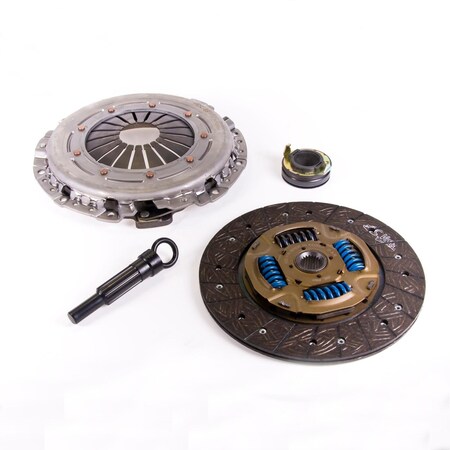
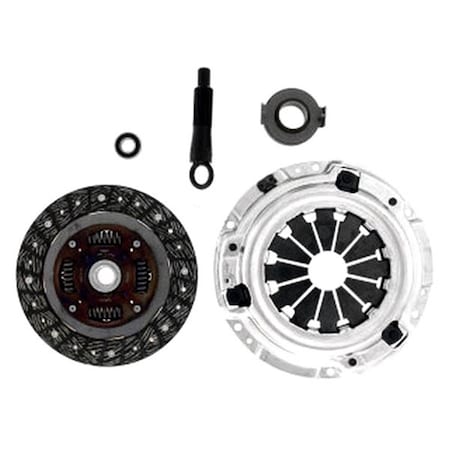
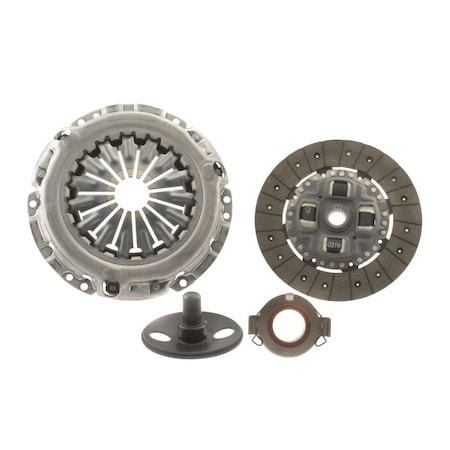
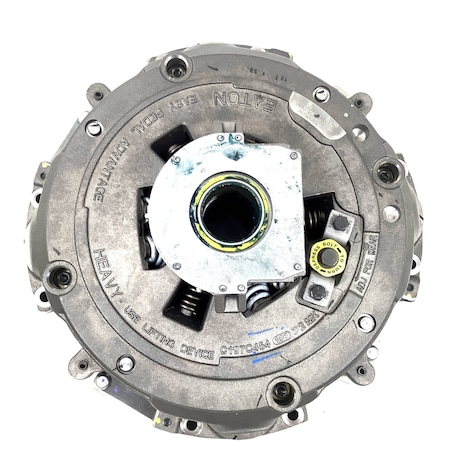
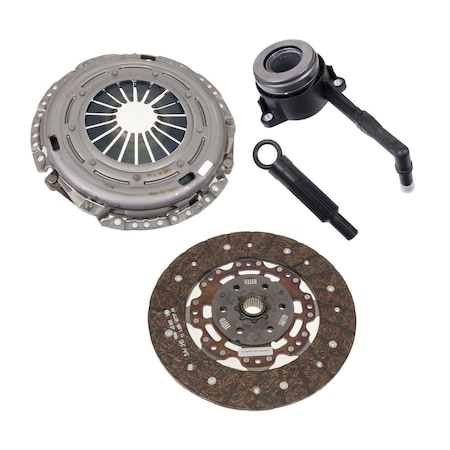
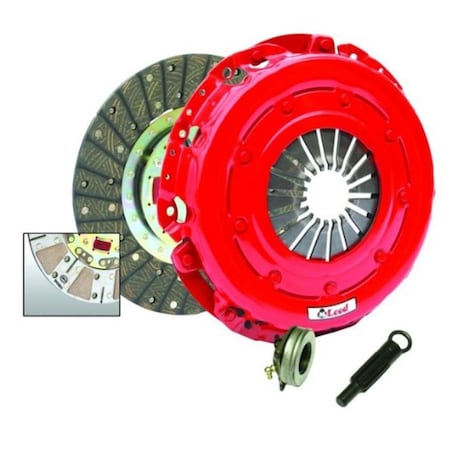
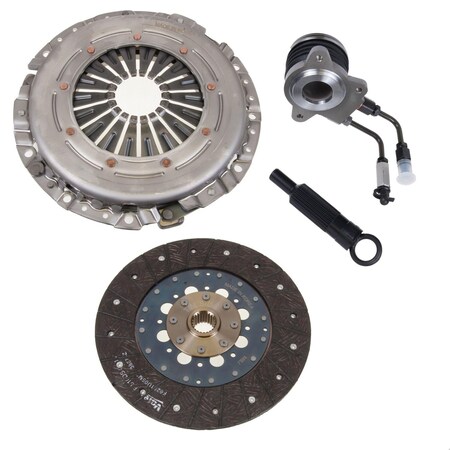
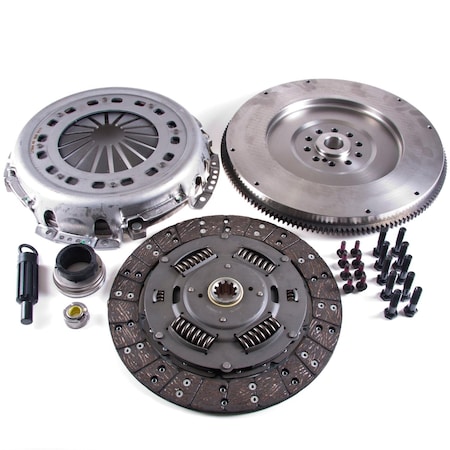
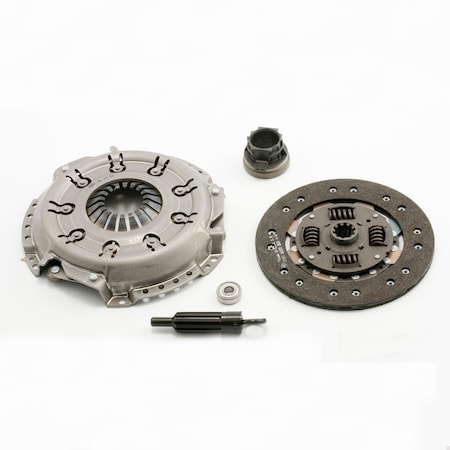
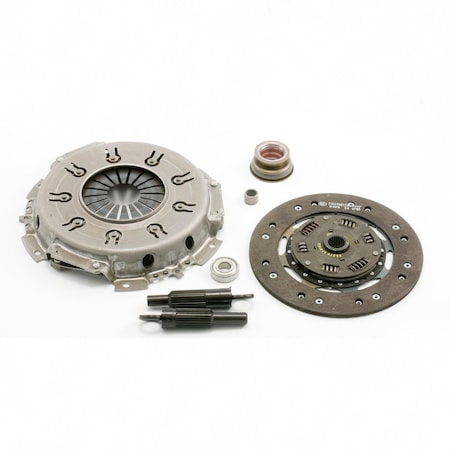
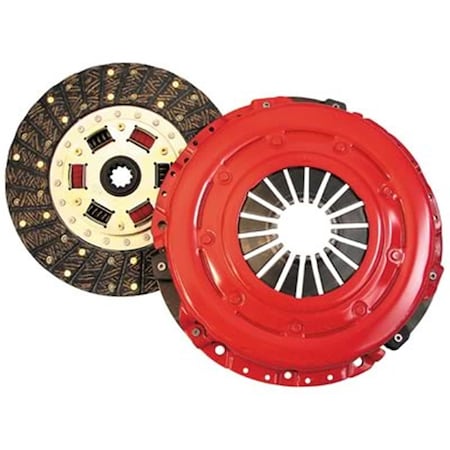
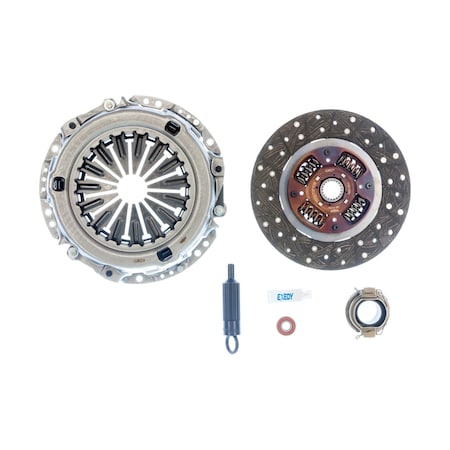
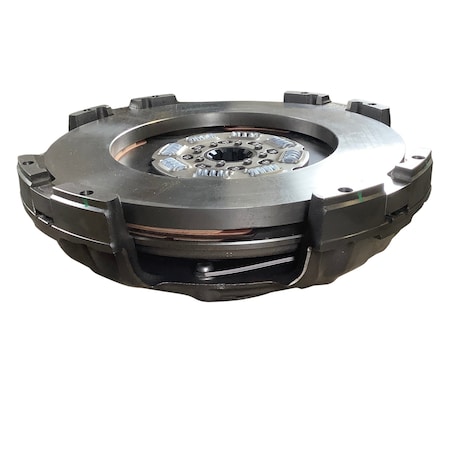
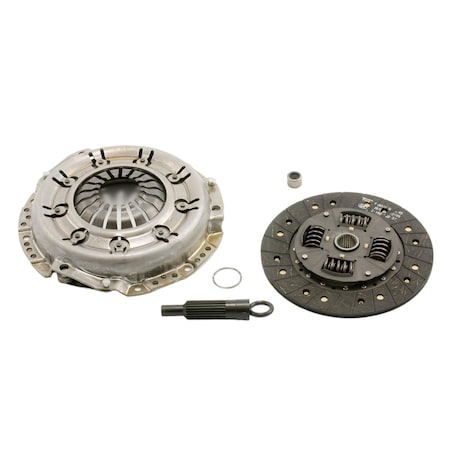
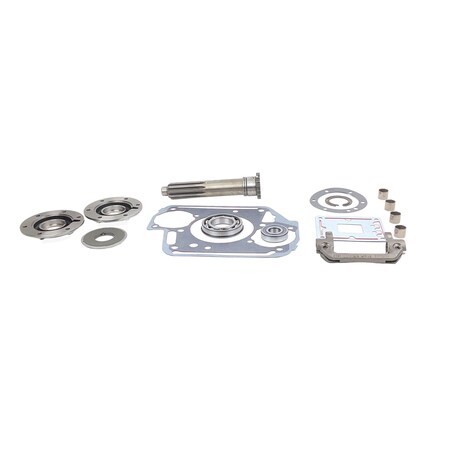
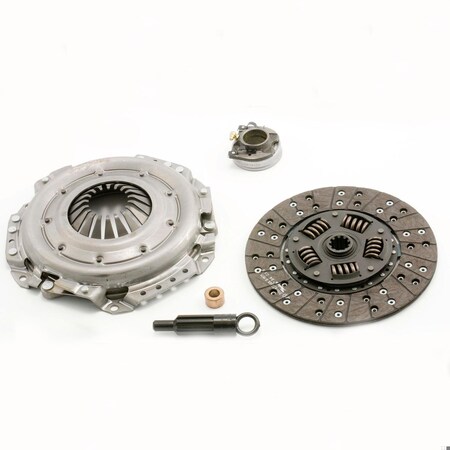
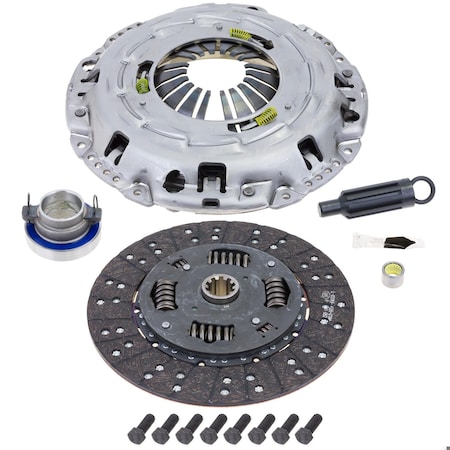
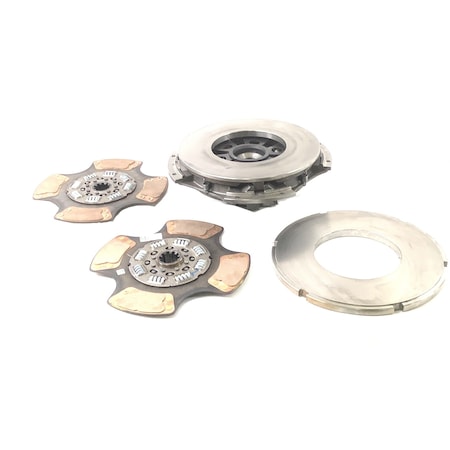
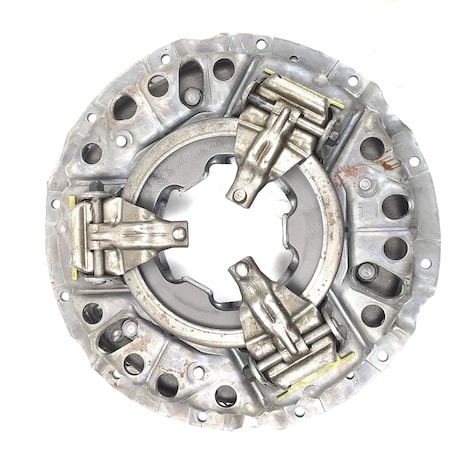
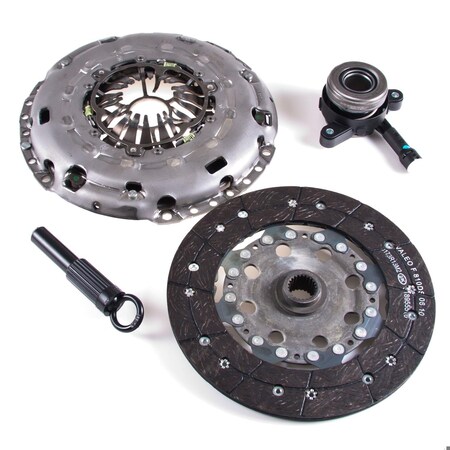
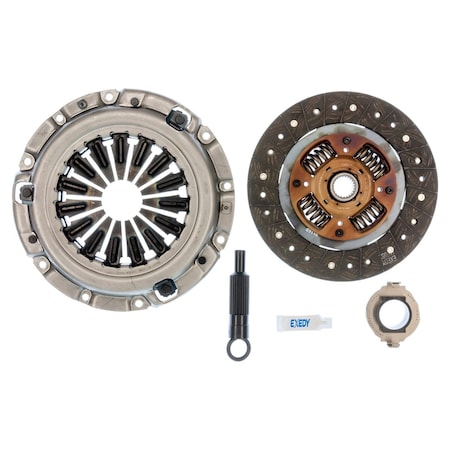
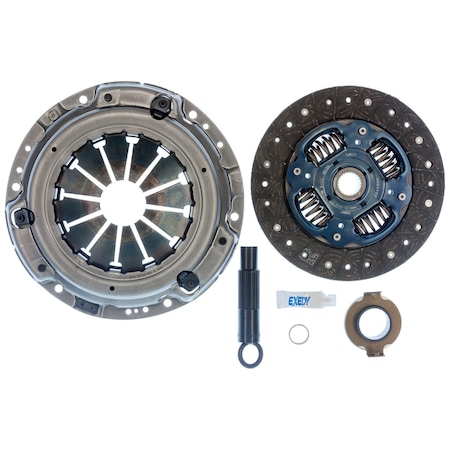
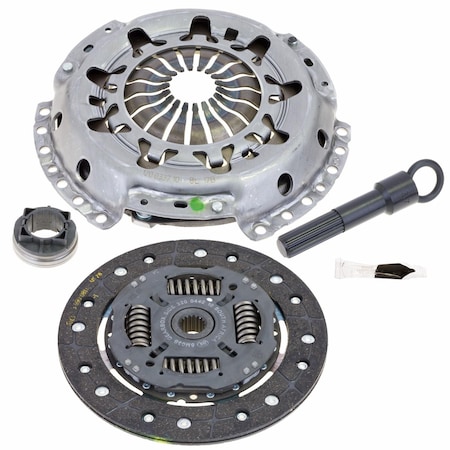
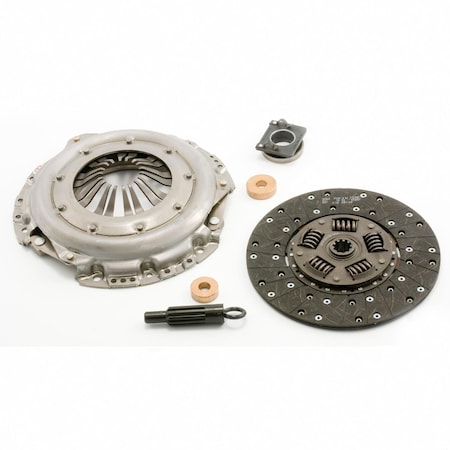
Automotive clutch kits come in three primary variations: single-disc, dual-disc, and twin-plate. Single-disc clutch kits are the most common and suitable for daily driving and light-duty applications. Dual-disc clutch kits offer increased torque capacity and durability for performance vehicles. Twin-plate clutch kits provide the highest torque capacity and are designed for high-performance racing applications.
Common signs indicating the need for an automotive clutch kit replacement include difficulty shifting gears, grinding or slipping noises when engaging the clutch, a spongy or stiff clutch pedal, and vibrations or shuddering during gear changes.
Key factors to consider when selecting an automotive clutch kit include the vehicle's make, model, and engine specifications; the intended use and driving style; and the torque requirements of the application. Additionally, the material composition and performance characteristics of the clutch kit, such as durability, heat resistance, and engagement feel, should be evaluated.
Installing an automotive clutch kit requires specialized knowledge and equipment and should generally be performed by a qualified mechanic. It involves disassembling the transmission, replacing the clutch assembly, and reassembling the components to ensure proper operation and longevity.