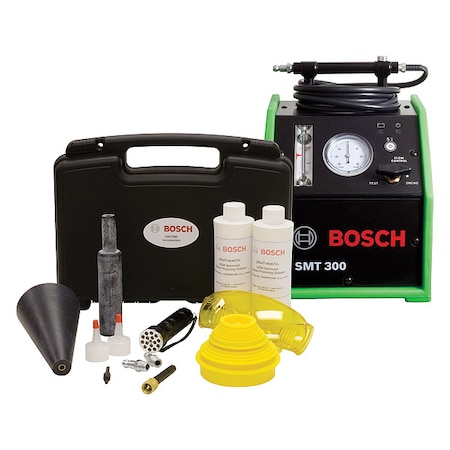
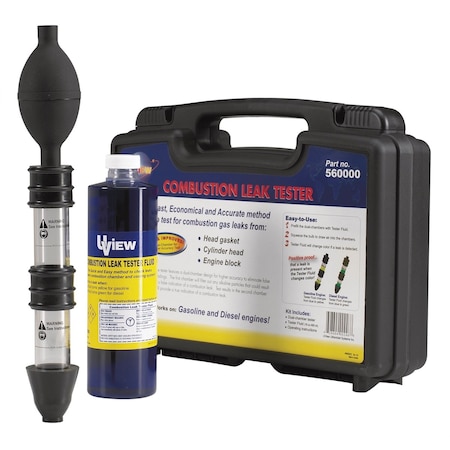
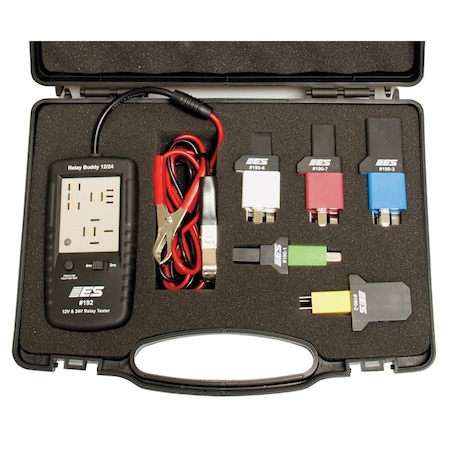
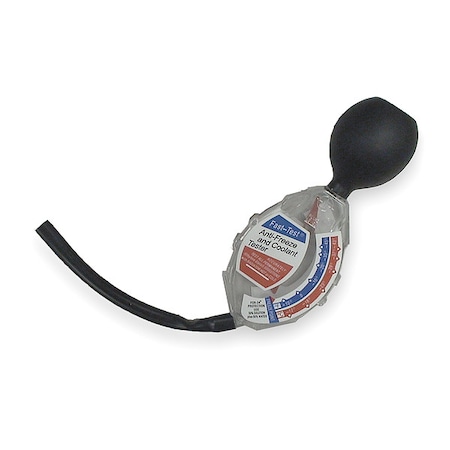
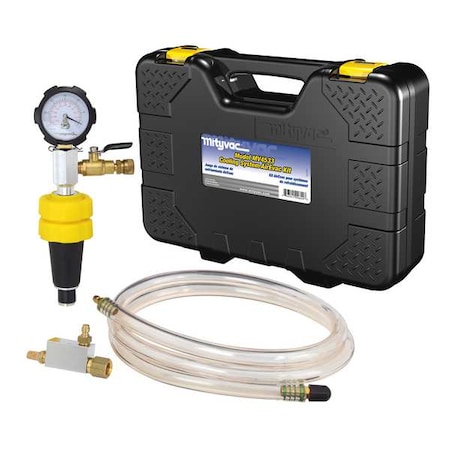
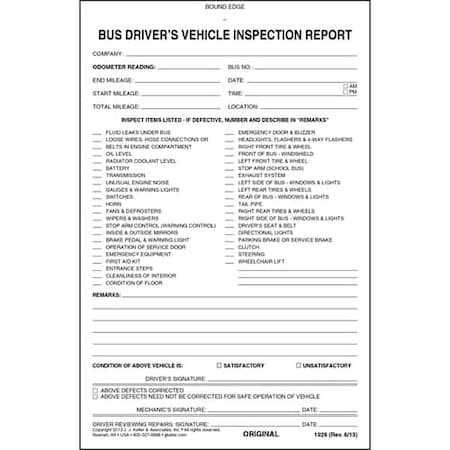
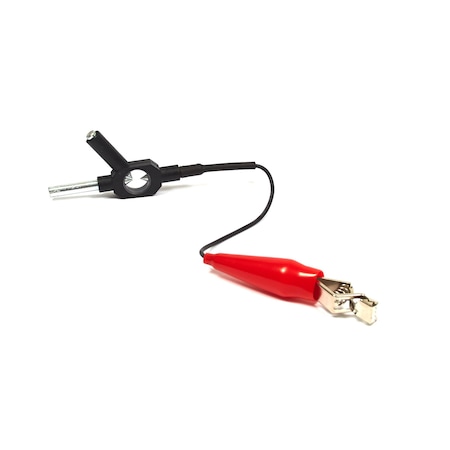
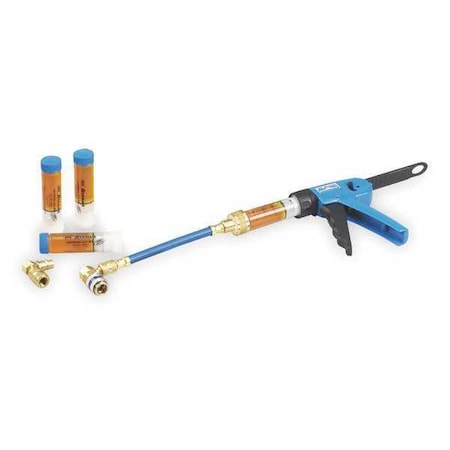
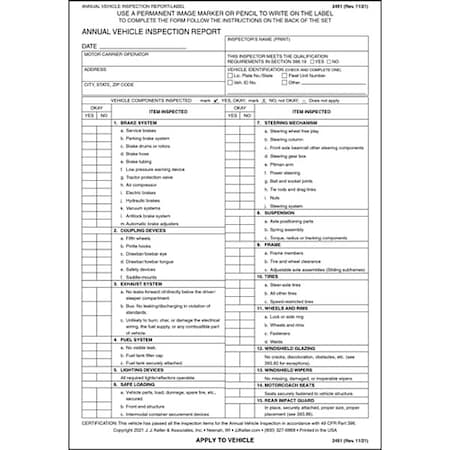
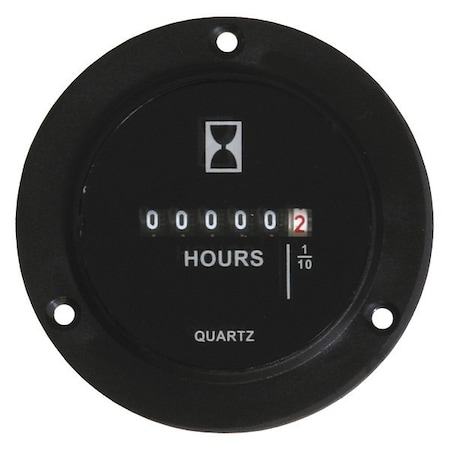
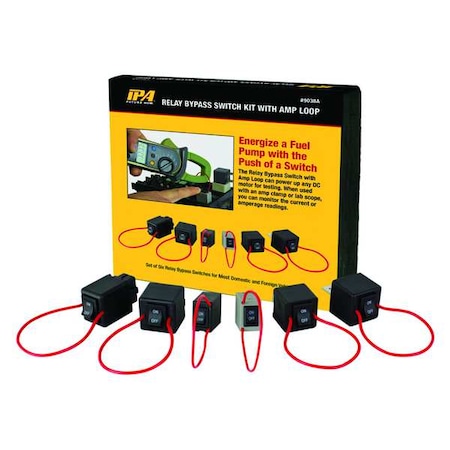
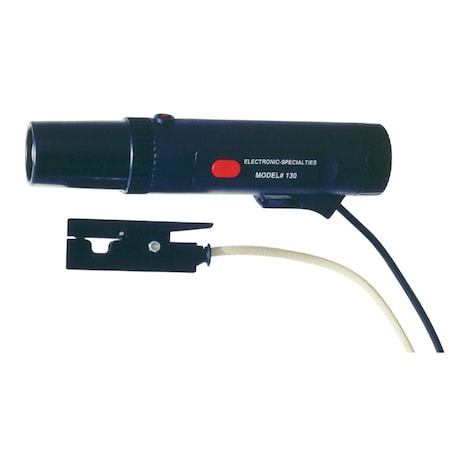
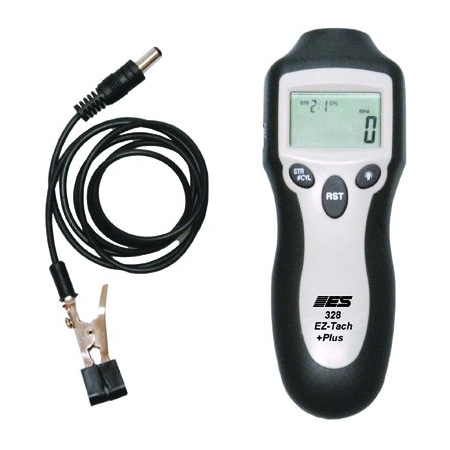
Automotive diagnostic tools come in various types, including code readers, scan tools, graphing multimeters, oscilloscopes, and advanced diagnostic systems. Each tool serves a specific purpose, from retrieving diagnostic trouble codes to performing in-depth electrical and electronic system analysis.
Selecting the right diagnostic tool depends on your skill level, the type of vehicle you're working on, and the specific tasks you need to perform. Consider factors such as code reading capabilities, diagnostic functions, user interface, and compatibility with your vehicle.
Automotive diagnostic tools empower you to identify and troubleshoot vehicle issues quickly and accurately. They provide detailed information about fault codes, system data, and live sensor readings, allowing you to diagnose and repair problems efficiently, reduce downtime, and ensure optimal vehicle performance.
Interpreting diagnostic results requires a combination of technical knowledge and experience. Each code or parameter reading indicates a potential issue or system condition. Refer to vehicle-specific service manuals, online resources, or consult with a qualified mechanic to correctly diagnose the problem and determine the appropriate repair strategy.