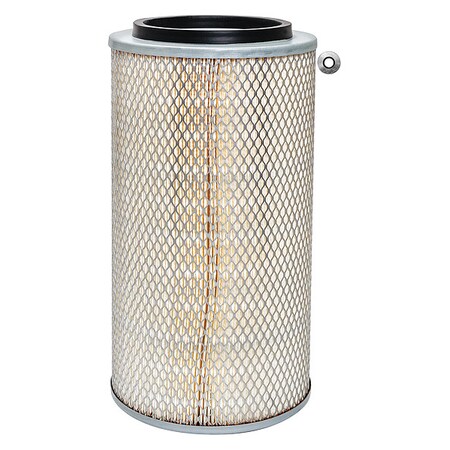
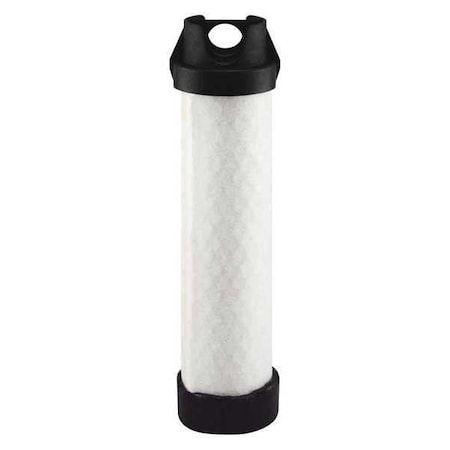
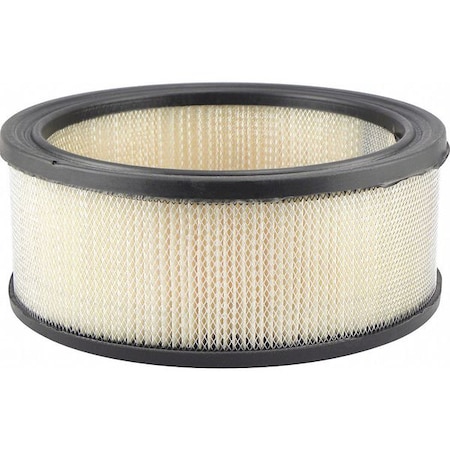
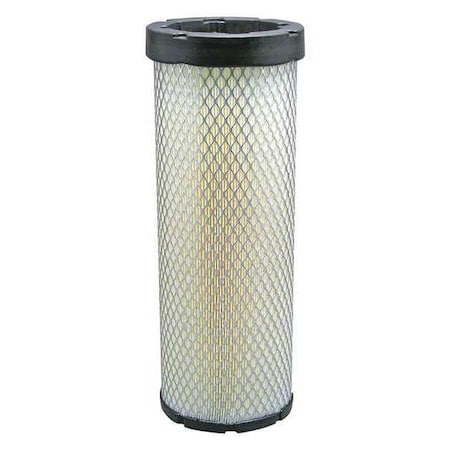
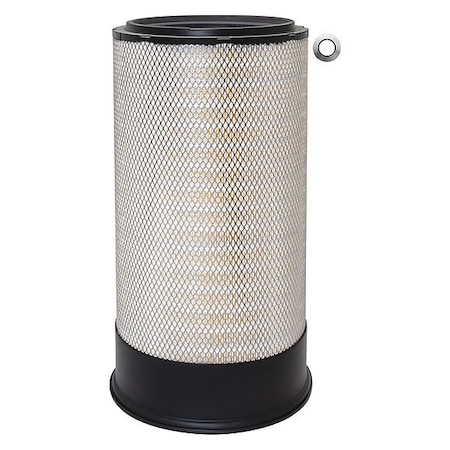
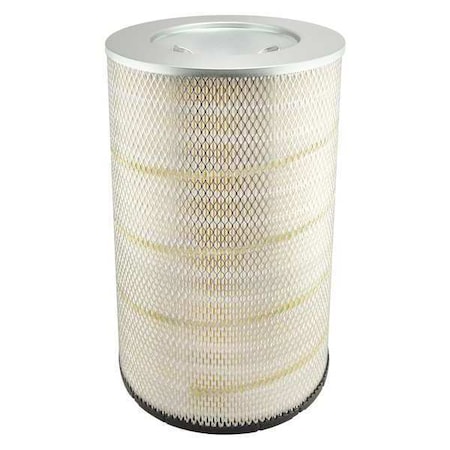
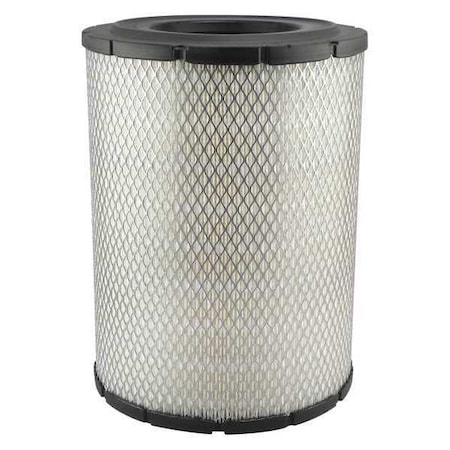
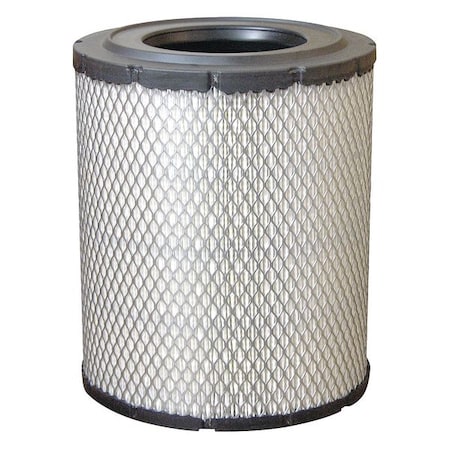
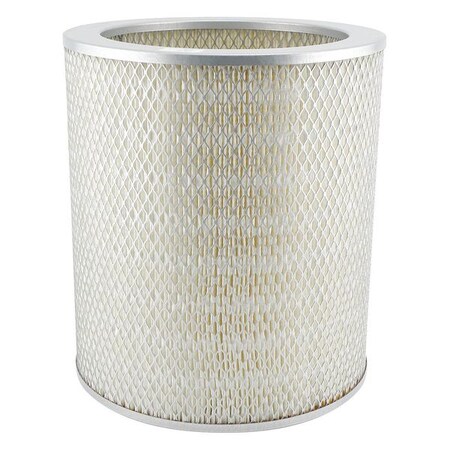
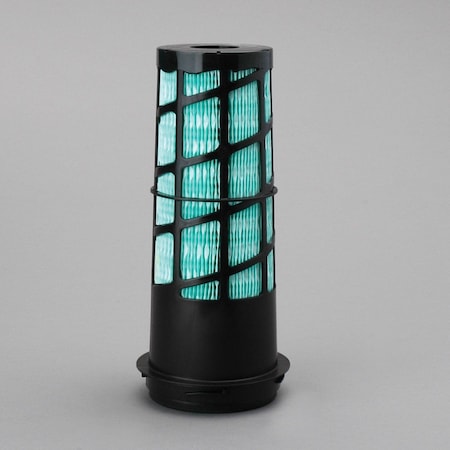
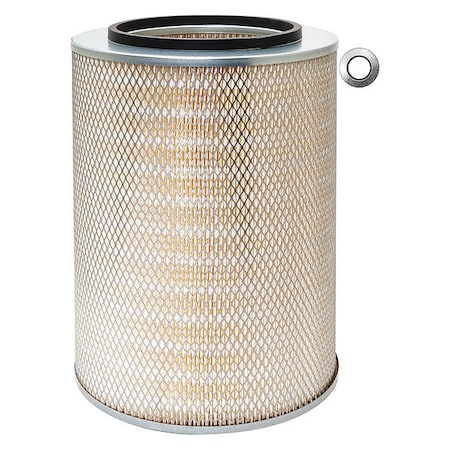
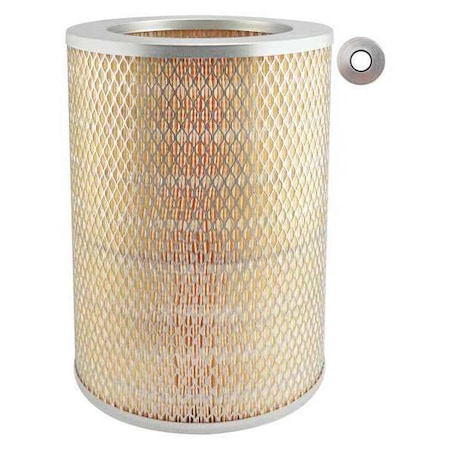
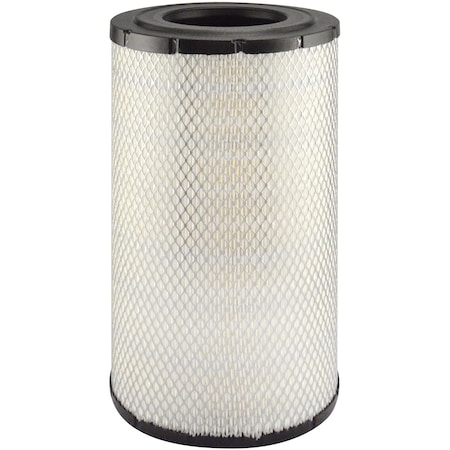
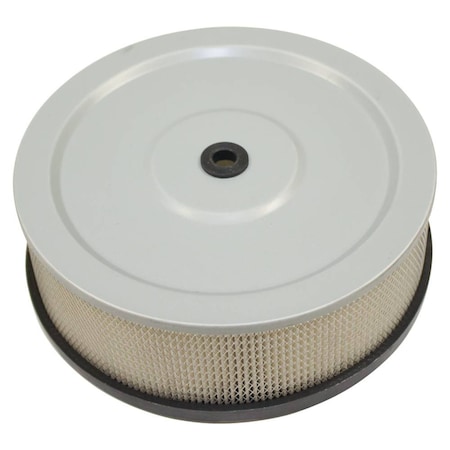
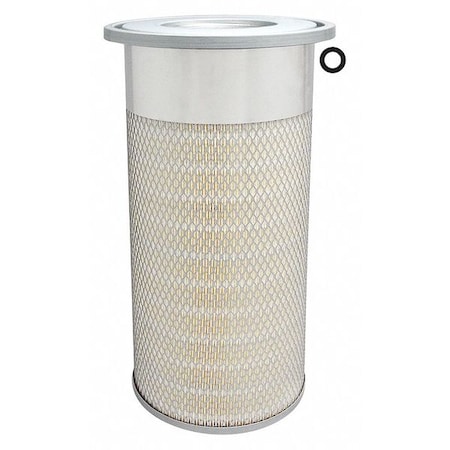
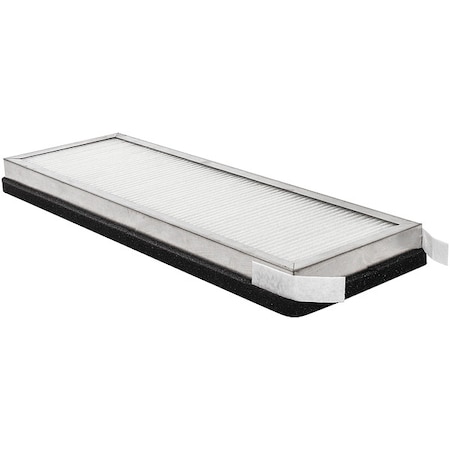
Automotive Engine Air Filters are an essential component of any motor vehicle. They act as a barrier between the engine and the outside environment, trapping dirt, dust, and other contaminants that can damage or reduce the performance of your engine.
Types of Air Filters:
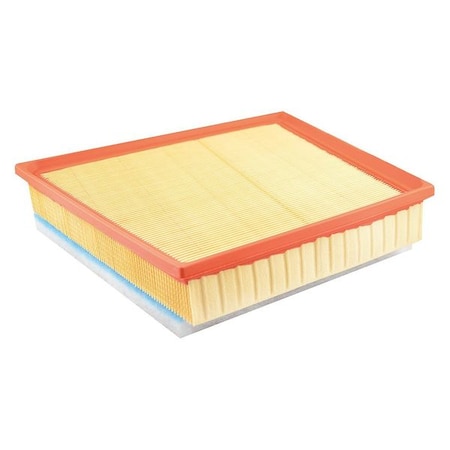
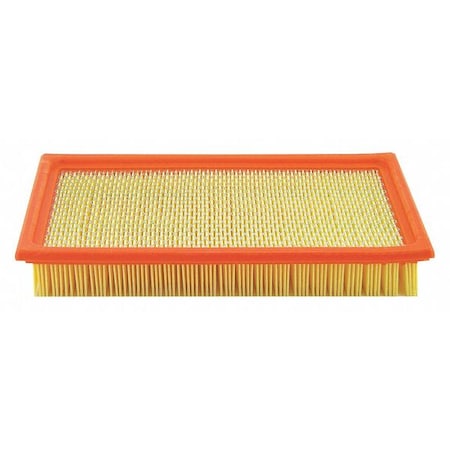
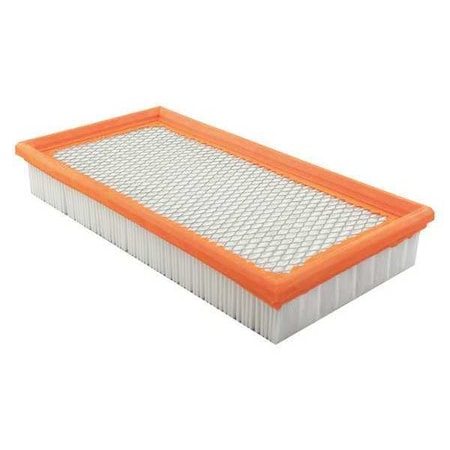
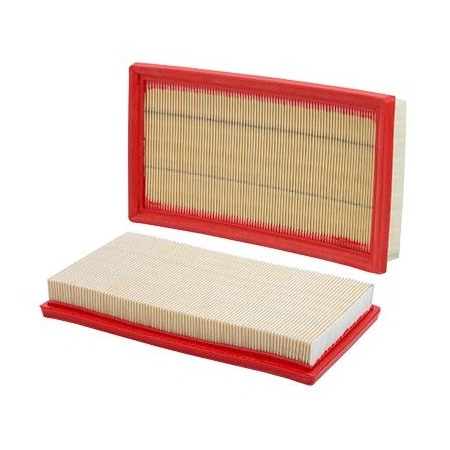
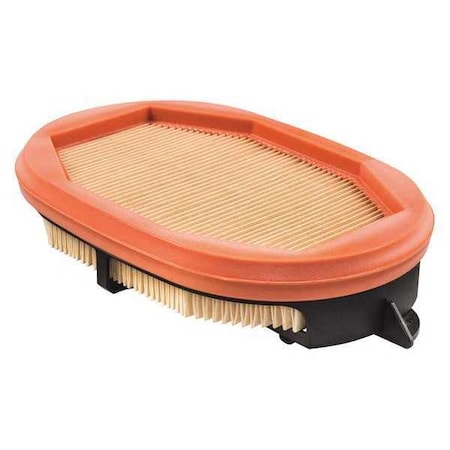
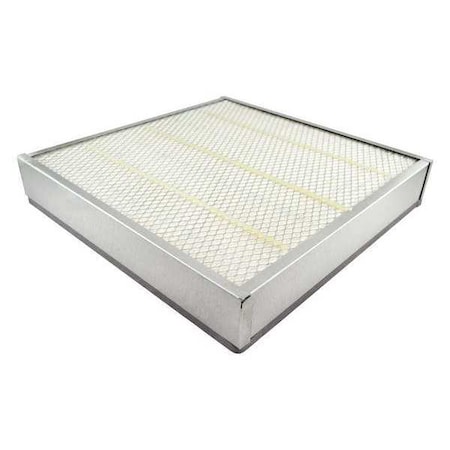
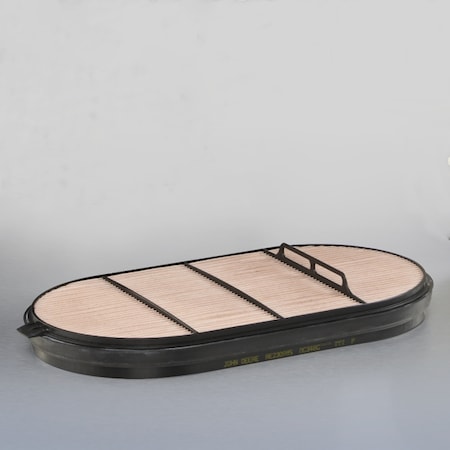
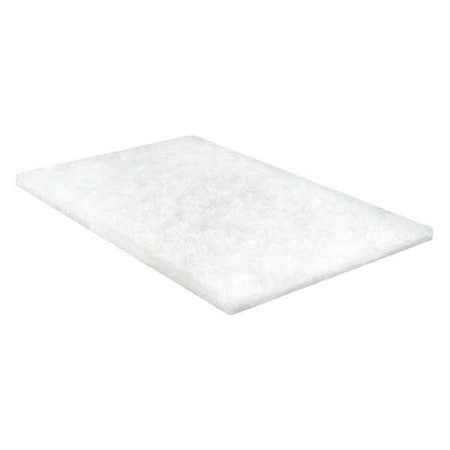
Panel Air Filters: These flat, rectangular filters are the most common type. They're designed to fit snugly into a specific housing in your vehicle's engine compartment, effectively capturing dust, dirt, and other contaminants before they can enter the engine.
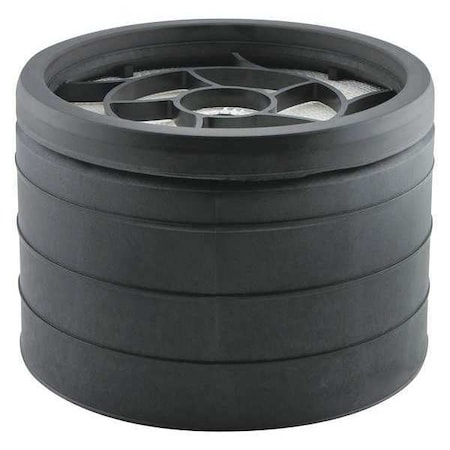
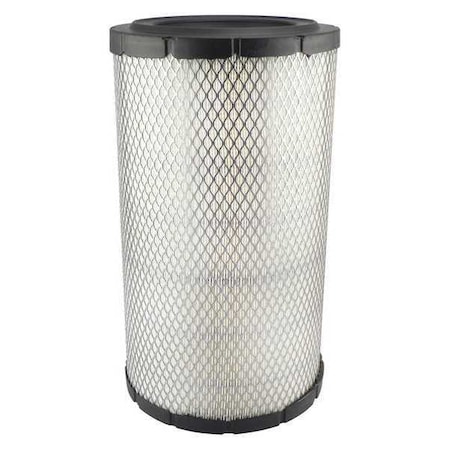
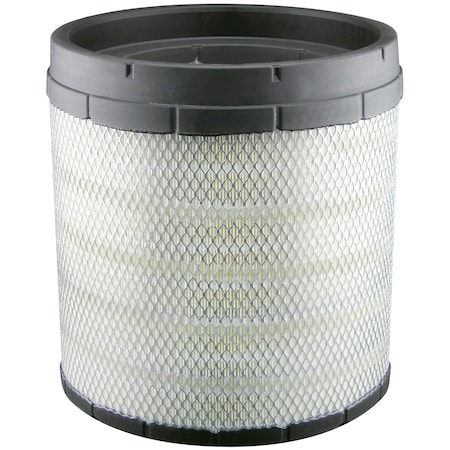
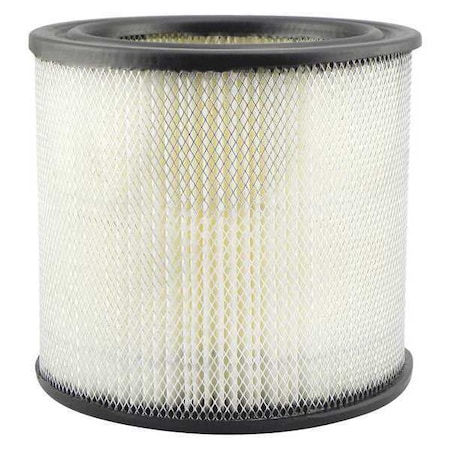
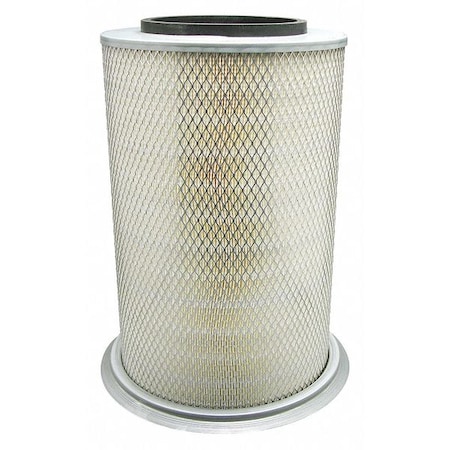
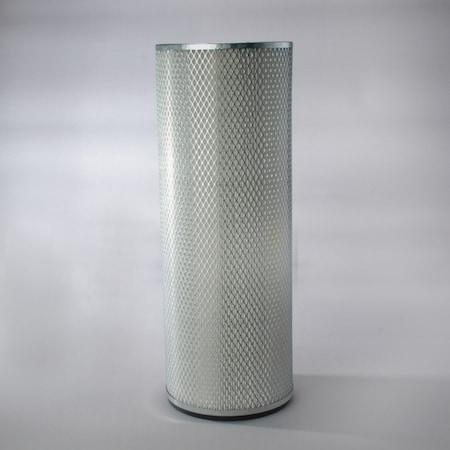
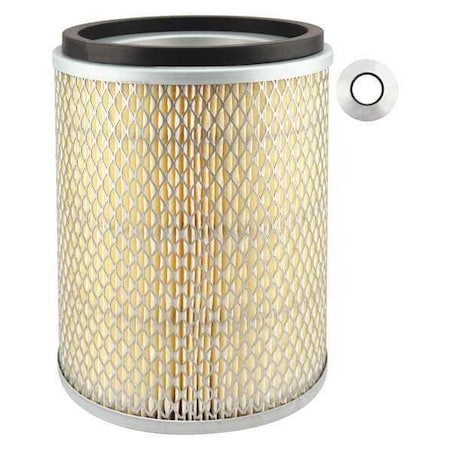
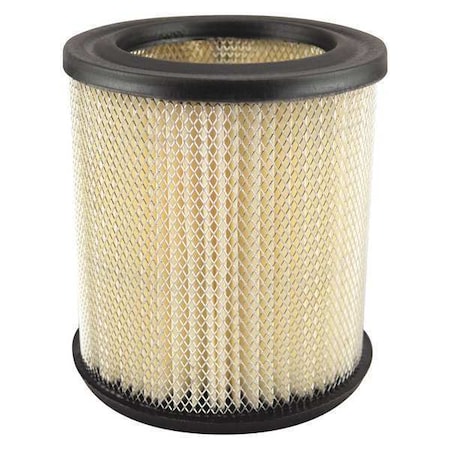
Round Air Filters: Ideal for certain vehicle models, round air filters offer efficient filtration in a compact design. They're often found in performance vehicles and are known for their durability and reliability.
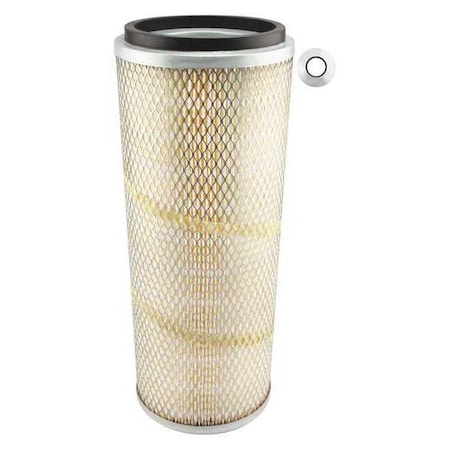
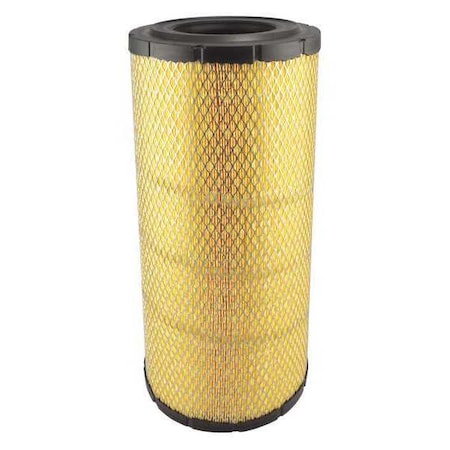
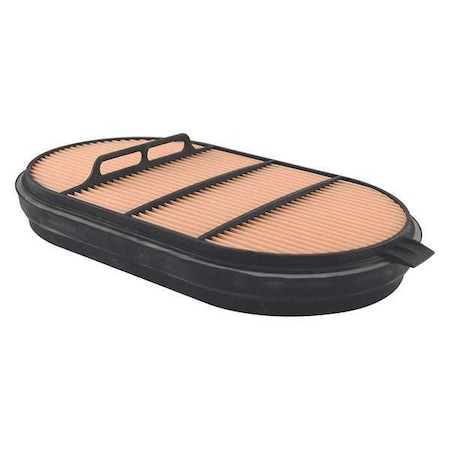
Radial Air Filters: Featuring a unique radial design, these filters provide excellent airflow while maintaining superior filtration capabilities. They're engineered to maximize surface area, ensuring efficient trapping of even the smallest particles.
Frequently Asked Questions
Automotive engine air filters play a crucial role in ensuring the efficient operation of an engine. They act as a barrier, trapping harmful contaminants, dirt, dust, and debris from entering the engine through the air intake system. By filtering these impurities, air filters safeguard the engine's internal components from damage and premature wear.
The recommended replacement interval for engine air filters varies depending on several factors, including driving conditions, vehicle type, and environmental factors. Generally, it is advisable to consult your vehicle's owner's manual for specific guidance on replacement frequency. However, as a rule of thumb, it is recommended to replace your engine air filter every 12,000 to 15,000 miles or once a year, whichever comes first, to maintain optimal engine performance and longevity.
Neglecting the timely replacement of engine air filters can have detrimental consequences for your vehicle's performance and overall health. A clogged or dirty air filter restricts the flow of clean air into the engine, leading to a lean air-fuel mixture. This can result in reduced engine power, poor fuel economy, and increased emissions. Additionally, excessive dirt and debris accumulation can cause premature wear and damage to engine components, potentially leading to costly repairs in the long run.
Selecting the appropriate engine air filter for your vehicle is essential for ensuring optimal performance and protection. The best way to determine the correct filter is to refer to your vehicle's owner's manual, which typically specifies the recommended filter type and size. Alternatively, you can use our website's vehicle selector tool or consult with a knowledgeable automotive professional who can guide you in choosing the ideal engine air filter for your specific vehicle make and model.