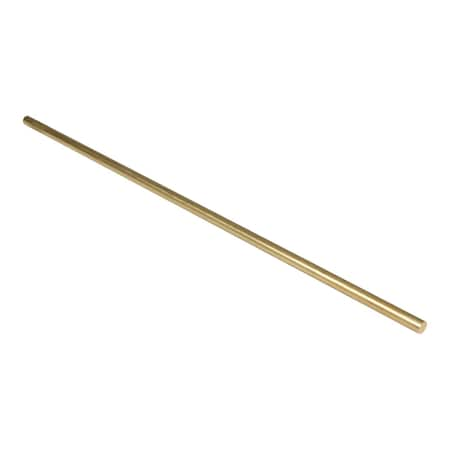
As a versatile and malleable alloy of copper and zinc, Brass Rods are an integral component across various industries. They come in multiple sizes to accommodate diverse project needs, ranging from hobbyist endeavors to large-scale industrial fabrications. These rods are typically crafted from 360 brass, which includes a touch of lead for added strength. The manufacturing process involves heating the raw materials until molten before pouring them into molds to form solid bars or rods. Brass Rods find extensive usage in numerous applications such as plumbing fixtures, automotive parts, marine hardware, and electrical components due to their adaptability and robustness.
Frequently Asked Questions
Brass rods are principally comprised of an alloy of copper and zinc. Particular grades may have additives like lead, tin, or aluminum to modify specific properties.
Brass rods find numerous applications due to their excellent machinability, corrosion resistance, and electrical and thermal conductivity. They are commonly employed in industries like construction, electrical engineering, plumbing, and jewelry making, among others.
Brass rods are usually available in a variety of standard diameters and lengths to suit different requirements. The precise dimensions and tolerances may vary depending on the specific manufacturer, grade, and application.
Brass rods are categorized into different grades based on their composition and properties. Common grades include C260, C360, and C485, each exhibiting unique characteristics in terms of strength, ductility, and corrosion resistance for specific applications.