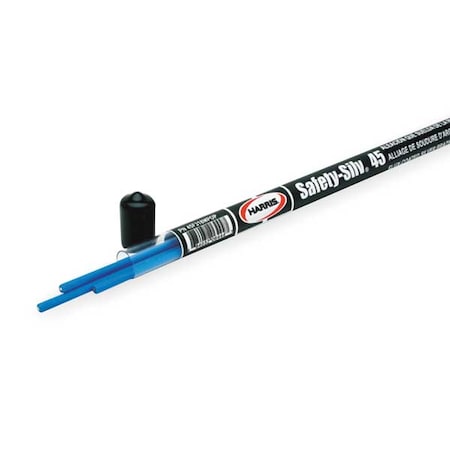
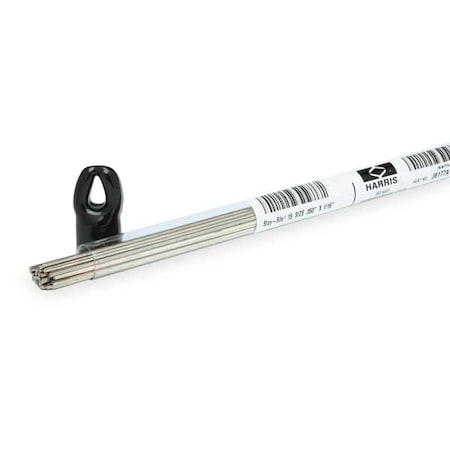
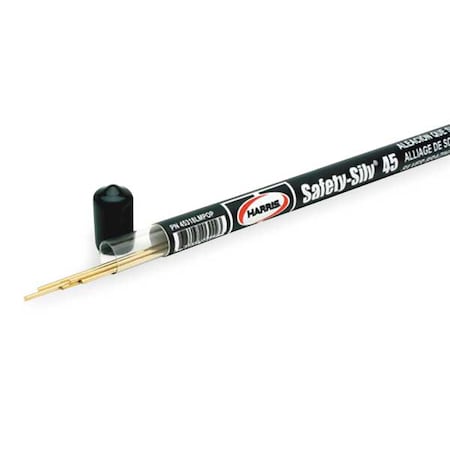
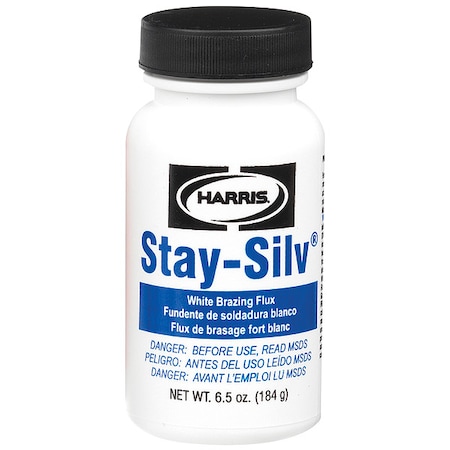
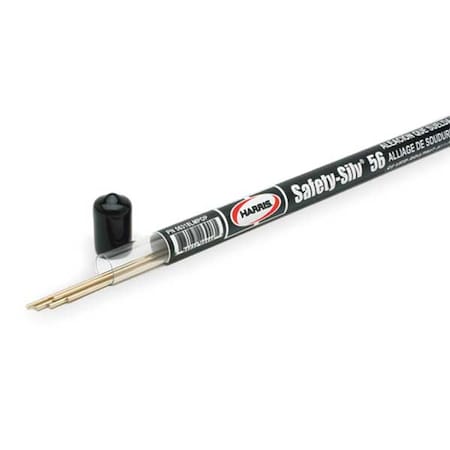
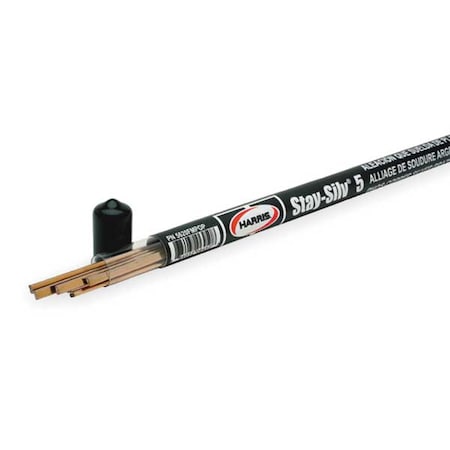
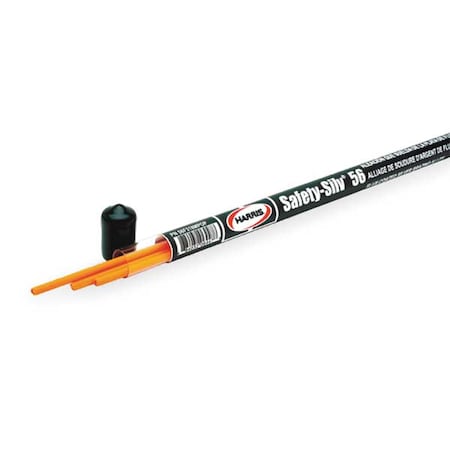
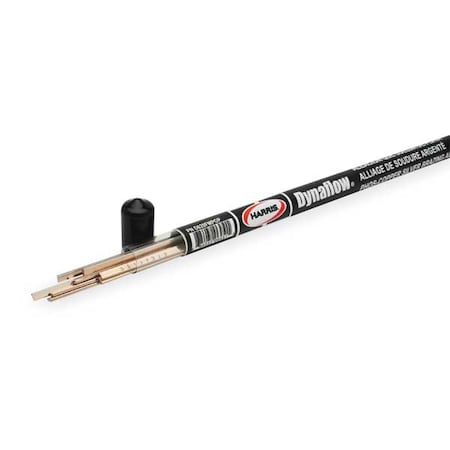
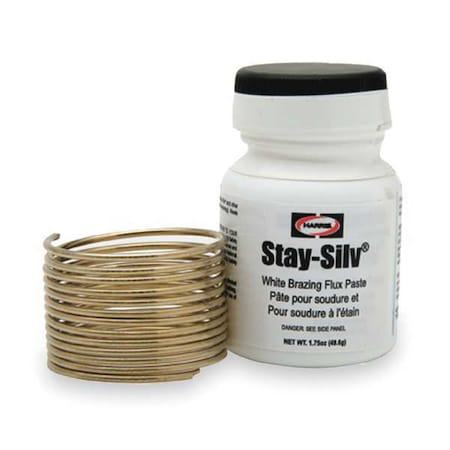
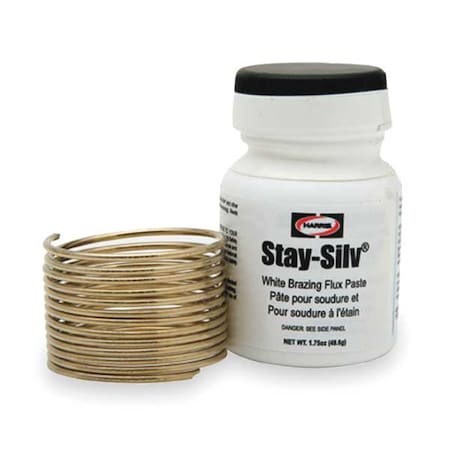
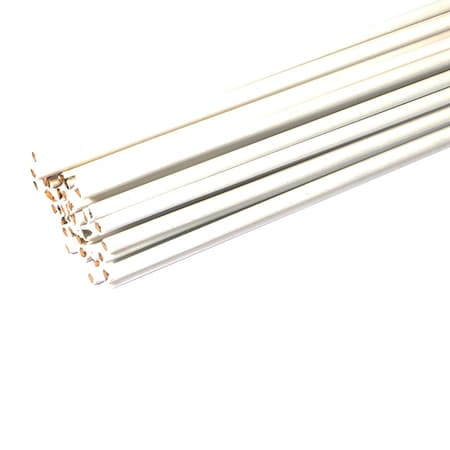
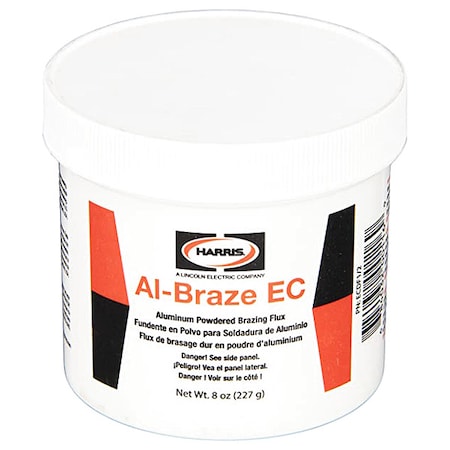
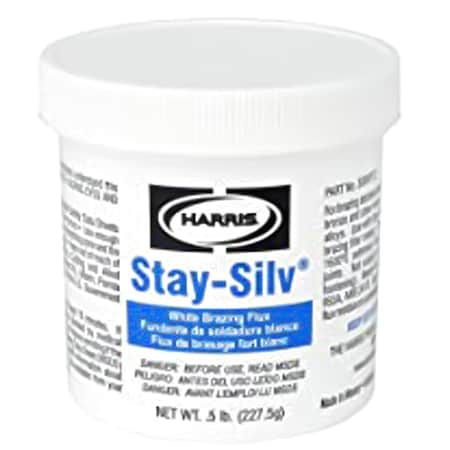
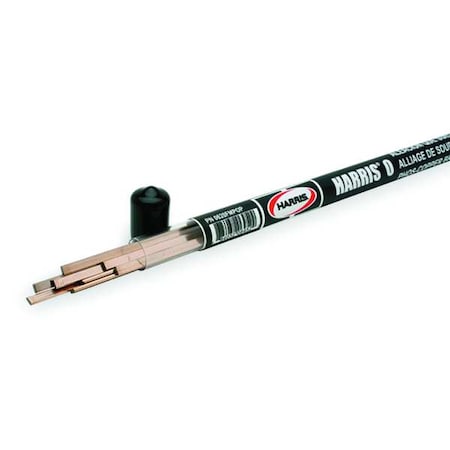
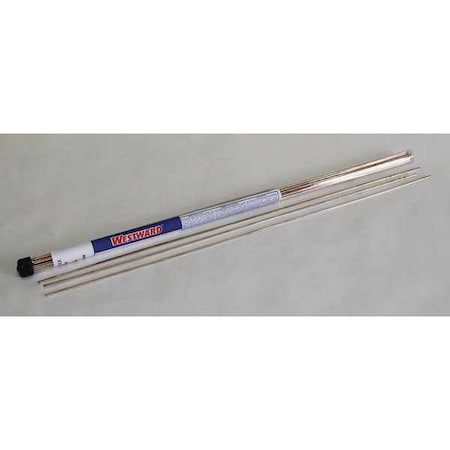
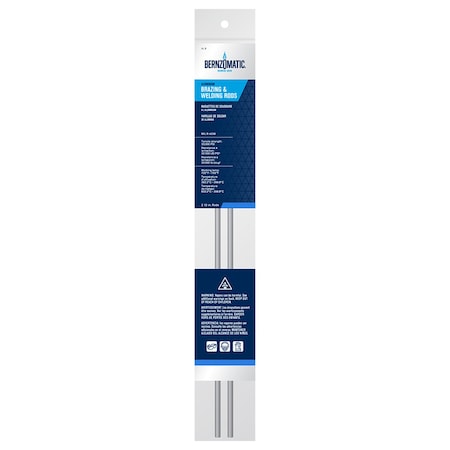
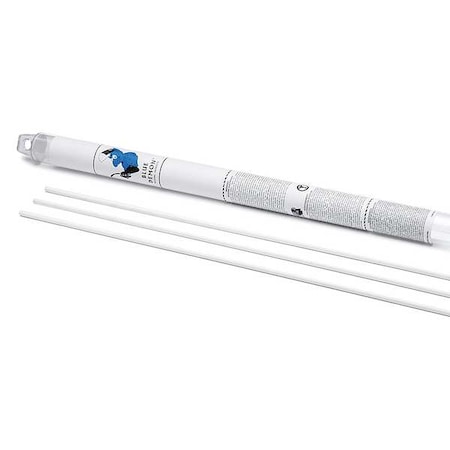
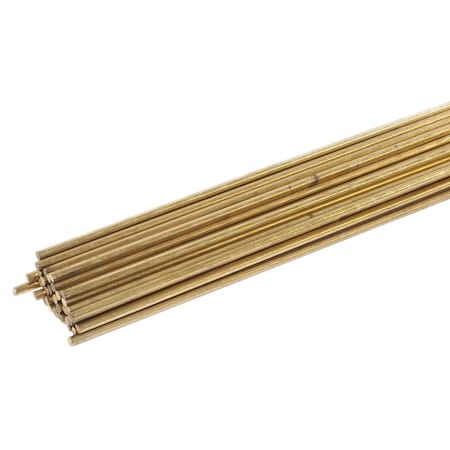
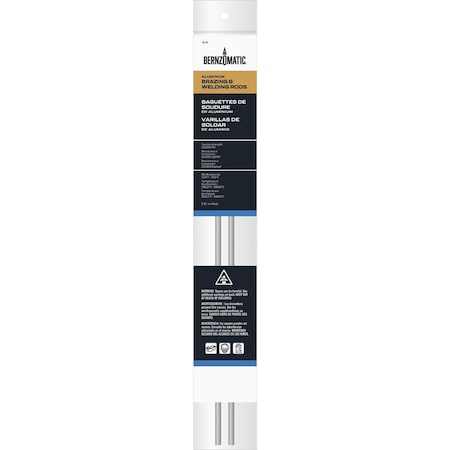
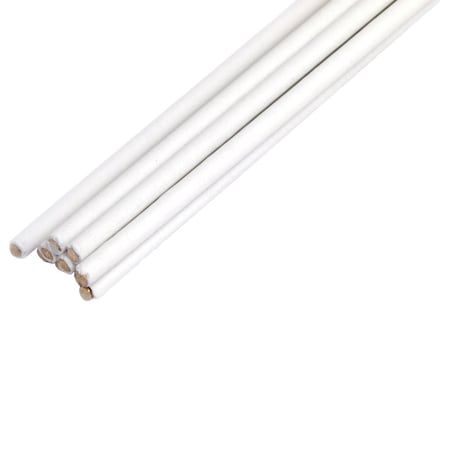
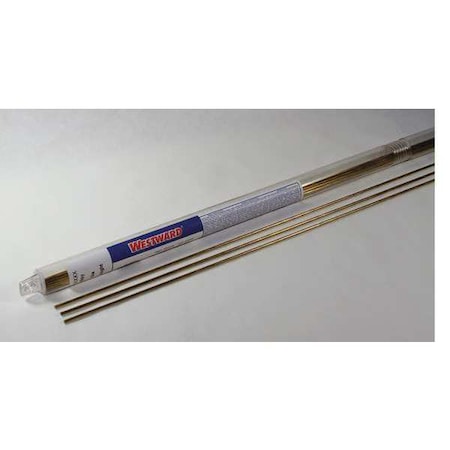
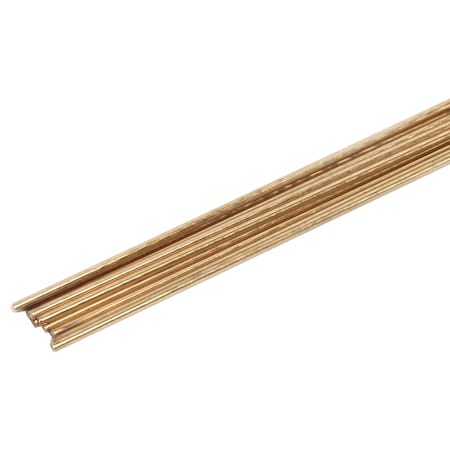
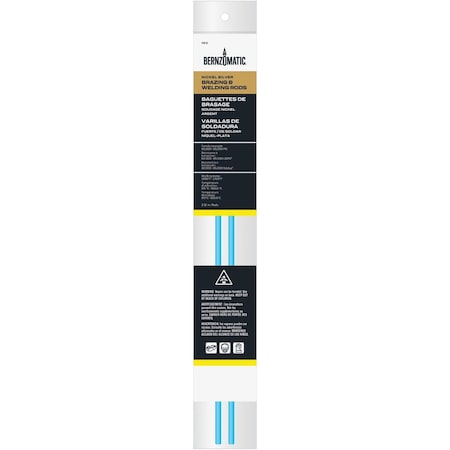
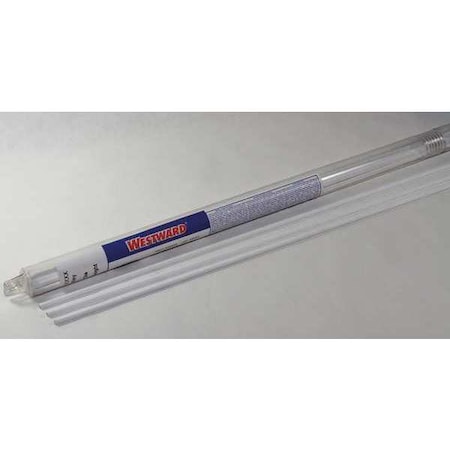
Braze welding uses brass or bronze filler to unite pieces of steel. Similar to welding, this process also joins pieces of metals by melting filler metal. After it melts, it flows in between the metals pieces which hardens to create the joint. We have a selection of brazing filler metal, which can be called a brazing alloy. These brazing sticks have different dimensions and come in packs of various quantities. If a brazing rod is not quite the metal filler you need for your application? We have arc welding rods and tig welding rods.
Frequently Asked Questions
Brazing alloys utilize higher melting temperatures than soldering alloys, requiring fluxes to prevent oxidation. Their higher melting temperatures enable stronger bonds for challenging applications.
Brazing alloys come in various types, each with unique properties. Silver-based alloys provide high strength and corrosion resistance, while copper-based alloys excel in electrical conductivity. Aluminum-based alloys are lightweight and offer exceptional strength-to-weight ratios.
Brazing alloys require careful handling for safety. Proper ventilation is essential to prevent inhalation of fumes. Additionally, protective gear, such as gloves and eye protection, must always be worn to avoid burns or eye damage.
Brazing alloys find applications in diverse industries. They are employed in joining dissimilar metals, repairing damaged components, and creating intricate metal structures. Their high-strength bonds make them ideal for applications demanding durability and reliability.