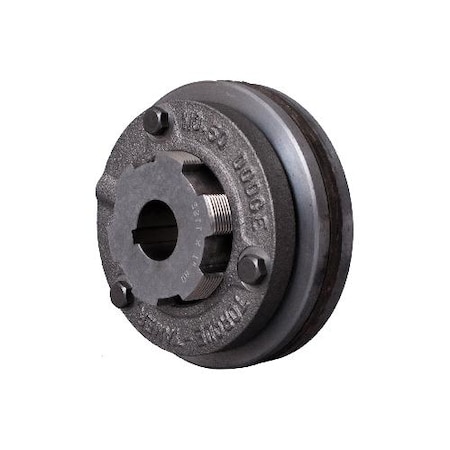
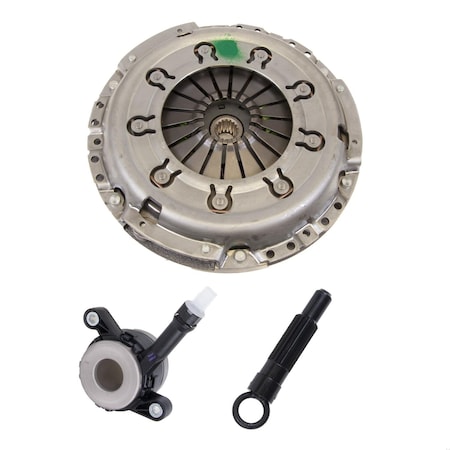
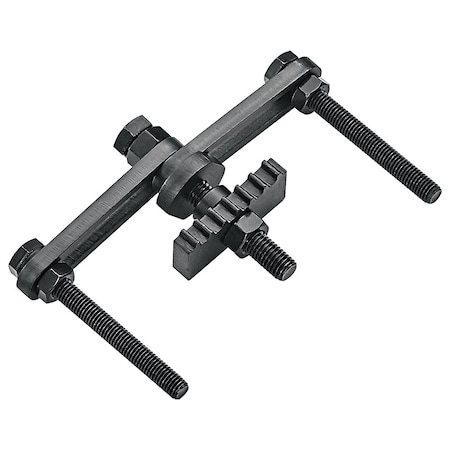
Small and medium-sized businesses have access to a range of clutch systems, including mechanical, hydraulic, and centrifugal. Mechanical clutches rely on direct mechanical action, while hydraulic clutches use pressurized fluid to engage and disengage the clutch. Centrifugal clutches, on the other hand, use centrifugal force to engage the clutch as the engine speed increases.
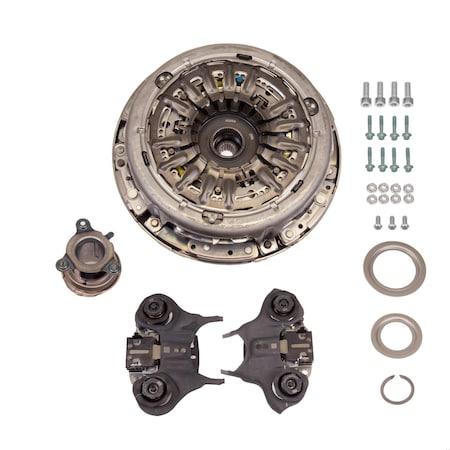
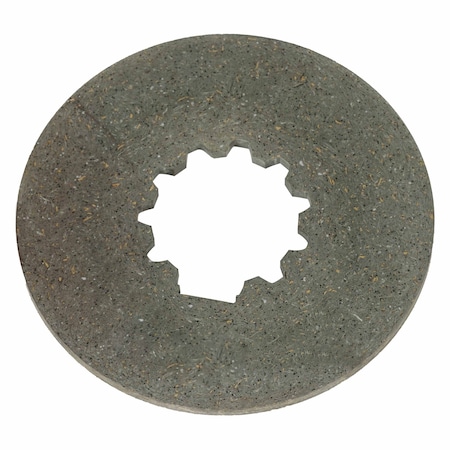
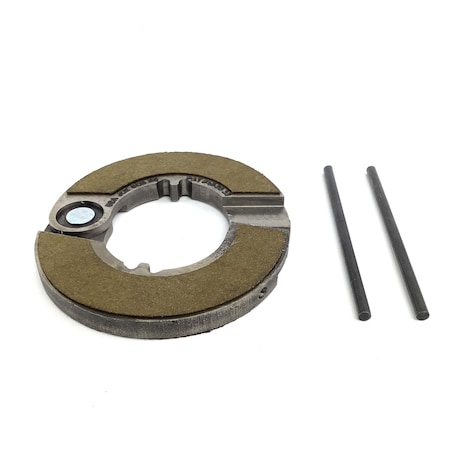
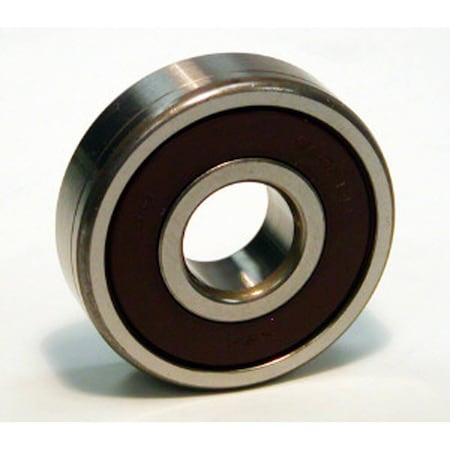
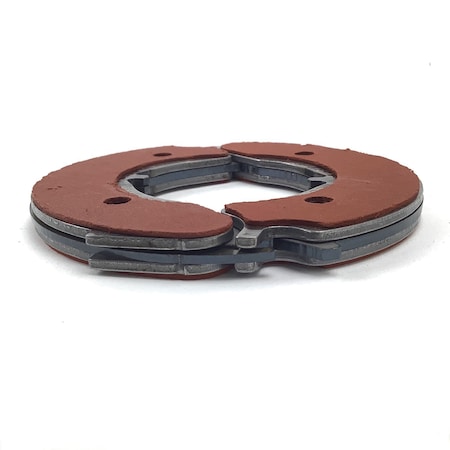
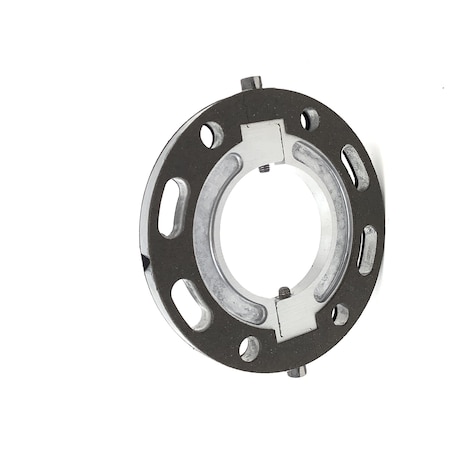
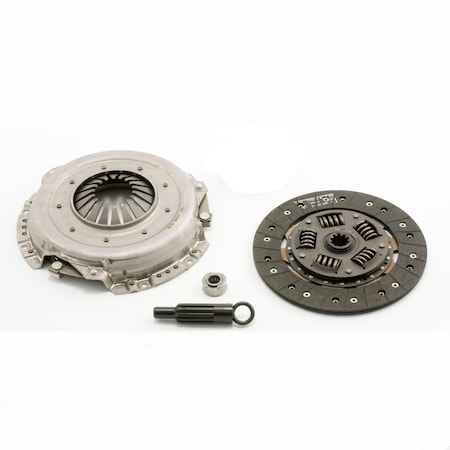
The frequency of inspection and replacement of clutch parts depends on factors such as the type of clutch system, operating conditions, and overall maintenance practices. As a general guideline, it's recommended to have a qualified mechanic inspect the clutch system annually. Clutch components, like pressure plates and release bearings, may need to be replaced periodically to ensure smooth and reliable clutch operation.
Several signs may indicate clutch problems or impending failure. These include difficulty engaging or disengaging the clutch, excessive clutch slippage, chattering or grinding noises during clutch operation, and a burning smell coming from the clutch area. If you experience any of these symptoms, it's crucial to seek professional assistance promptly to prevent further damage and ensure the safety of your vehicle.
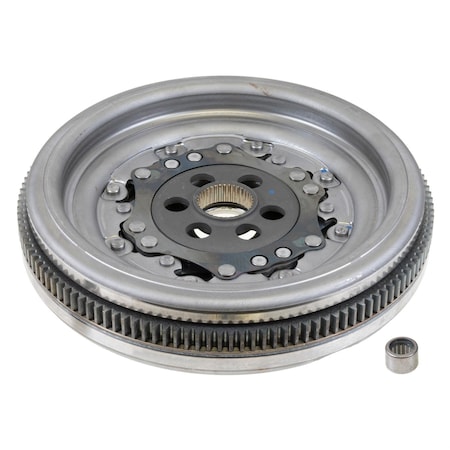
The repairability of clutch parts and components depends on the extent of the damage or wear. In some cases, repairing certain components like clutch plates or release bearings may be possible. However, if critical components like the pressure plate or flywheel are severely damaged, replacement might be necessary to restore optimal clutch performance and reliability.