
Coated Gloves (4,500+ items) - Page 22
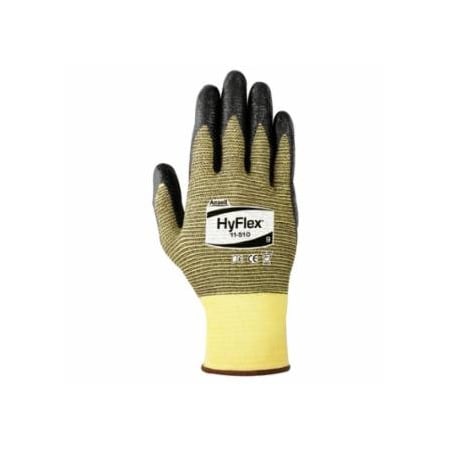
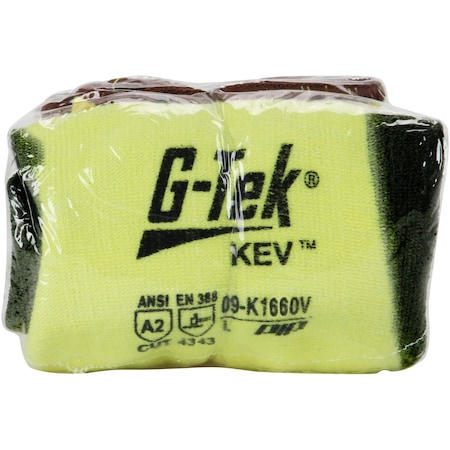
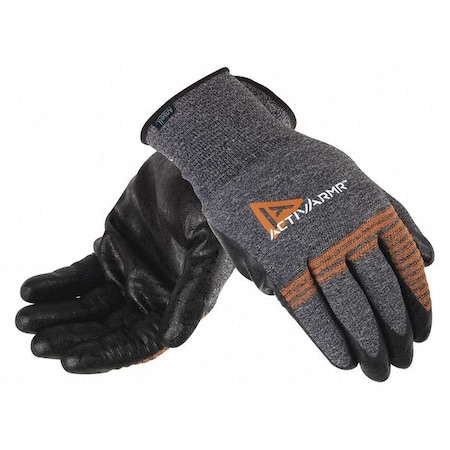
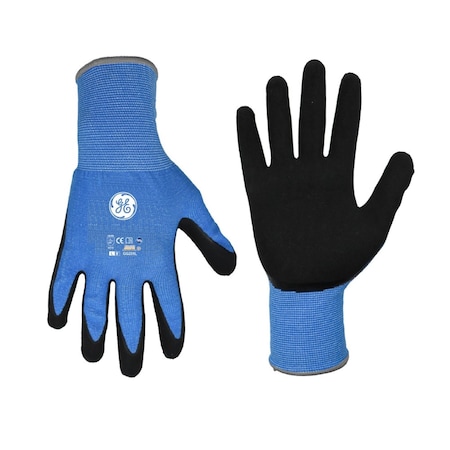
Seamless Knit A2 Kevlar Glove w/Double-Dip Nitrile Coated MicroSurface Grip on Palm&Fingers, Vend-Re
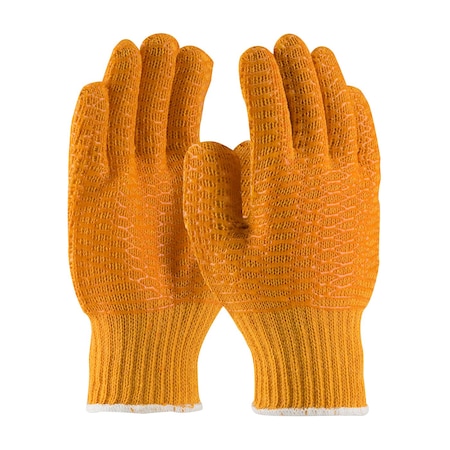
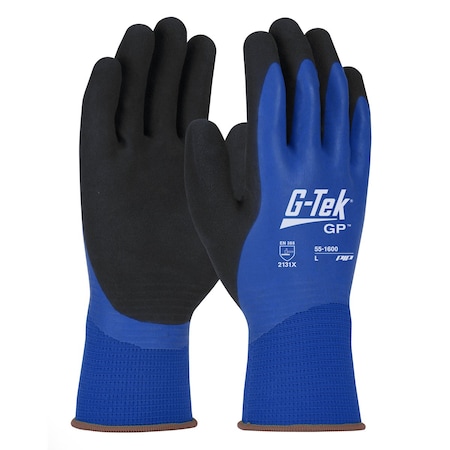
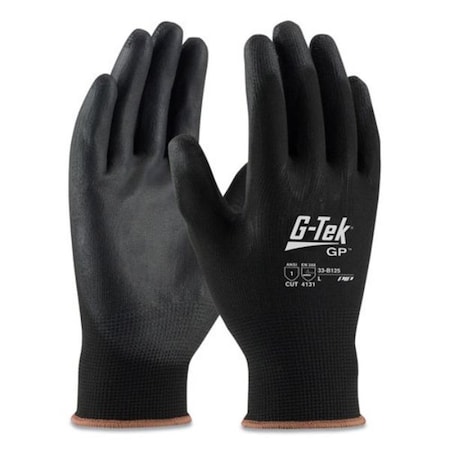
Seamless Knit Polyester Glove with Double-Sided PVC Honeycomb Criss-Cross Grip, Knit Wrist, 12PK
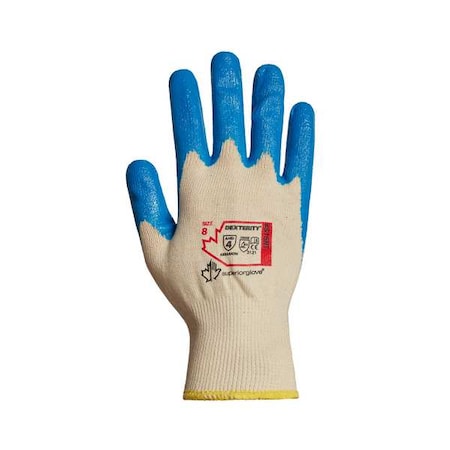
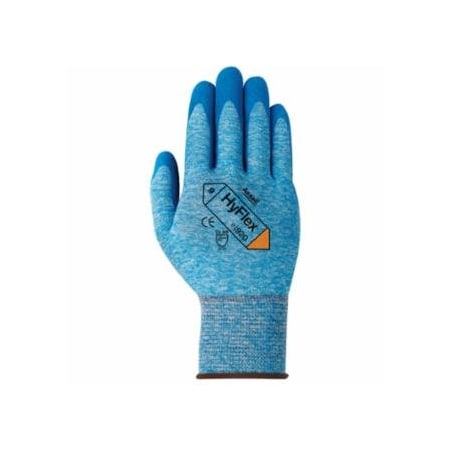
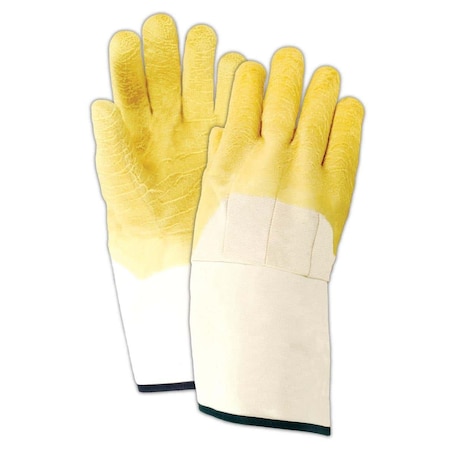
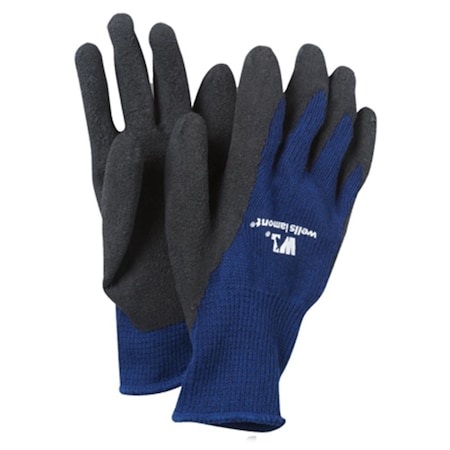
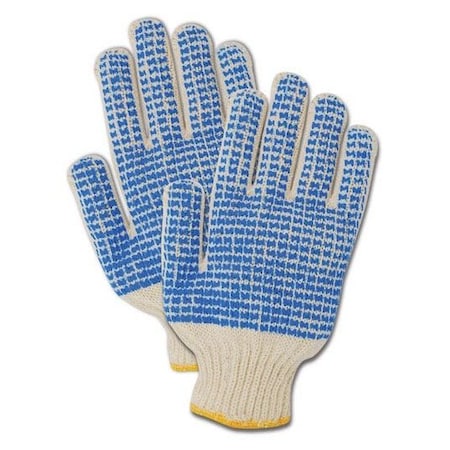

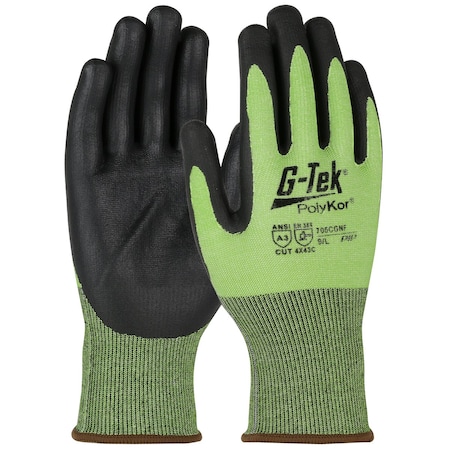
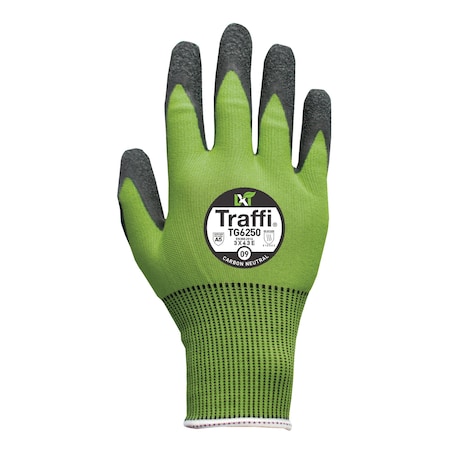
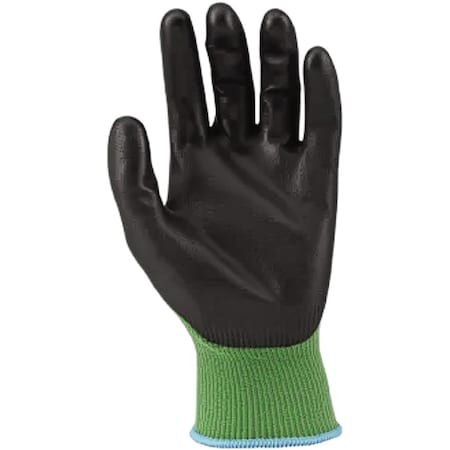
Hi-Vis Seamless Knit A3 PolyKor Blended Glove with Foam Nitrile Coated Grip on Palm & Fingers, 12PK
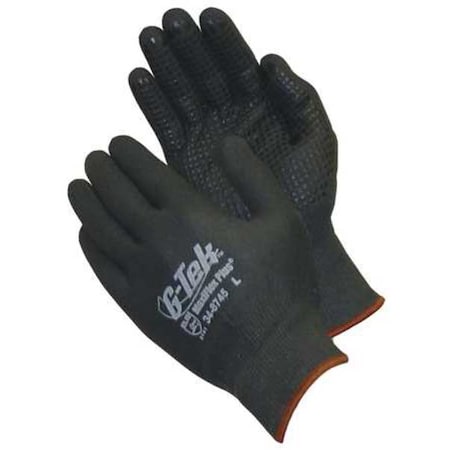
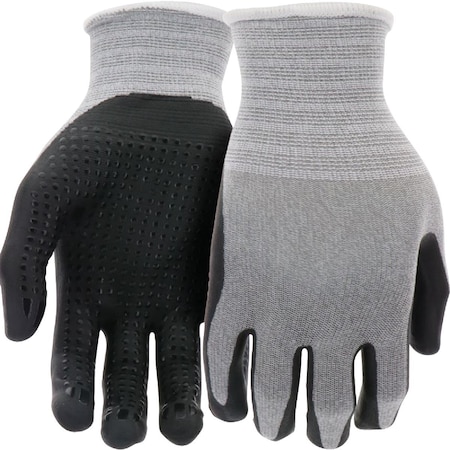
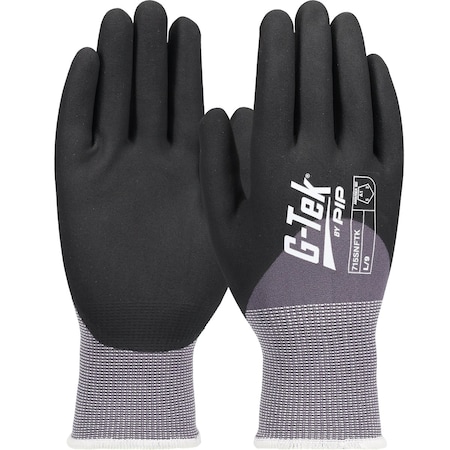
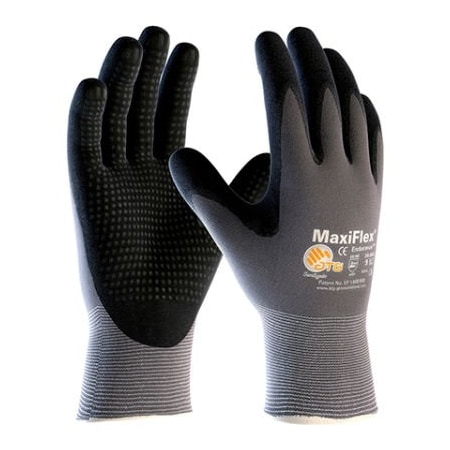
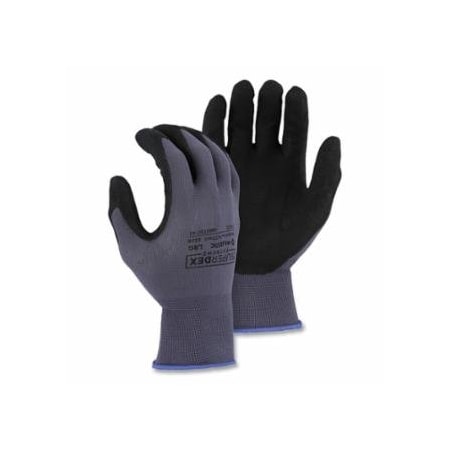
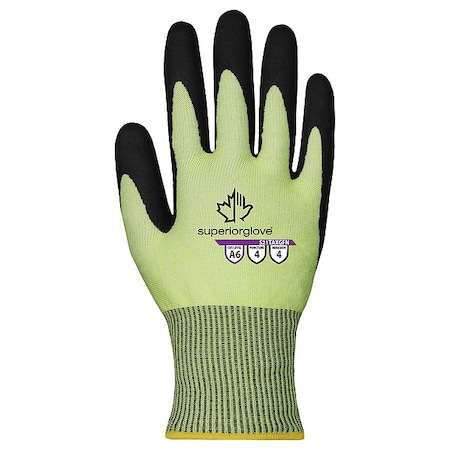
String Knit, Nitrile, Not Applicable, Palm, 4 Abrasion Level, High Visibility Green, 2XL 1 PR
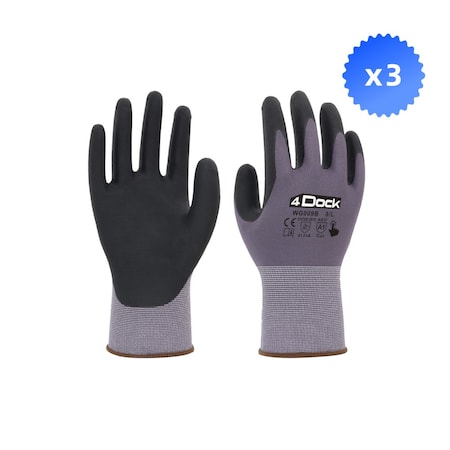
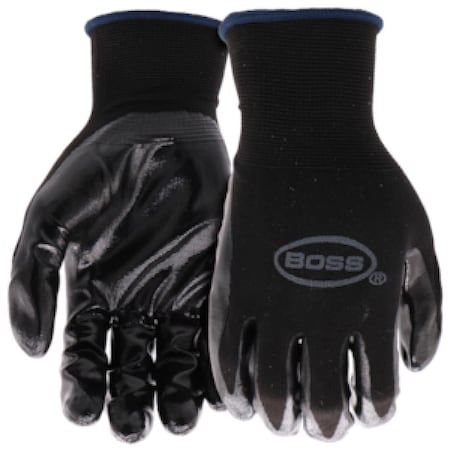
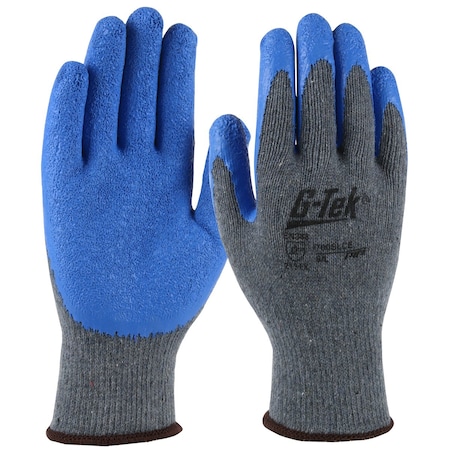
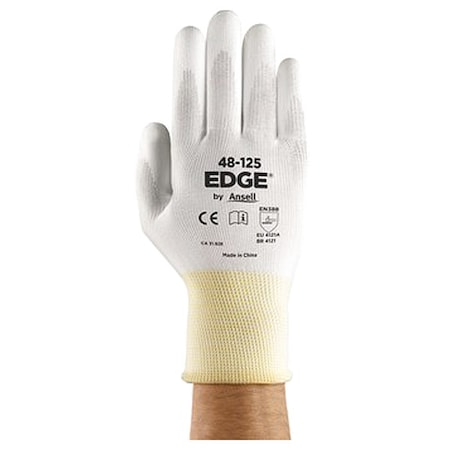
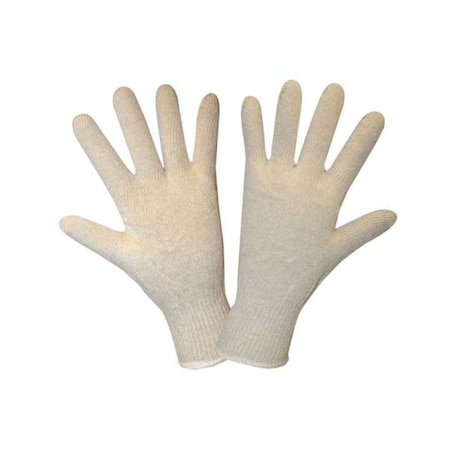
Economy Light Weight Seamless Knit Polyester Glove w/Latex Coated Crinkle Grip on Palm&Finger, 12PK

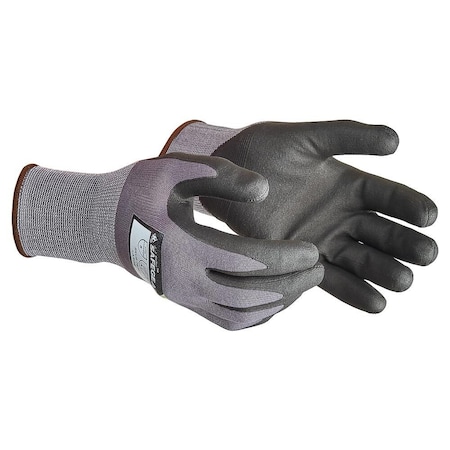
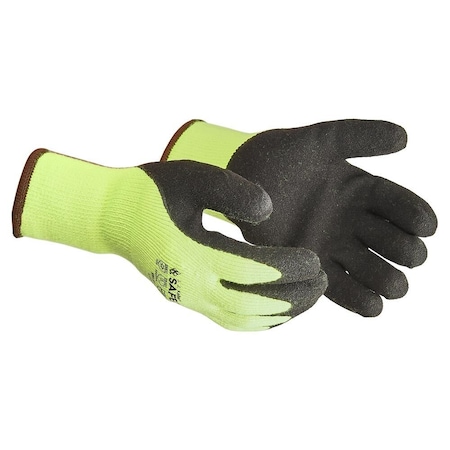
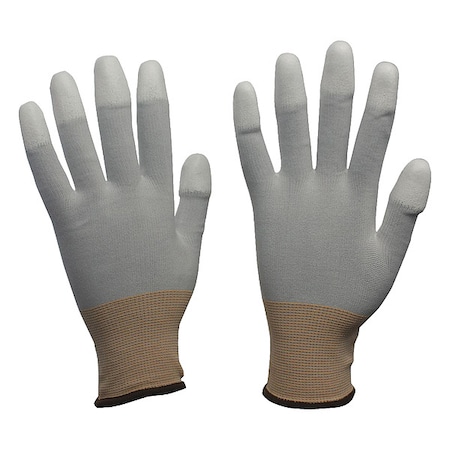
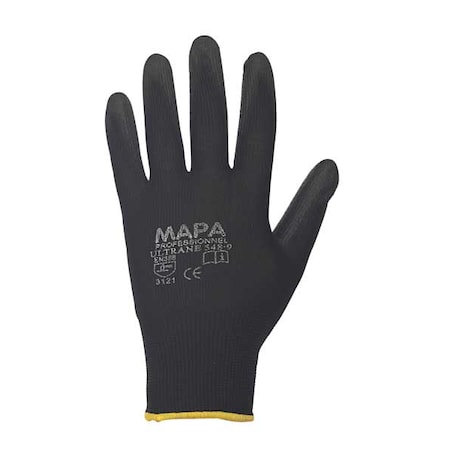
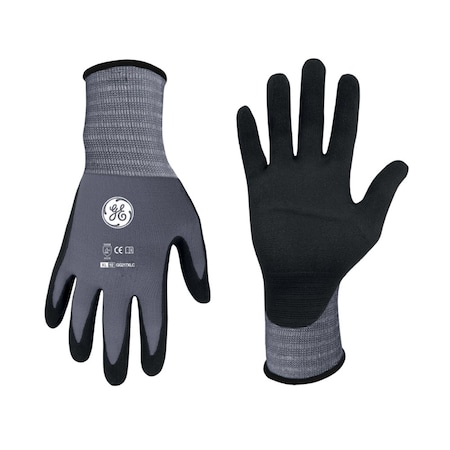
Seamless Knit A3 Engineered Yarn Glove w/PU Coated Grip on Palm&Fingers, Touchscreen, ESD Safe

About Coated Gloves
Coated gloves are an essential piece of safety equipment for any job involving hazardous materials or conditions. They provide superior grip, are cut-resistant, and offer more protection than regular gloves. Read more and explore the different types of coated gloves and how to choose the right size.
Types of Coated Gloves
Several coated gloves are available, each with its specific benefits. These include nitrile-coated gloves, latex, polyurethane, PVC, and palm-coated.
Nitrile Coated Gloves:
Nitrile-coated gloves are resistant to oil, water, and many chemicals, making them ideal for industrial use. They are also puncture-resistant and highly flexible for improved comfort.
Latex Coated Gloves:
Latex-coated gloves are also highly elastic and can be used for various tasks. They are generally more affordable than other types of coated gloves.
Polyurethane Coated Gloves:
Polyurethane-coated gloves provide excellent grip and dexterity. They are also highly breathable for improved comfort. They are also resistant to oil, water, and many chemicals.
PVC Coated Gloves:
PVC-coated gloves are highly durable and protect against cuts, abrasions, and punctures.
Palm Coated Gloves:
Palm-coated gloves provide excellent grip, dexterity, and superior protection against cuts and abrasions. They are also highly breathable for improved comfort.
Choosing the Right Coated Glove Size
Choosing the right coated glove size is essential for optimal performance and protection. This section will guide you through how to accurately measure your dominant hand and provide tips for selecting the right glove size for your needs.
- Measure the circumference of your hand at the knuckles, excluding the thumb.
- Compare your measurement to the glove size chart you are considering.
- If you are between sizes, choose the larger size for a better fit.
- Consider the type of work you will be doing and the level of dexterity you need.
- Choose a glove with a snug fit that allows you to move your fingers freely.
- Make sure the glove is long enough to cover your wrist.
Coated gloves are an essential piece of safety equipment for anyone working with hazardous materials or conditions. By understanding the different types of gloves available, choosing the right size, and following proper safety protocols, you can ensure that you stay safe and get the job done right.