Cryogenic Equipment (582 items) - Page 17
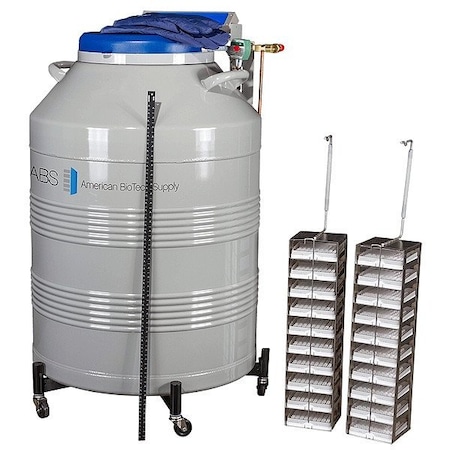
CryogenicStorage, 165 L, 39"H, 0.84 L, 65 lb
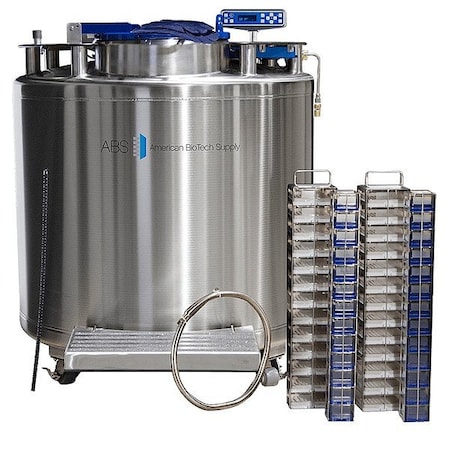
CryoStorage, 1269L, 4-3/8'H, 15L, 1550lb
Cryogenic Protection Safety Kit
Cryoelite, Strl, 5mL, FS, Nat Cap, PP, PK500
Iso-Chill Flipper Rack, 0 Degrees, White
Cryo Coders For Skirted Base Vial, PK 100
About Cryogenic Equipment
Cryogenic Equipment are specialized tools and machines used to contain, store, and transport extremely cold temperatures. They can be used in a variety of industries such as medical, food processing, and manufacturing.
Types of Cryogenic Equipment
The types of cryogenic equipment available to buy vary greatly depending on the intended use. Liquid nitrogen tanks are commonly used for long-term storage of extremely cold materials or samples. Other cryogenic equipment includes dewars, freezers, and insulated containers that can be used for transporting sensitive materials.
How Cryogenic Equipment are Made
Cryogenic equipment is typically made from stainless steel with thick insulation layers to keep the contents inside at extreme low temperatures. These pieces of equipment also require additional components such as pressure valves and gauges to maintain safe levels during operation.
Industries that use Cryogenic Equipment
Professionals in many different industries rely on cryogenic equipment for their daily operations. Scientists use these tools to store biological samples or chemicals at subzero temperatures. Food processors utilize cryogenics for preserving food products while maintaining freshness. Automotive manufacturers may also employ this technology when working with specific metals or plastics.
Find the Cryogenic Equipment You Need at Zoro
Looking for a specific item? Use our robust search tool to find it by name or keyword, or use our handy filters to narrow down our full assortment. You can also check out our whole selection of l3 along with other tools or supplies to ensure you have all you need to tackle the job, especially if you're taking on a DIY project for the first time.
Plus, when you shop at Zoro, you'll always enjoy competitive prices on tons of great brands you know and trust. We make the shopping experience as fast and seamless as possible with free shipping on orders over $50 for registered users, Net 30 payment terms for qualifying customers, and an unparalleled customer service experience.
Frequently Asked Questions
Cryogenic equipment is a specialized category of laboratory equipment specifically designed to work with extremely low temperatures, typically below -150 degrees Celsius (-238 degrees Fahrenheit). It is commonly used in scientific research, industrial processes, and medical applications, where precise temperature control and the ability to reach cryogenic temperatures are essential.
Cryogenic equipment encompasses a diverse range of devices that enable the generation, maintenance, and manipulation of cryogenic temperatures. Some common types include cryostats, which provide a stable and controlled low-temperature environment; cryocoolers, which actively remove heat to achieve low temperatures; and cryogenic refrigerators, which provide continuous cooling and temperature control. Additionally, specialized equipment like cryogenic storage tanks, cryogenic transfer lines, and cryogenic sample handling tools are essential components in various cryogenic applications.
Materials used in cryogenic equipment must possess specific properties to withstand the extreme temperatures and conditions involved. Common materials include stainless steel, which offers durability and corrosion resistance; copper and aluminum, which provide excellent thermal conductivity; and specialized alloys like Invar and Kovar, which exhibit minimal thermal expansion or contraction at cryogenic temperatures. Additionally, insulation materials such as multilayer insulation and vacuum jackets are crucial for minimizing heat transfer and maintaining cryogenic environments.
Working with cryogenic equipment demands strict adherence to safety protocols due to the potential hazards associated with extremely low temperatures. It is essential to wear appropriate protective gear, including cryogenic gloves, safety glasses, and lab coats. Proper handling techniques are crucial to prevent spills or contact with cryogenic liquids, which can cause severe burns or frostbite. Additionally, adequate ventilation is necessary to avoid the accumulation of hazardous gases released during certain cryogenic operations.