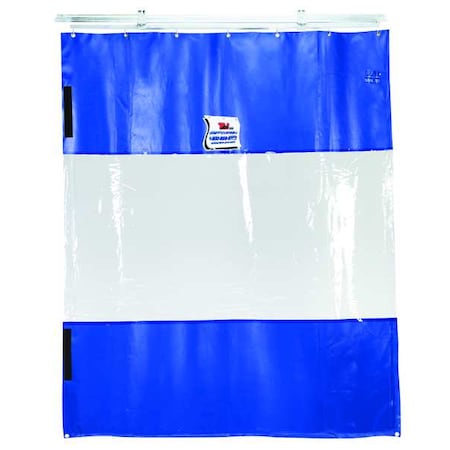
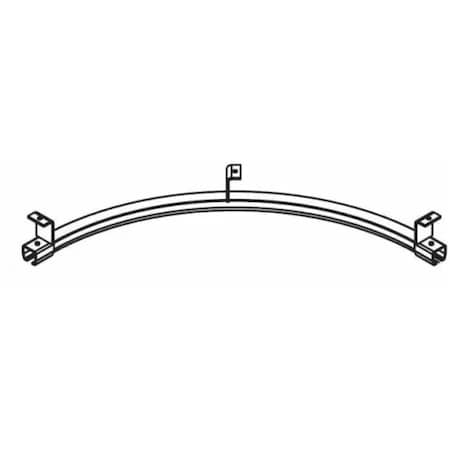
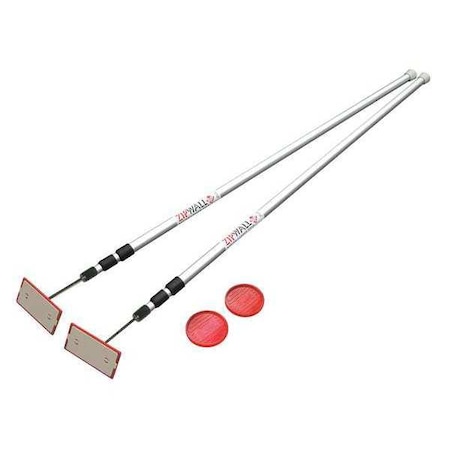
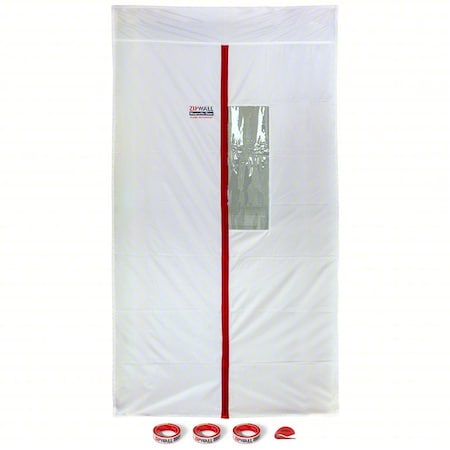
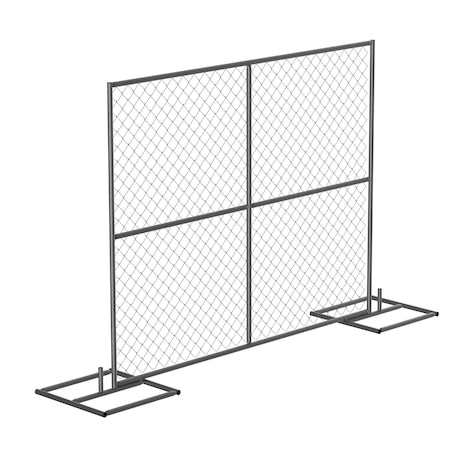
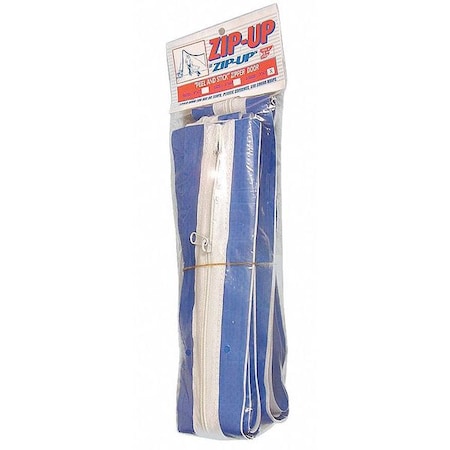
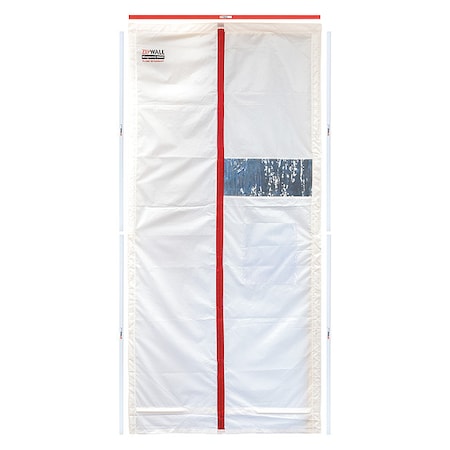
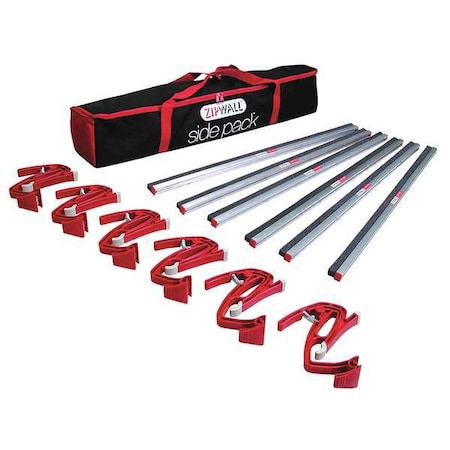
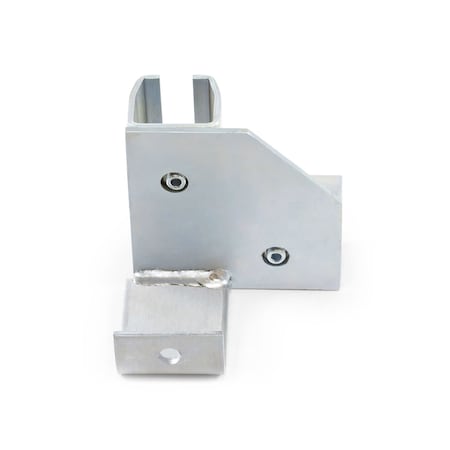
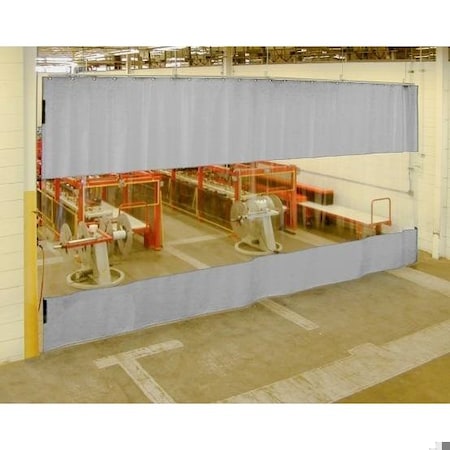
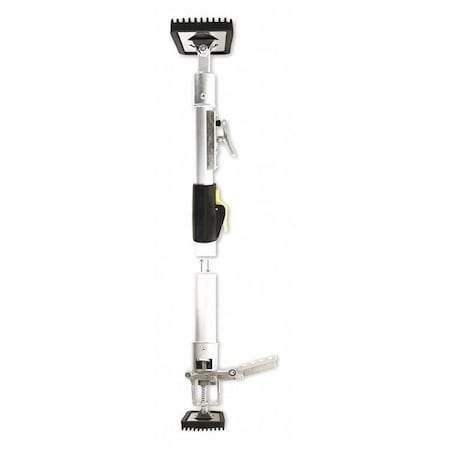
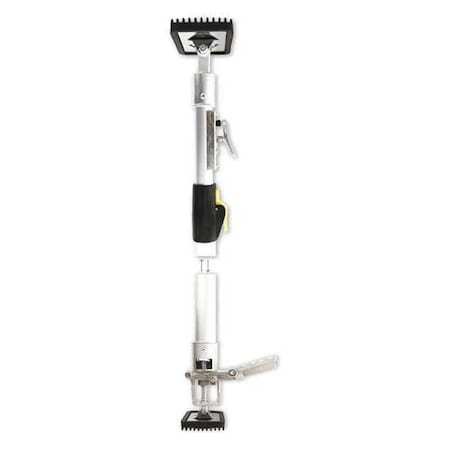
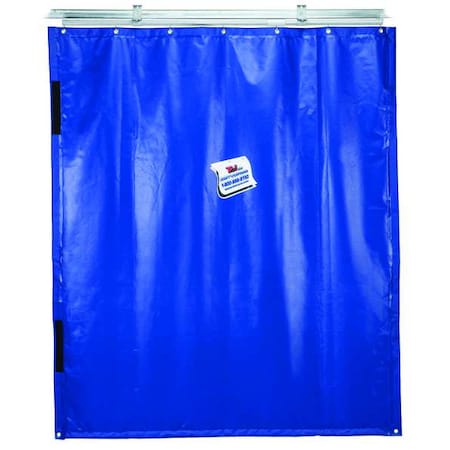
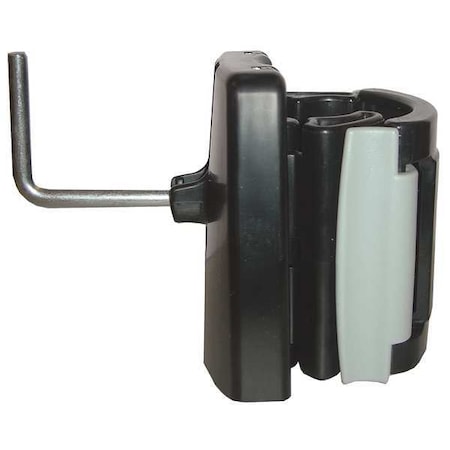
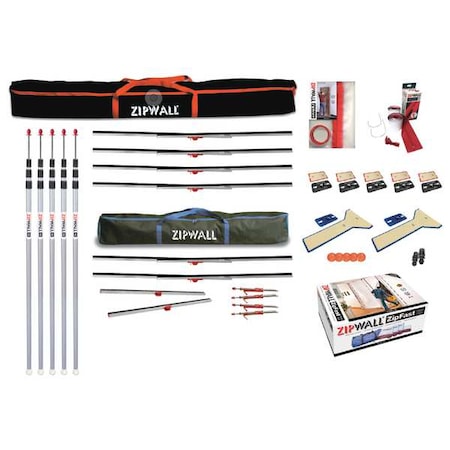
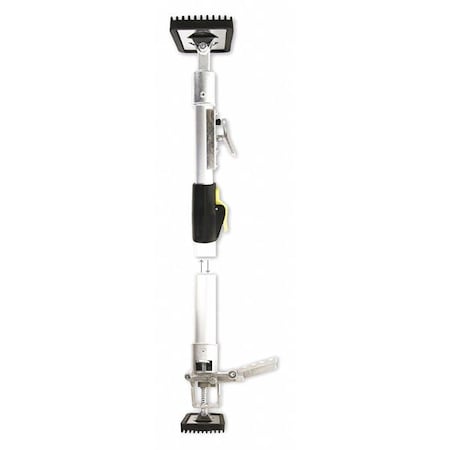
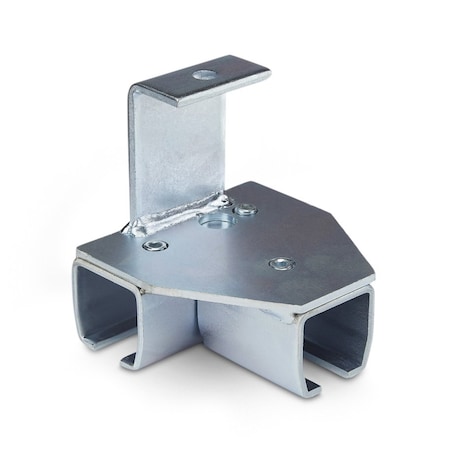
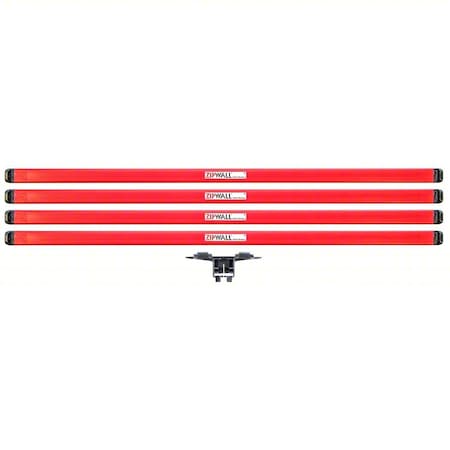
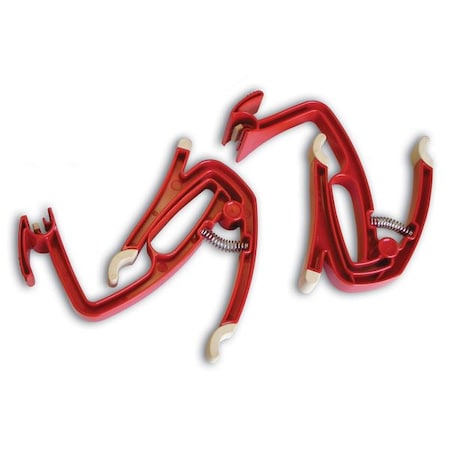
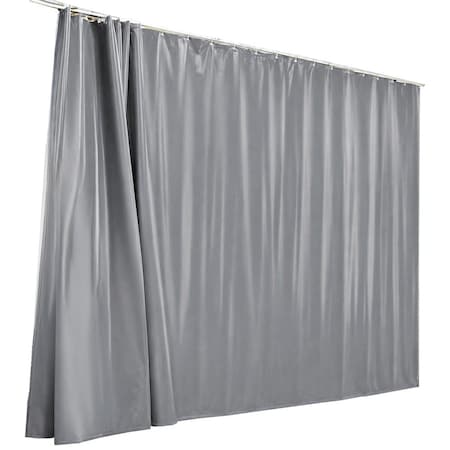
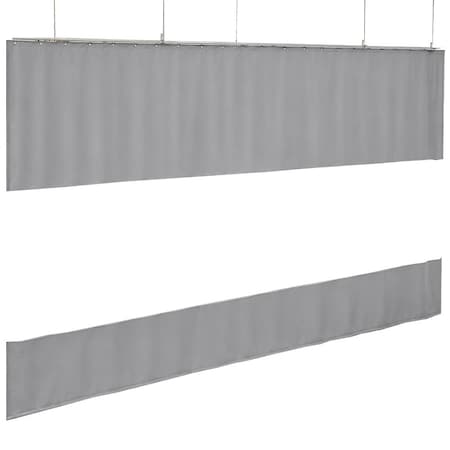
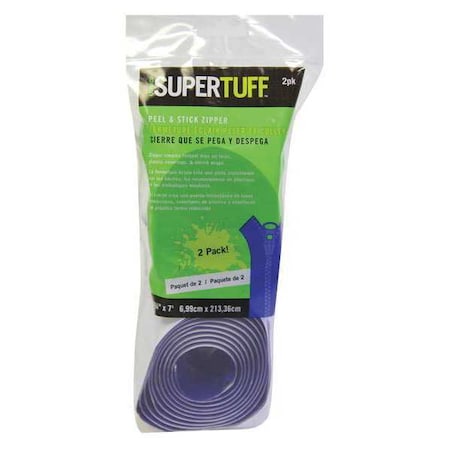
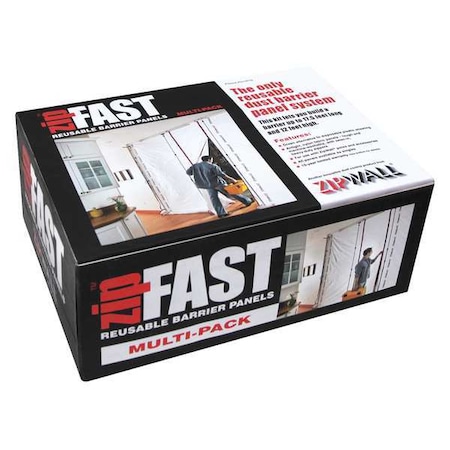
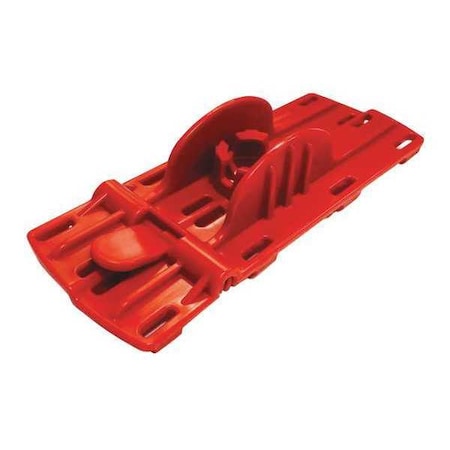
Curtain walls (AKA dust barrier, or industrial curtain) are barriers that separate or isolate a work area that is generating dust (such as construction dust), spray or fumes from other areas, or to insulate an interior or exterior work area. They are also used to separate clean lab areas and can also serve as a type of dock door. Some are designed as temporary barriers, while others can serve in a longer lasting or permanent role. Products vary by application, dimension, color, material and compliance standards, among other considerations.
Frequently Asked Questions
Curtain walls are non-load bearing external walls that connect to a building's structural frame. They can be made from a variety of materials, including glass, metal, and stone.
Curtain walls offer a number of benefits, including their ability to create a sleek and modern look and improve energy efficiency.
Curtain walls are typically installed using a process called unitization. Unitization involves assembling the curtain wall components in a factory and then transporting them to the construction site for installation.
There are a number of different types of curtain walls, including stick-built curtain walls, unitized curtain walls, and semi-unitized curtain walls. Each type of curtain wall has its own advantages and disadvantages.