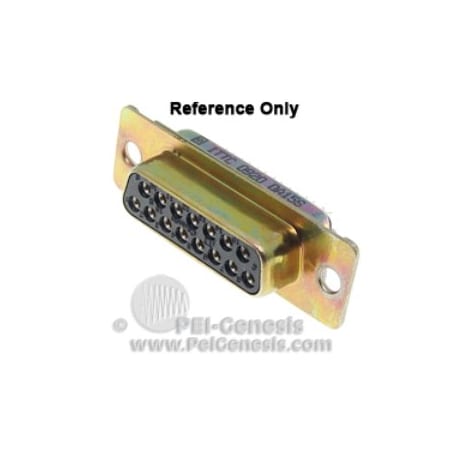
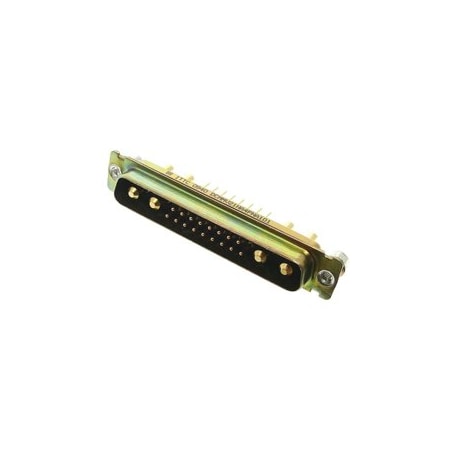
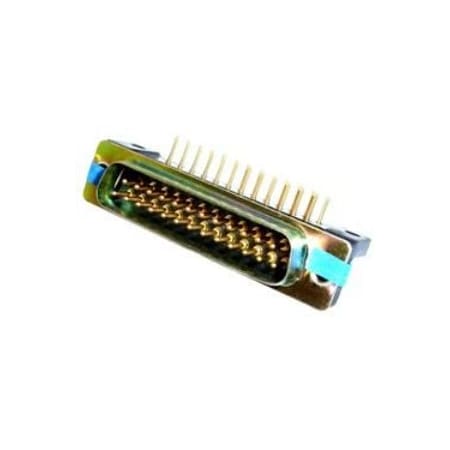
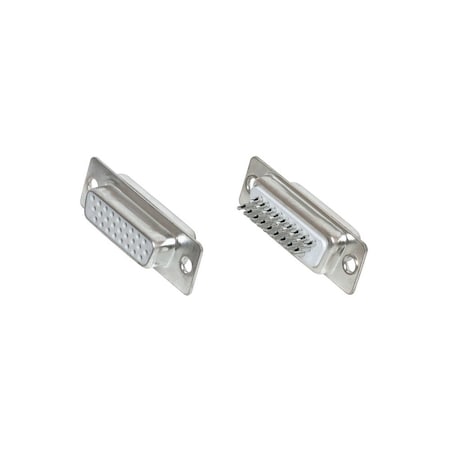
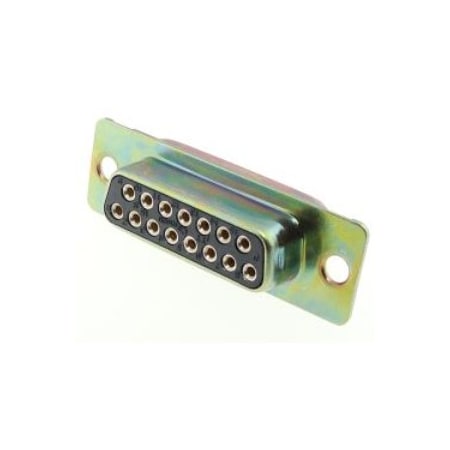
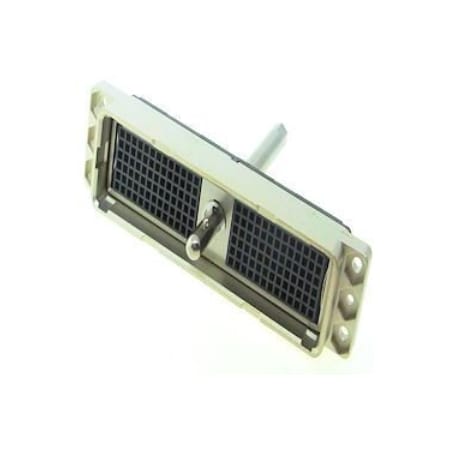
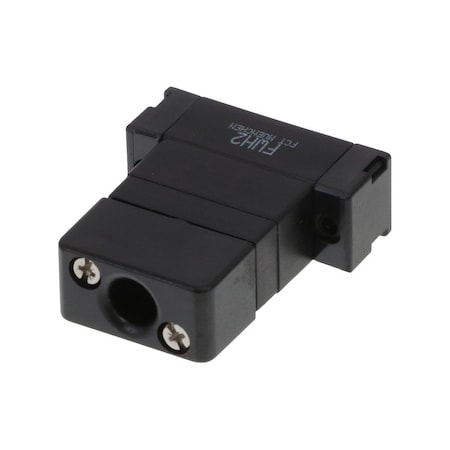
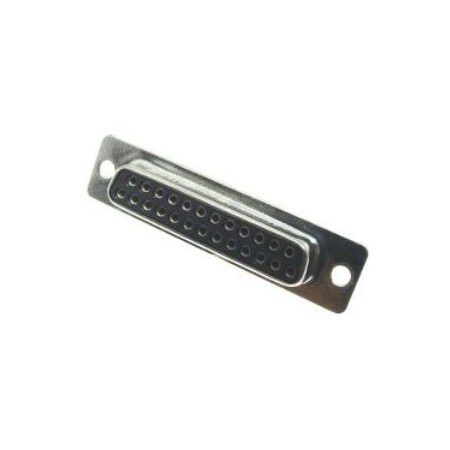
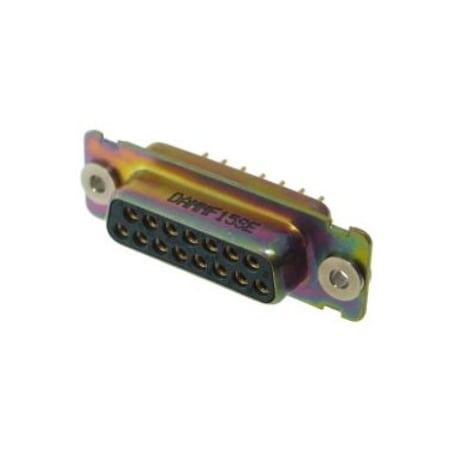
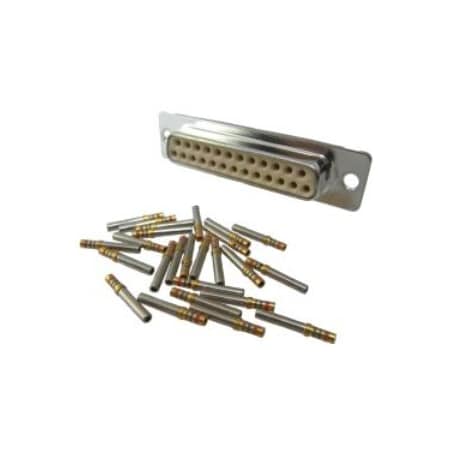
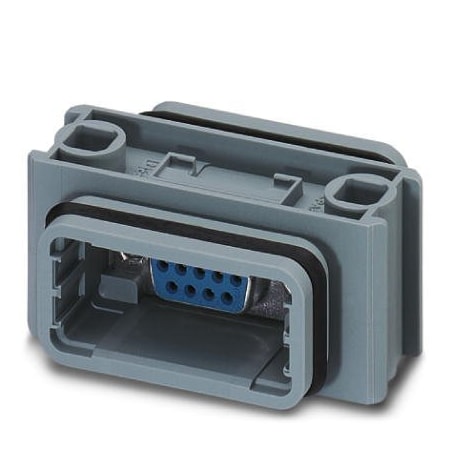
D-Sub connectors come in a variety of shapes and sizes, with the most common types being the DB9, DB15, DB25, and DB37. Each type has a different number of pins and is used for different applications.
The type of D-Sub connector you need will depend on the number of pins you need and the application you are using it for. If you are unsure which type of connector you need, consult with a qualified electrician.
Installing a D-Sub connector is a relatively simple process. First, you will need to strip the ends of the wires that you will be connecting to the connector. Next, you will need to insert the wires into the appropriate slots on the connector and tighten the screws. Finally, you will need to test the connection to make sure that it is secure.
If you are having problems with a D-Sub connector, there are a few things you can check. First, make sure that the connector is properly seated and that all of the screws are tightened. Next, check the wires to make sure that they are not damaged or loose. Finally, you can try cleaning the connector with a contact cleaner.