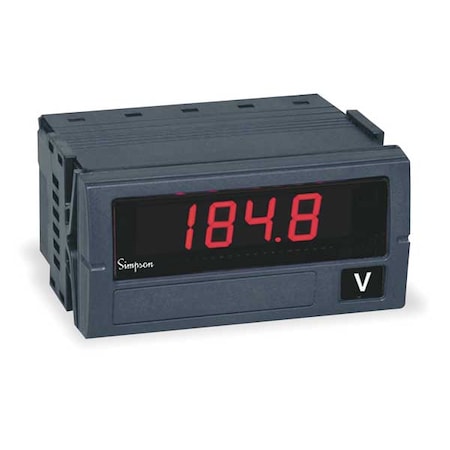
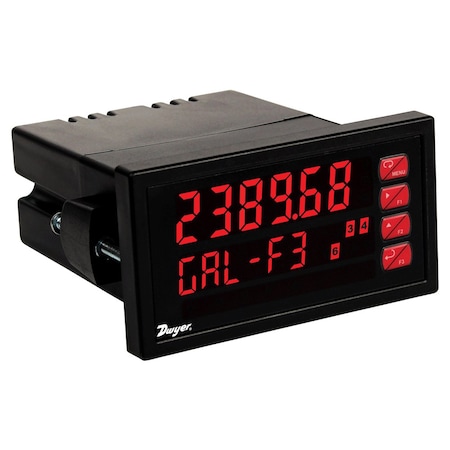
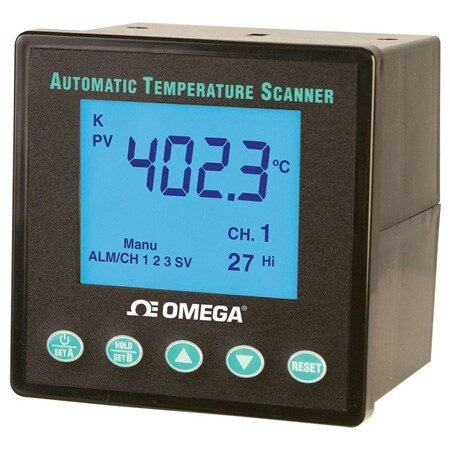
Display electrical variables and processes in an easy to read digital format with a simpson meter. This digital meter, also known as a panel meter, monitors voltages, flows, speeds and more. Over time, a digital meter’s parts can wear out, so be sure to see our panel meter accessories to keep your digital counter meter up to date. For a more specific voltage reader, view our variety of highly technical process calibrators and their necessary calibrator accessories. We also offer analog panel meters if you prefer to stay with a traditional type of readout.
Frequently Asked Questions
Analog panel meters use a moving needle to indicate measurements, while digital panel meters display measurements on a digital display. Digital panel meters are generally more accurate and easier to read than analog panel meters, and they can also measure a wider range of parameters.
Digital panel meters offer several benefits over analog panel meters, including: greater accuracy, easier readability, wider range of measurements, ability to store and recall readings, and lower power consumption.
There are several different types of digital panel meters available, each with its own unique features and capabilities. Some of the most common types include: basic digital panel meters, which measure basic parameters such as voltage, current, and resistance; advanced digital panel meters, which offer additional features such as data logging and programmable alarms; and microprocessor-based digital panel meters, which offer the most advanced features and capabilities.
When choosing a digital panel meter, it is important to consider the following factors: the parameters you need to measure (voltage, current, etc.), the accuracy you require, the display type, and the features you need (data logging, programmable alarms, etc.).