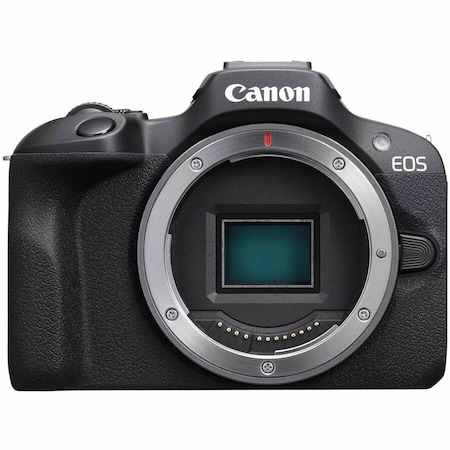
When selecting a DSLR for professional photography, consider factors such as sensor size for image quality, resolution for detail, ISO range for low-light performance, and autofocus system for speed and accuracy.
Full-frame sensors have larger surface areas than crop-sensors, providing better low-light performance, higher dynamic range, and shallower depth of field, while crop-sensors offer increased reach when using telephoto lenses.
The essential lens lineup for DSLR photography typically includes a wide-angle lens for landscapes and architecture, a standard zoom lens for general-purpose shooting, a telephoto lens for distant subjects, and a prime lens for portraits and low-light situations.
Image stabilization systems in DSLRs help reduce camera shake, especially in low-light conditions or when using longer lenses, leading to sharper images, smoother videos, and improved overall image quality.