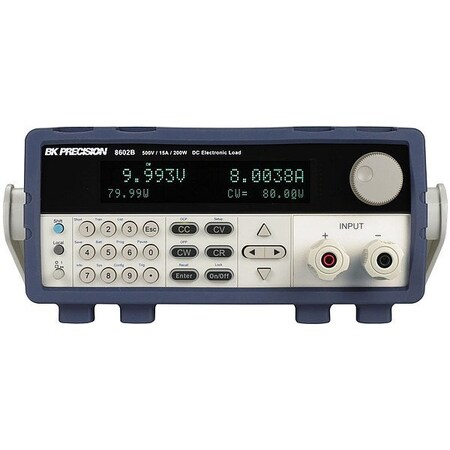
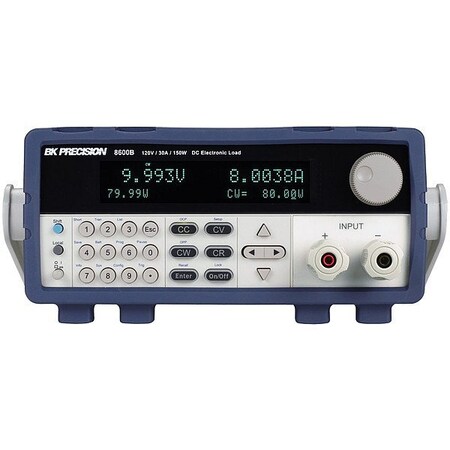
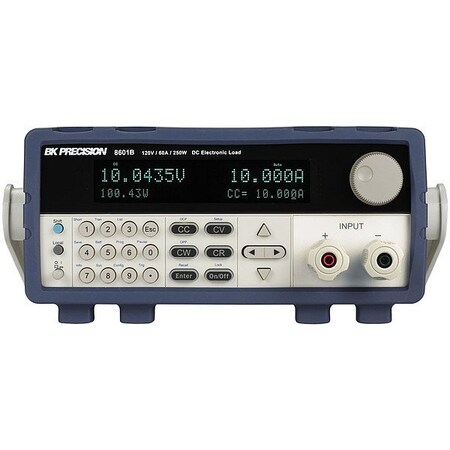
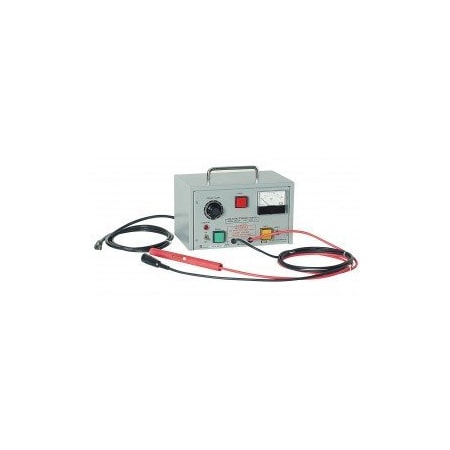
An electronic load is used for electronic bench testing by providing DC or AC loads to the power supply outputs. An electronic load tester can check to see if batteries or power supplies are performing properly. Also known as a programmable electronic load, these tests can be performed simultaneously without disturbing other measurements. To assist with these electronic loads, so that the testing works flawlessly, we have a number of static control products such as anti-static control spray, and static sensors to prevent static build-up that could interfer with the analysis.
Frequently Asked Questions
An electronic load is a device that simulates the electrical characteristics of a real-world load, such as a battery or power supply. It is used to test the performance of power sources, such as batteries, chargers, and power supplies.
There are two main types of electronic loads: DC electronic loads and AC electronic loads. DC electronic loads are used to test DC power sources, while AC electronic loads are used to test AC power sources.
There are many benefits to using an electronic load, including: improved accuracy, repeatability, and control over the testing process. Electronic loads can also be used to simulate a variety of different load conditions, which can help to ensure that the power source is able to meet the demands of the application.
Electronic loads are used in a variety of applications, including: testing batteries, chargers, and power supplies. They are also used in research and development, and in the manufacturing process. Electronic loads can be used to verify the performance of a power source, or to troubleshoot a power system.