
Emergency Foods (1 items)
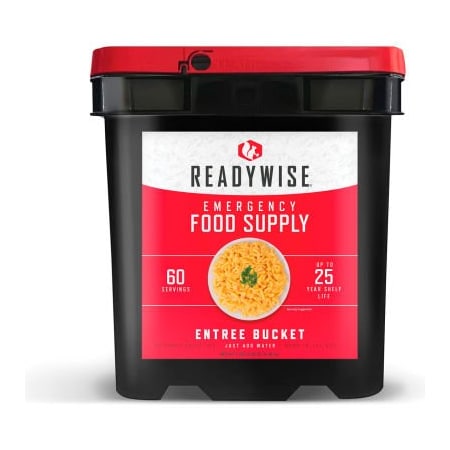
About Emergency Foods
Emergency Foods are designed to provide sustenance in times of crisis. They are typically compact and lightweight, making them easy to store and transport in case of emergency.
Types of Emergency Foods
Emergency Foods come in many forms, such as freeze-dried foods, canned foods, and MREs (Meals Ready to Eat). Freeze-dried foods can be reconstituted with water while canned foods require no preparation. MREs are ready-to-eat meals that contain all the necessary components for a full meal.
How Emergency Foods are Made
Emergency Foods are made using a variety of materials and compounds. Freeze-dried food is created by freezing the food item and then removing the moisture from it through a process called sublimation. Canned food is prepared by heating it until it is sterilized and then sealing it in an airtight container.
Industries that use Emergency Foods
Emergency Foods are used by many industries including military personnel, emergency responders, campers, hikers, hunters, fishermen, disaster relief organizations, and more. Professionals who work in these industries often rely on Emergency Foods as part of their daily supplies.
Find the Emergency Foods You Need at Zoro
Looking for a specific item? Use our robust search tool to find it by name or keyword, or use our handy filters to narrow down our full assortment. You can also check out our whole selection of Emergency Foods along with other tools or equipment to ensure you have all you need to tackle the job, especially if you're taking on a DIY project for the first time.
Plus, when you shop at Zoro, you'll always enjoy competitive prices on tons of great brands you know and trust. We make the shopping experience as fast and seamless as possible with free shipping on orders over $50 for registered users, Net 30 payment terms for qualifying customers, and an unparalleled customer service experience.
Frequently Asked Questions
Emergency food kits are designed to provide a short-term (usually 3-day) supply of non-perishable food in the event of an emergency. Emergency food kits may be ready-to-eat (RTE) or require minimal preparation. Survival food kits, on the other hand, are typically designed for more long-term survival and are designed to provide a larger variety of foods.
Emergency food kits should generally include a variety of non-perishable foods. This may include energy bars, protein bars, canned fish, canned fruit and vegetables, dry milk, etc. Remember what your nutritional needs are and pack appropriately.
The shelf life of food in an emergency food kit will vary depending on the type of food and the storage conditions. Ready-to-eat foods generally have a shelf-life of 3-5 years, while freeze-dried foods may have a longer shelf life of 10 years or more.
The specific laws and regulations surrounding emergency foods may vary depending on your jurisdiction. However, in general, it is important to comply with any local, state, or federal laws regarding the storage, handling, and use of emergency food.
