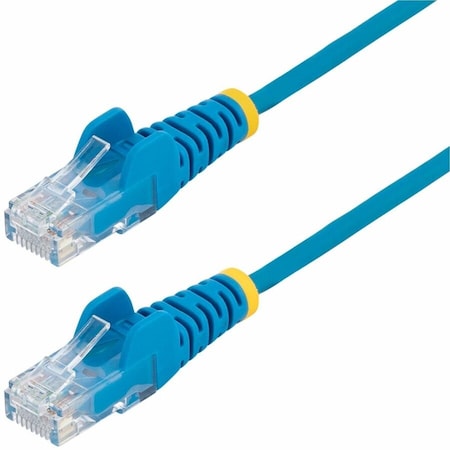
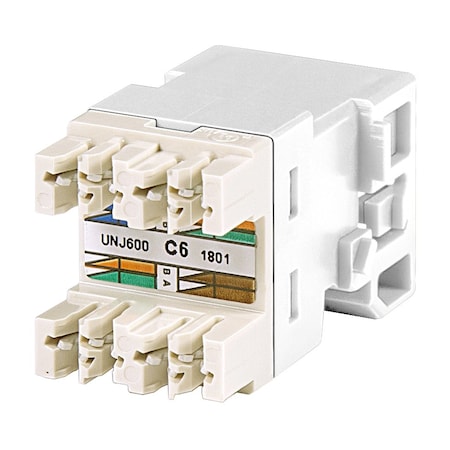
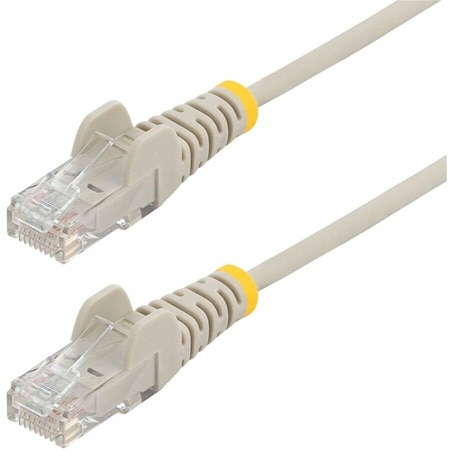
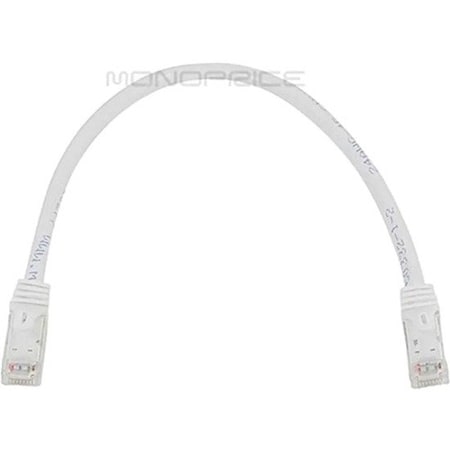
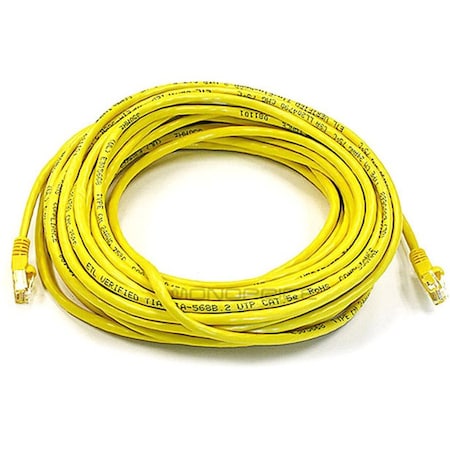
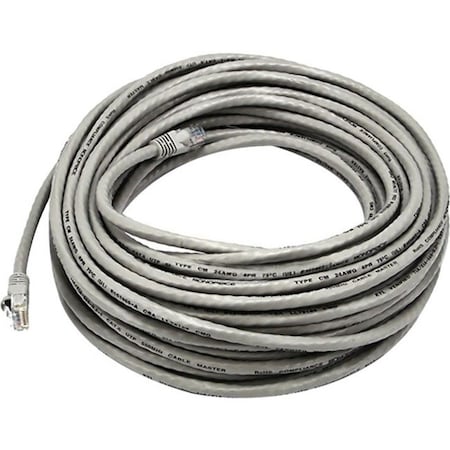
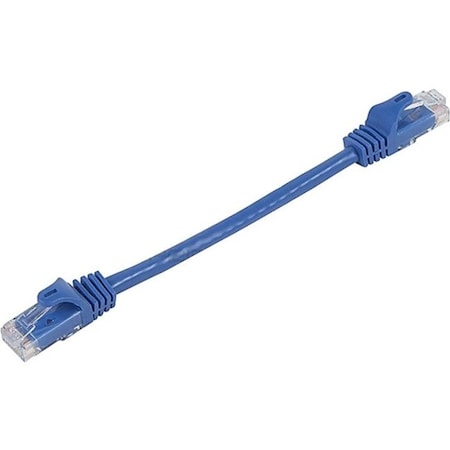
Whether an office network or an entire data center, data operations need to be connected with quality, reliable and capable data and local area network (LAN) cables (AKA ethernet cables). Data cables and LAN cables come in all shapes and sizes and vary by length, category (such as cat5 cable or cat6 cable - the higher, the greater the speed and data volume it can handle), shielded or unshielded, spooled or non-spooled, bend radius and many other considerations. In addition to computer cables, be sure to see our ethernet switches for your network.
Frequently Asked Questions
Cat5e cables are suitable for Gigabit Ethernet speeds up to 100 meters and are commonly blue. Cat6 cables support 10 Gigabit Ethernet up to 55 meters and are available in a variety of colors. Cat6a cables provide the highest performance, supporting 10 Gigabit Ethernet up to 100 meters and are typically green.
For a secure and reliable connection, it's recommended to use a punch-down tool to terminate Ethernet cables. This tool allows you to precisely insert the wires into the IDC (Insulation Displacement Connector) blocks found on Ethernet jacks.
To extend the distance of your Ethernet connection, you can use either Ethernet extenders or Ethernet switches. Ethernet extenders allow you to connect two Ethernet cables together to create a longer cable run. Ethernet switches add additional ports to your network, enabling you to connect multiple devices.
Fiber optic cables offer significantly higher bandwidth and transmission speeds compared to copper cables. However, copper cables are versatile and easier to install. The choice between the two depends on the required bandwidth and distance.