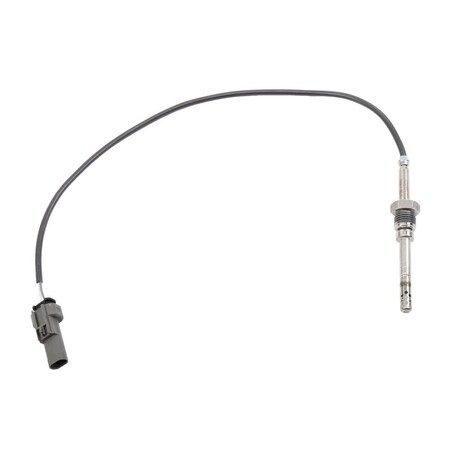
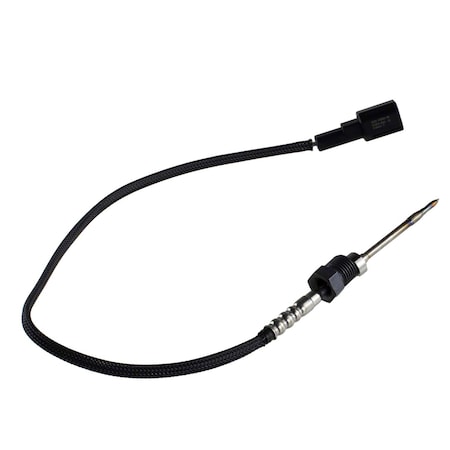
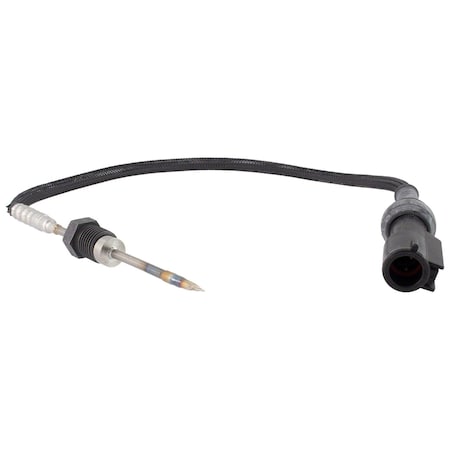
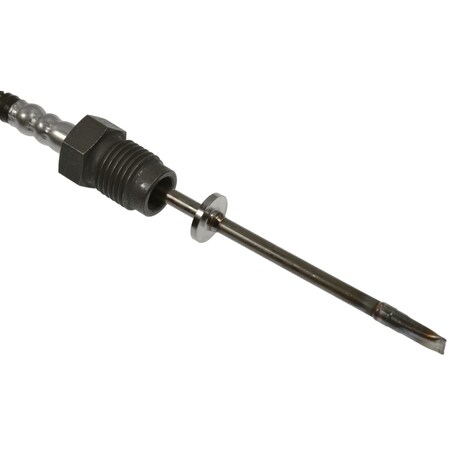
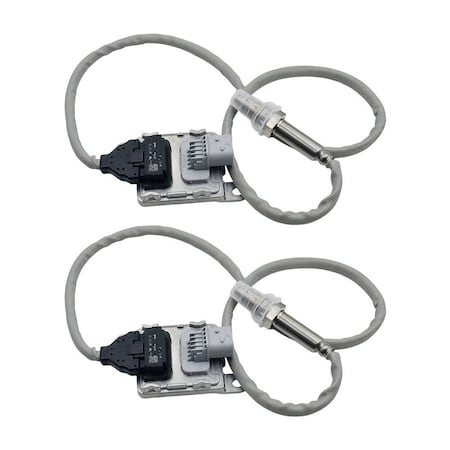
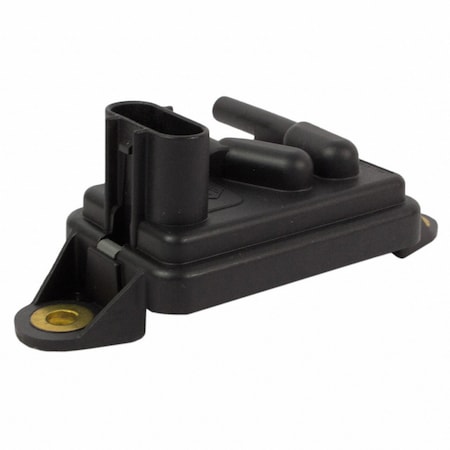
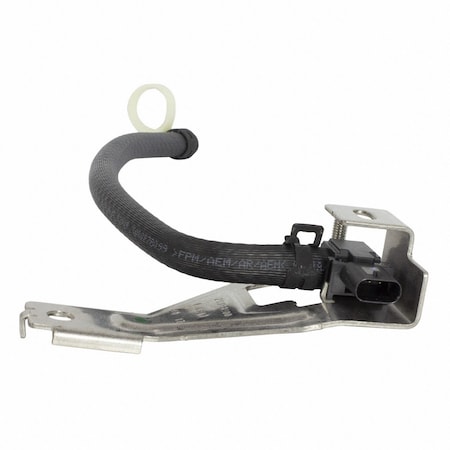
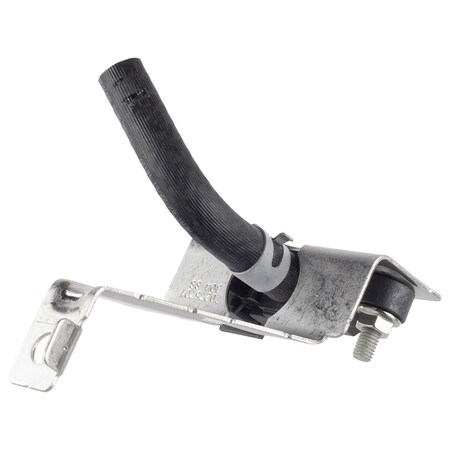
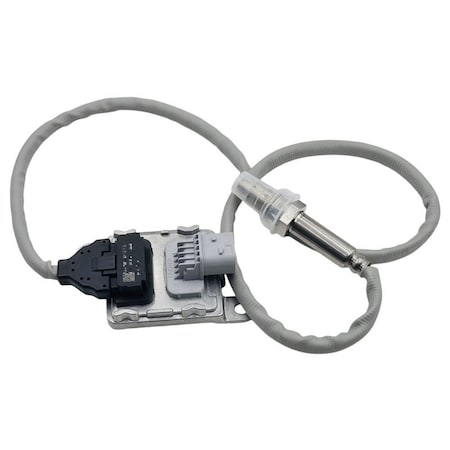
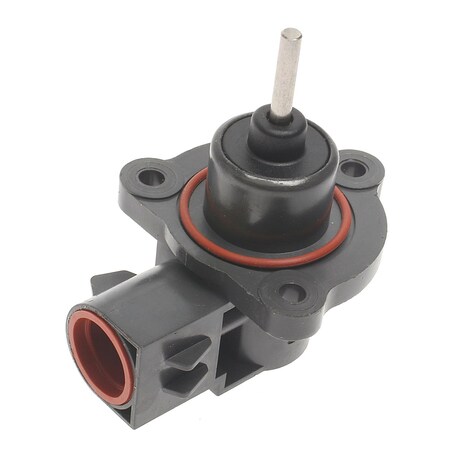
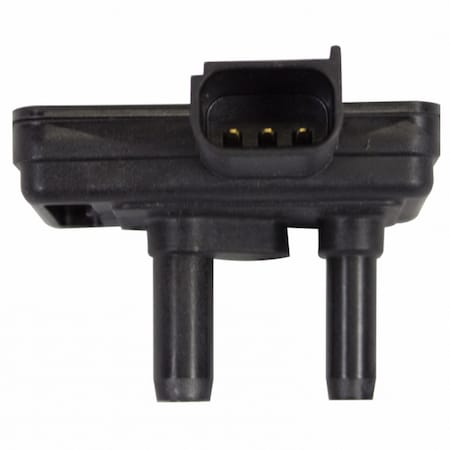
An exhaust sensor is a device that measures the composition of a vehicle's exhaust gas. It detects gases such as oxygen, carbon monoxide, and nitrogen oxides and sends this information to the engine control unit (ECU), which adjusts the air-fuel mixture and ignition timing to optimize engine performance and reduce emissions.
Exhaust sensors play a crucial role in maintaining optimal engine performance and reducing harmful emissions. A faulty or malfunctioning exhaust sensor can lead to decreased fuel efficiency, increased emissions, and potential damage to the engine and catalytic converter.
There are two primary types of exhaust sensors: oxygen sensors and nitrogen oxide (NOx) sensors. Oxygen sensors measure the oxygen content in the exhaust gas, providing information about the air-fuel ratio. NOx sensors detect nitrogen oxides emitted during combustion and monitor compliance with emission regulations.
The replacement interval for exhaust sensors varies depending on the vehicle make, model, and driving conditions. Typically, it is recommended to consult the vehicle's manufacturer guidelines or seek professional advice for specific replacement schedules. Regular inspections and prompt replacement of faulty exhaust sensors ensure optimal engine performance and emission control.