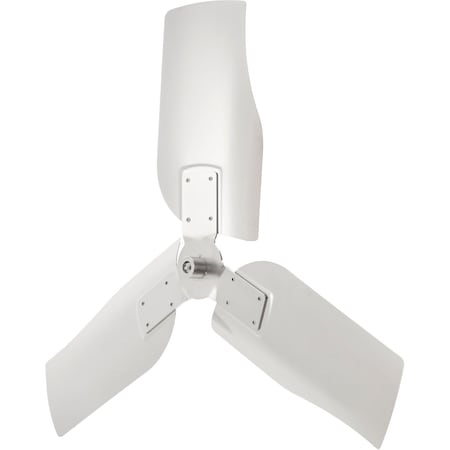
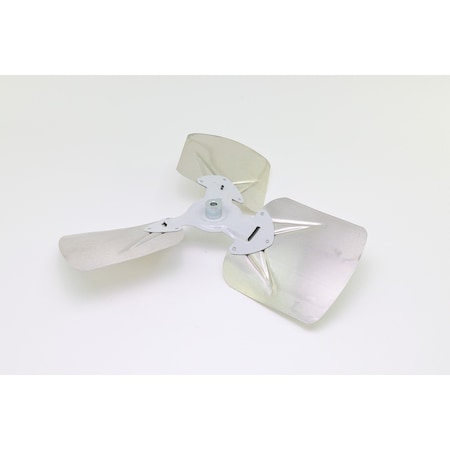
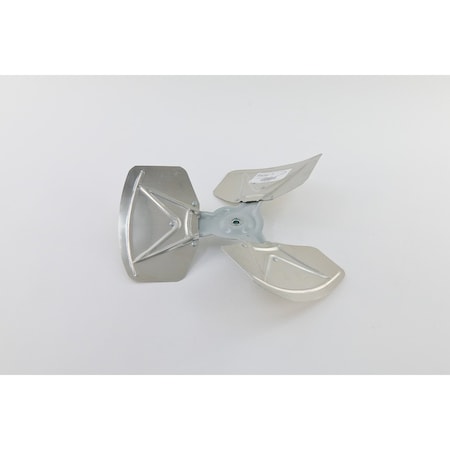
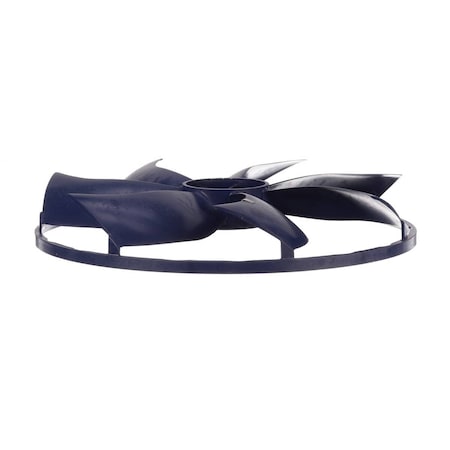
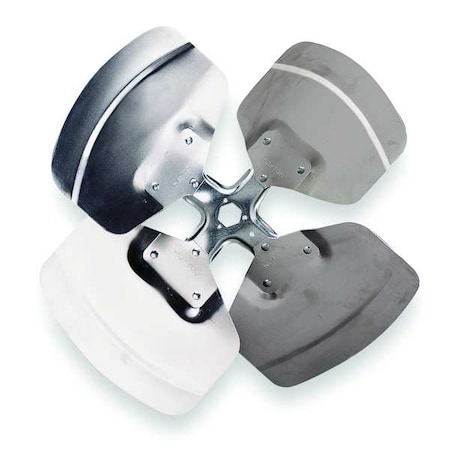
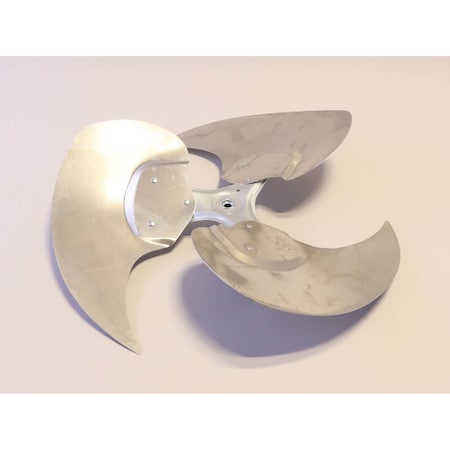
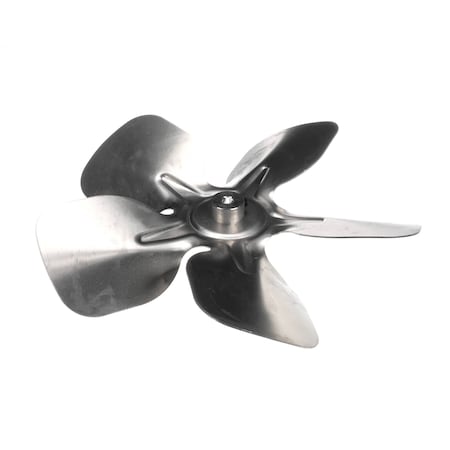
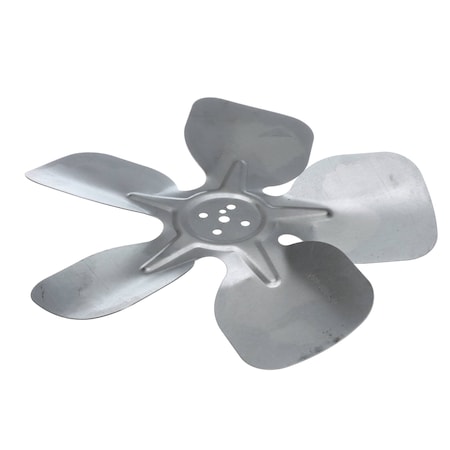
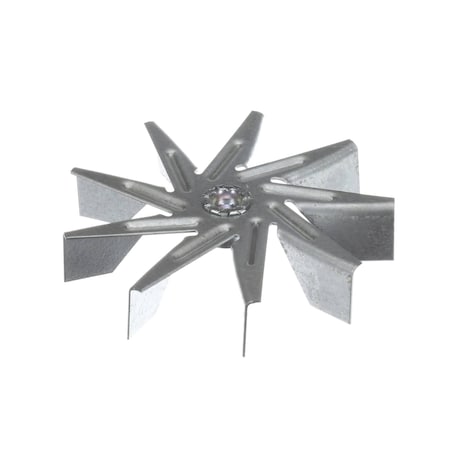
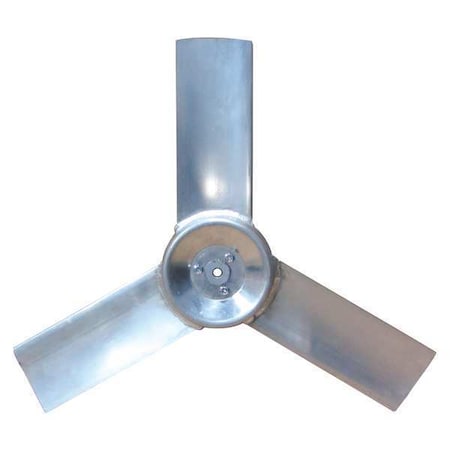
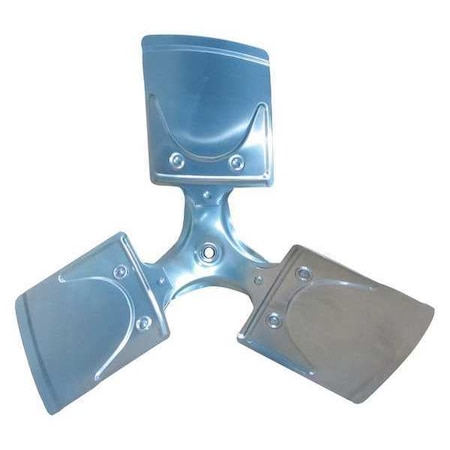
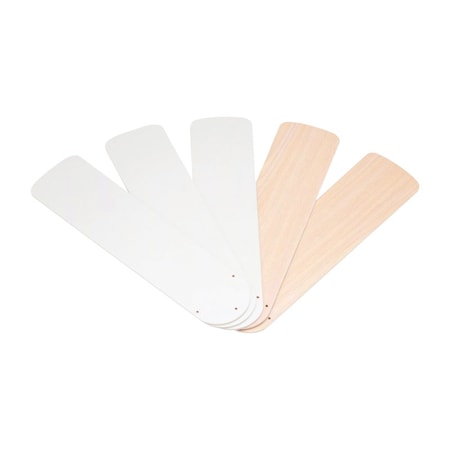
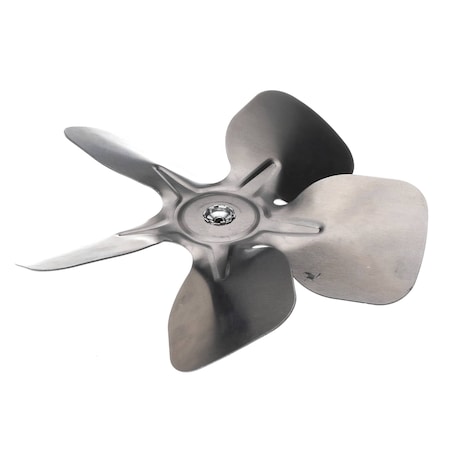
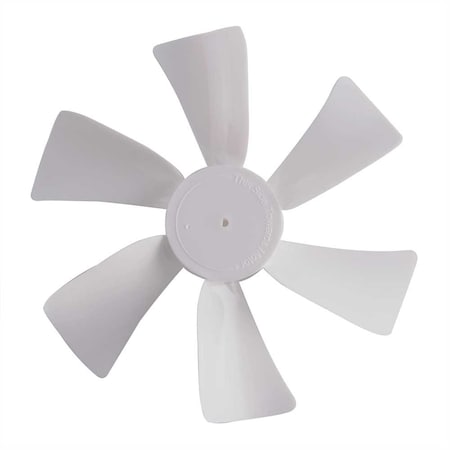
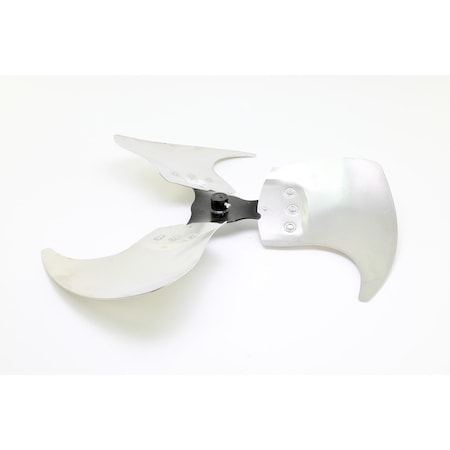
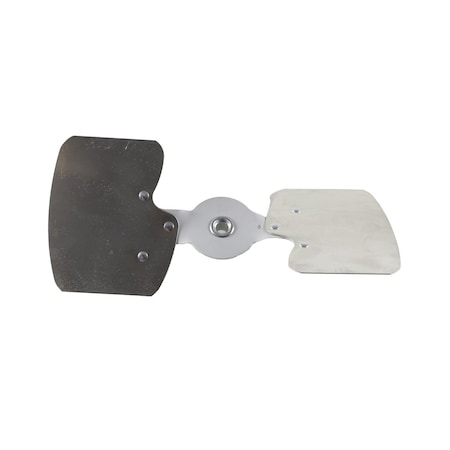
Fan Blades and Propellers are vital components found in a diverse range of machines and devices, delivering the propulsion needed for their operation. Available in an array of shapes, sizes, and materials, these elements cater to various applications including cooling or ventilation tasks. The construction of Fan Blades and Propellers often involves robust metals such as steel or aluminum that have undergone treatment for corrosion resistance, although the blade material may vary based on its intended use. These indispensable tools find extensive usage across numerous industries; HVAC technicians installing attic fans, mechanics working on industrial machinery, marine engineers requiring specialized propeller fans, auto body workers repairing car radiators - all rely on different types of fan blades and propellers. Other professionals who frequently utilize them include electricians fitting ceiling fans in homes to computer technicians building PCs.
Frequently Asked Questions
Fan blades are primarily designed to move air within enclosed spaces, such as rooms or electronic devices, while propellers are optimized for generating thrust to propel vehicles or watercraft.
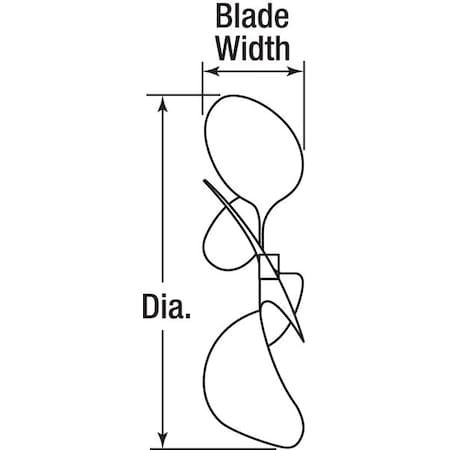
The appropriate fan blade size depends on the size of the space you need to ventilate or cool. Consult the manufacturer's guidelines or consider consulting with a professional to determine the optimal blade size.
While the number of blades affects airflow, other factors such as blade design and motor power also contribute to performance. Most household and industrial fans have 2 to 8 blades.
Fan blade materials vary based on their intended use. Common choices include plastic for versatile fans, wood for aesthetics and durability, and metal for heavy-duty applications. The most efficient material for your specific needs will depend on factors such as airflow requirements and environmental conditions.