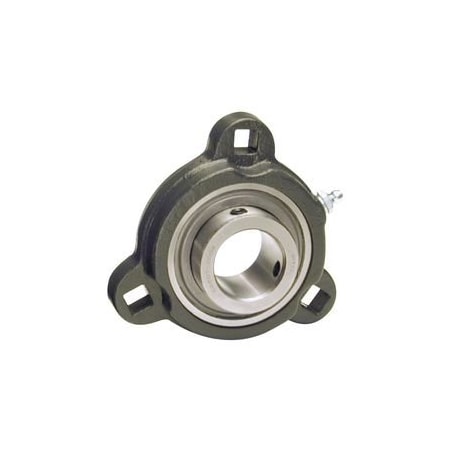
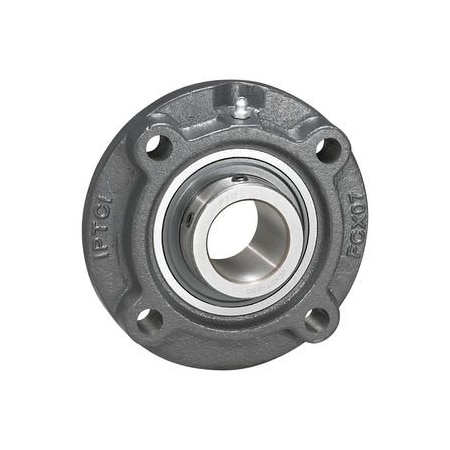
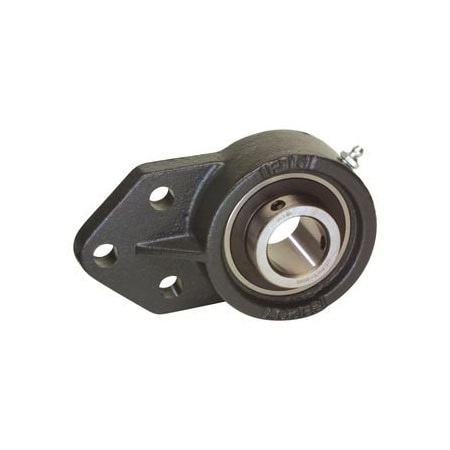
Flange Bearings, essential for supporting mechanical equipment and connecting components, are versatile tools that come in a variety of styles and sizes. These bearings are primarily crafted from durable metals like steel, aluminum or brass, often complemented with synthetic materials such as nylon or rubber to enhance durability and minimize friction. Their construction requires precision machining techniques to ensure optimal functionality. Flange Bearings play a vital role across multiple industries including automotive manufacturing, heavy machinery construction, aerospace engineering among others. They are trusted by professionals for their efficiency and safety enhancement capabilities while also being utilized by quality assurance engineers during product inspections.
Frequently Asked Questions
A flange bearing is a type of bearing that has a flange on one side, which allows it to be mounted to a surface. This type of bearing is commonly used in power transmission applications, such as on shafts and axles. Flange bearings work by reducing friction between two surfaces, allowing for smooth and efficient operation.
There are several types of flange bearings available, each with its own unique characteristics and applications. Some of the most common types include ball bearings, roller bearings, and needle bearings. Ball bearings are known for their high speed capabilities and low friction, while roller bearings offer greater load capacity and durability. Needle bearings, on the other hand, are compact and can handle high radial loads.
When choosing a flange bearing, it is important to consider several factors, including the load capacity, speed, and environment in which it will be used. The load capacity of the bearing should be sufficient to handle the forces applied to it, while the speed rating should match or exceed the operating speed. Additionally, the bearing should be able to withstand the environmental conditions, such as temperature, humidity, and exposure to chemicals.
Proper installation and maintenance are crucial for ensuring the longevity and performance of a flange bearing. The bearing should be installed following the manufacturer's instructions, using the appropriate tools and techniques. Regular maintenance, including lubrication and inspection, is also essential to prevent premature failure and extend the bearing's lifespan.