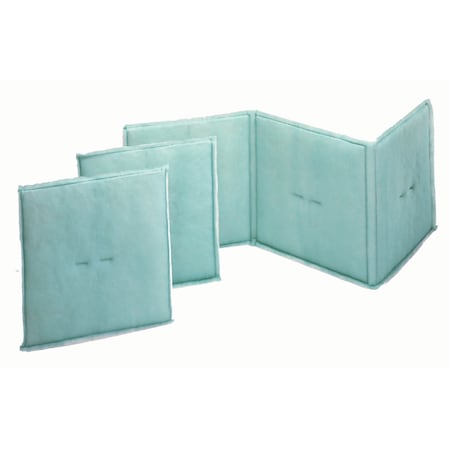
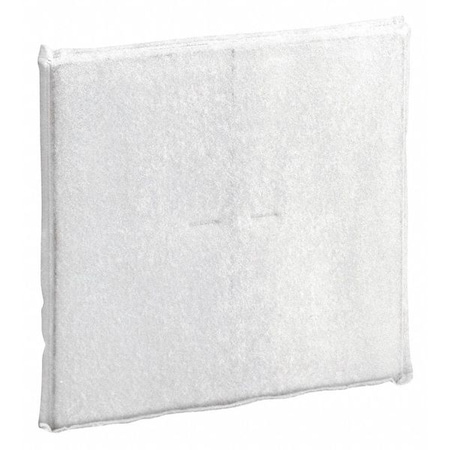
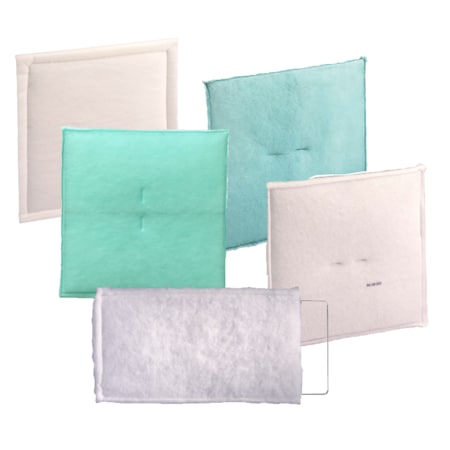
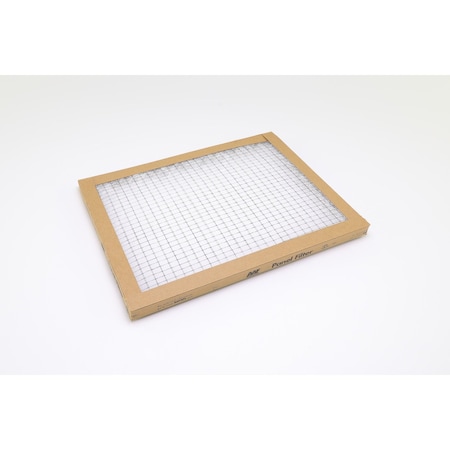
Flat Air Filters serve a crucial role in maintaining air quality by effectively filtering out debris, dust, and other airborne contaminants. These filters are versatile and come in various sizes and materials to meet diverse needs. They're typically constructed with layers of synthetic fibers, bound by a thin adhesive layer, creating a dense material that traps particles while ensuring easy airflow - an essential characteristic for heating and cooling systems like furnaces where efficiency is paramount. Flat Air Filters find their application across numerous industries such as residential HVAC systems, industrial ventilation setups, commercial buildings, healthcare facilities among others. Professionals trust high-quality flat air filters to ensure clean air circulation within their premises at all times.
Frequently Asked Questions
Flat air filters offer several advantages, including: improved indoor air quality, reduced energy consumption, and extended HVAC system lifespan. They trap and remove airborne particles, such as dust, pollen, and pet dander, creating a cleaner and healthier indoor environment. Additionally, the filters' low resistance allows air to pass through easily, reducing the strain on the HVAC system and decreasing energy usage.
The frequency of flat air filter replacement depends on various factors, such as the filter's efficiency rating, indoor air quality, and the number of pets or smokers in the household. Generally, it's recommended to replace flat air filters every 1-3 months, especially during seasons with high pollen or dust levels. Regularly changing the filter ensures optimal performance and prevents dust buildup that can affect indoor air quality and HVAC efficiency.
MERV (Minimum Efficiency Reporting Value) is a rating system that measures the effectiveness of air filters in capturing airborne particles. Higher MERV-rated filters are more efficient at trapping smaller particles, resulting in better indoor air quality. For residential and commercial applications, MERV ratings between 8 and 13 are suitable for most needs, effectively removing common allergens, dust, and smoke particles.
Determining the correct flat air filter size for your HVAC system is crucial for proper airflow and filtration. To find the correct size, measure the width, height, and depth of the current air filter or refer to the owner's manual of your HVAC system. Ensure that the new filter has the same dimensions and fits snugly into the filter holder. Installing the appropriate size filter allows for optimal airflow, prevents air leaks, and ensures efficient filtration.