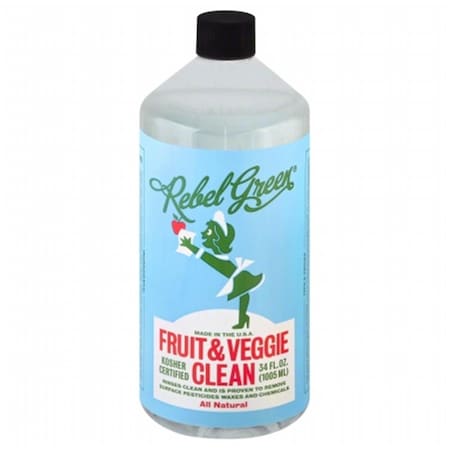
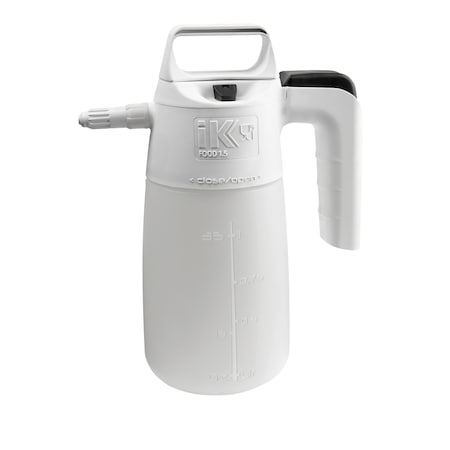
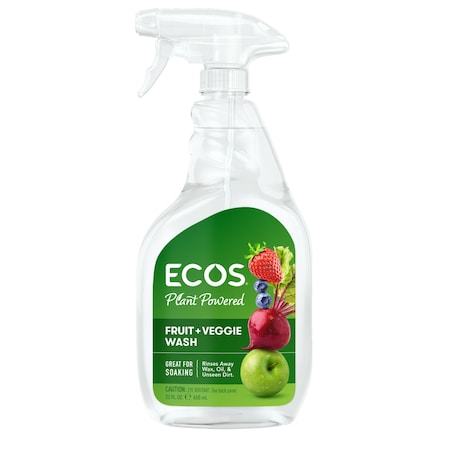
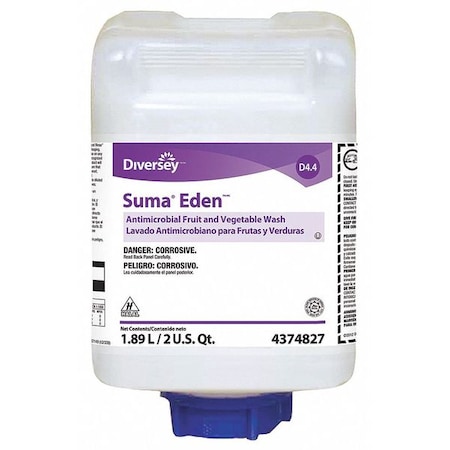
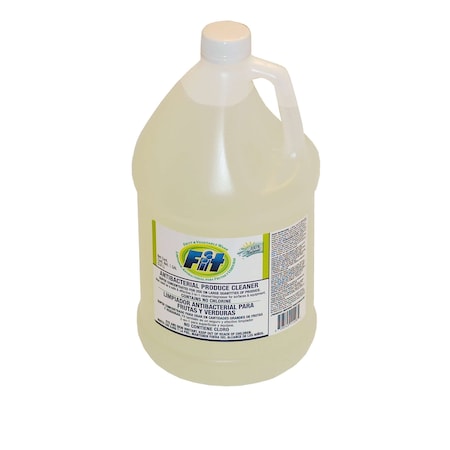
If you work in the food industry, you know how important it is to keep fresh food free from harmful contaminants, such as pesticides and microorganisms. Infectious fungi and bacteria can cause serious health problems if left unchecked. That’s why food sanitizers are so important. The commonly-held order of cleaning raw foods is rinse, clean, rinse and sanitize. The Centers of Disease Control and Prevention suggest that fresh produce be washed and cleaned before serving. We have a wide selection of vegetable wash products and food sanitizers to help keep your food free of harmful stuff. Besides a great veggie wash selection, Zoro also has food testing devices, such as quaternary testers and thermometers, and chlorine test strips to let you know when your food is safe. And if you own a restaurant, you know that keeping your food preparation areas free of contamination can help prevent unwarranted health code violations. That’s why it’s also important to keep all of your implements and containers, such as food thermometers, cutlery, cookware, and food scales germ-free.
Frequently Asked Questions
A food sanitizer, such as our SaniDate 5 Quaternary Sanitizer, is formulated to reduce microorganisms on food-contact surfaces, while a disinfectant is used to kill pathogens on non-food-contact surfaces, such as a restaurant countertop.
The frequency of sanitizing food-contact surfaces depends on the type of food being handled and the level of potential contamination. Generally, surfaces should be sanitized after each use, or more frequently if there is a high risk of contamination.
Yes, it is crucial to rinse food-contact surfaces thoroughly with potable water after sanitizing to remove any residual sanitizer that could potentially contaminate food.
The appropriate concentration of food sanitizer varies depending on the specific product being used. Always follow the manufacturer's instructions for the correct dilution ratio.