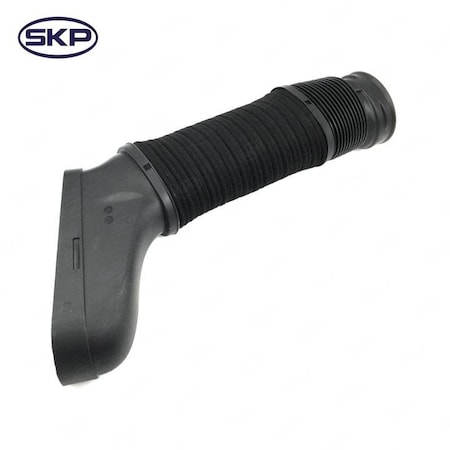
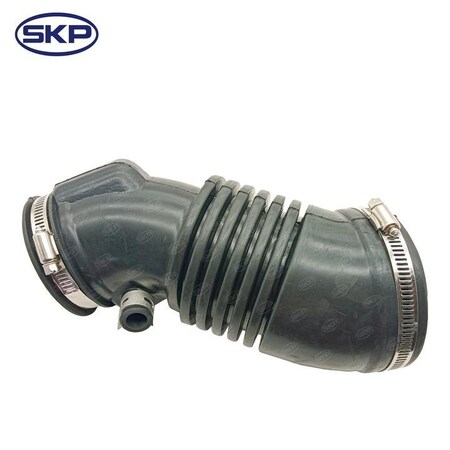
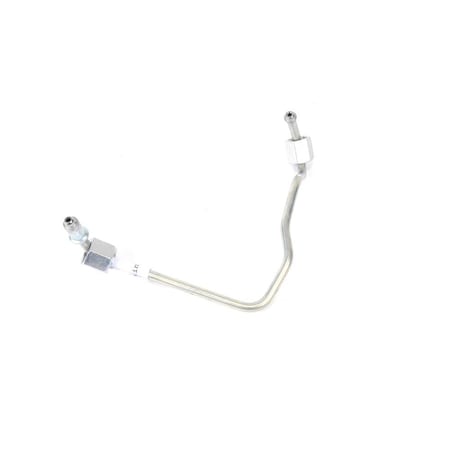
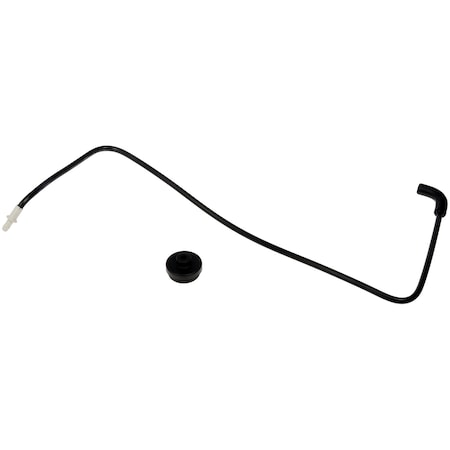
Fuel & Emission Hoses are constructed from a variety of materials, including rubber, polyurethane, and steel. These materials offer exceptional durability, resistance to chemicals and fuels, and flexibility to withstand the demands of various vehicle systems.
The replacement interval for Fuel & Emission Hoses varies depending on the vehicle and usage. Generally, it's recommended to inspect hoses regularly for signs of wear or damage and replace them according to the manufacturer's guidelines or when necessary to maintain optimal vehicle performance and safety.
Common indicators of a failing Fuel or Emission Hose include cracks, bulges, leaks, or hardening of the material. These issues can lead to fuel or emission leaks, which can affect engine performance, increase emissions, and compromise the safety of your vehicle.
Selecting the appropriate Fuel or Emission Hose is crucial. Consider factors such as the vehicle's make and model, the specific hose required (fuel, emission, vacuum, etc.), and the hose's length, diameter, and material. Referring to the vehicle's repair manual or consulting with a qualified mechanic can help ensure you choose the correct hose for your application.