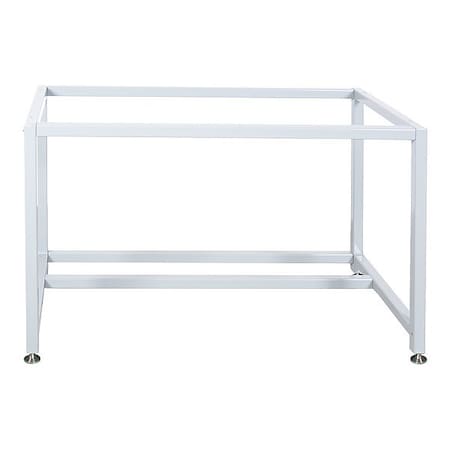
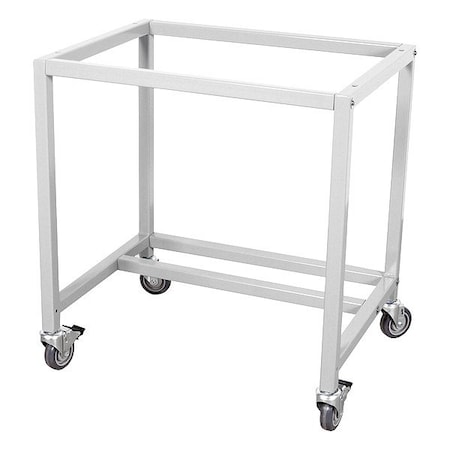
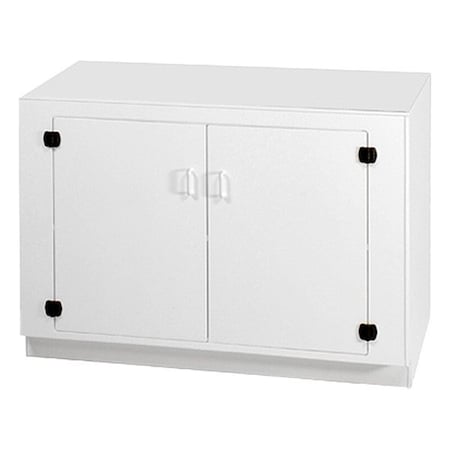
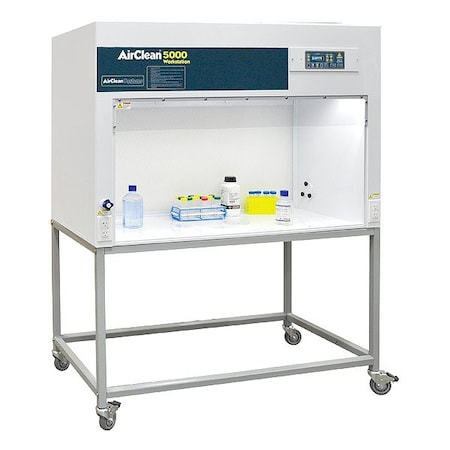
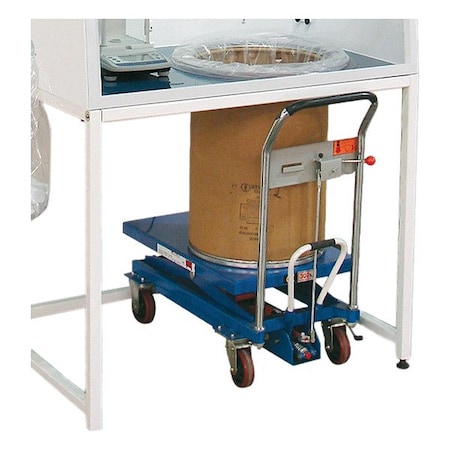
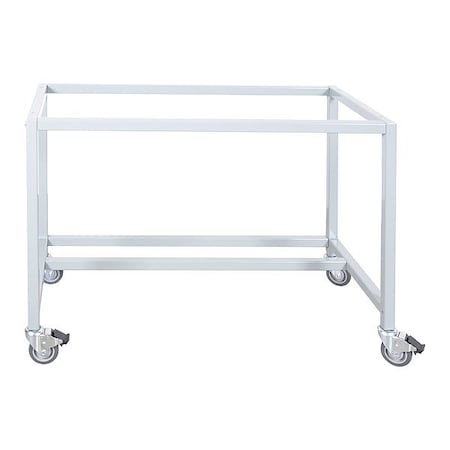
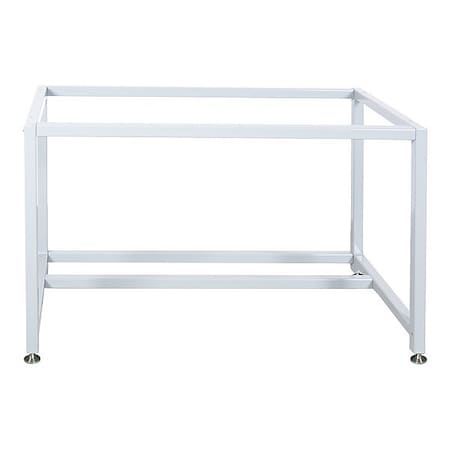
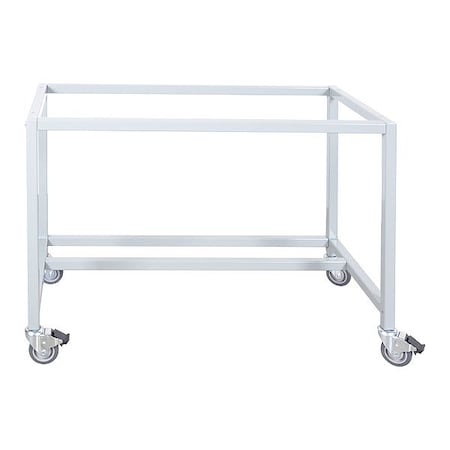
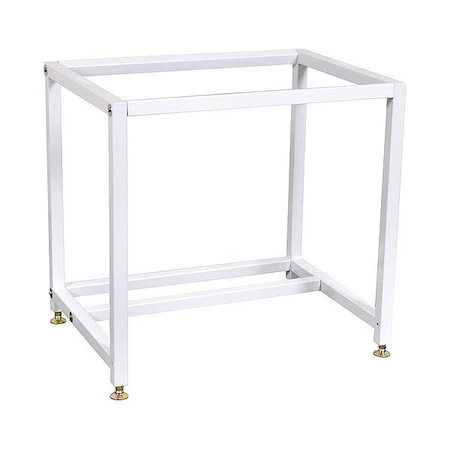
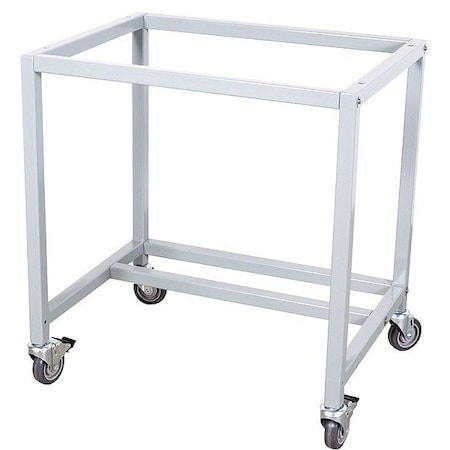
Fume hood cabinets and stands come in a variety of sizes and configurations to meet the specific needs of your laboratory. Fume hood cabinets are typically used for smaller applications, while fume hood stands are used for larger applications. Both types of fume hoods can be customized to include features such as work surfaces, storage cabinets, and exhaust systems.
Fume hoods are essential for protecting laboratory workers from exposure to hazardous fumes and vapors. They provide a controlled environment in which to conduct experiments and procedures that generate hazardous fumes or vapors. Fume hoods also help to protect the environment by preventing the release of hazardous chemicals into the atmosphere.
There are a few factors to consider when choosing a fume hood. The first is the size of the fume hood. You need to choose a fume hood that is large enough to accommodate the equipment and materials you will be using. The second is the type of fume hood. There are two main types of fume hoods: ductless fume hoods and ducted fume hoods. Ductless fume hoods do not require ductwork, while ducted fume hoods do. The third is the features of the fume hood. Some fume hoods come with features such as work surfaces, storage cabinets, and exhaust systems.
Fume hoods require regular maintenance to ensure that they are working properly. Maintenance includes cleaning the fume hood, inspecting the ductwork, and replacing the filters. Regular maintenance will help ensure that the fume hood is providing the necessary protection for laboratory workers and the environment.