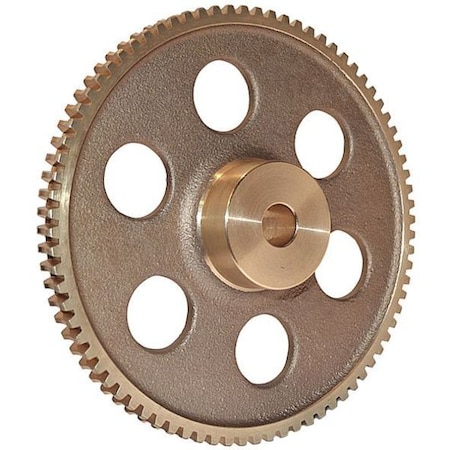
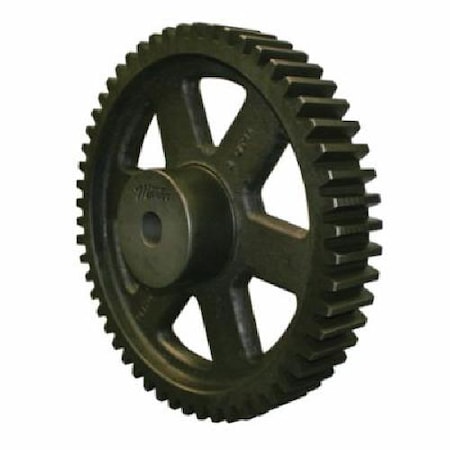
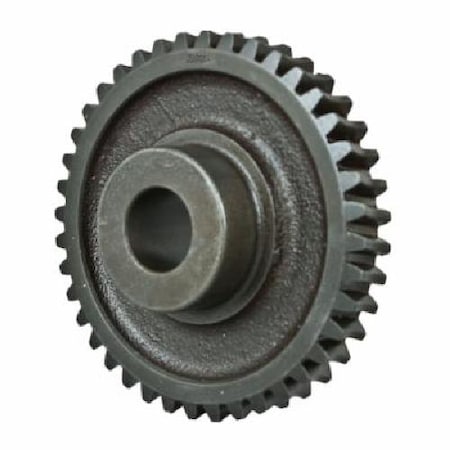
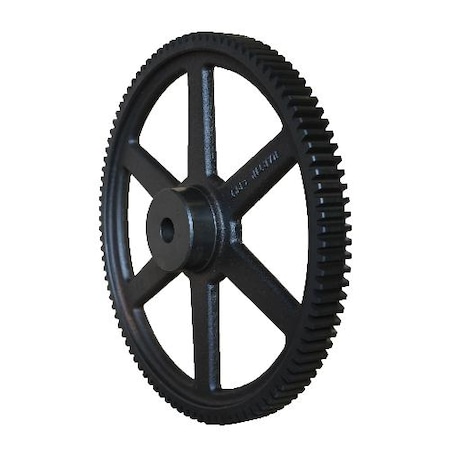
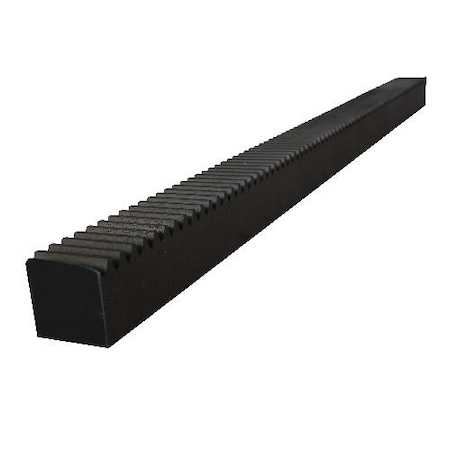
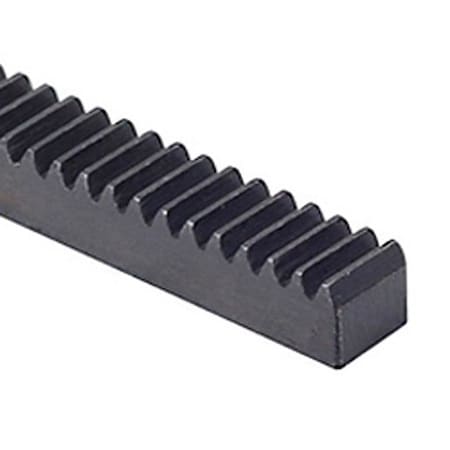
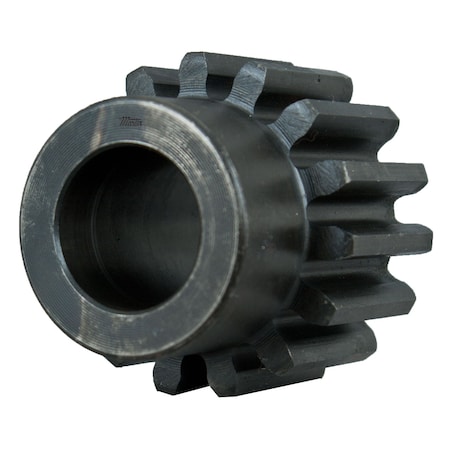
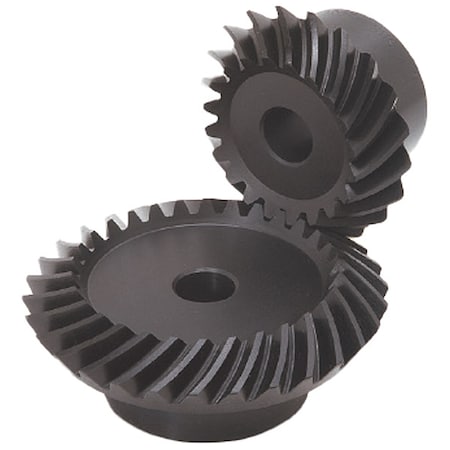
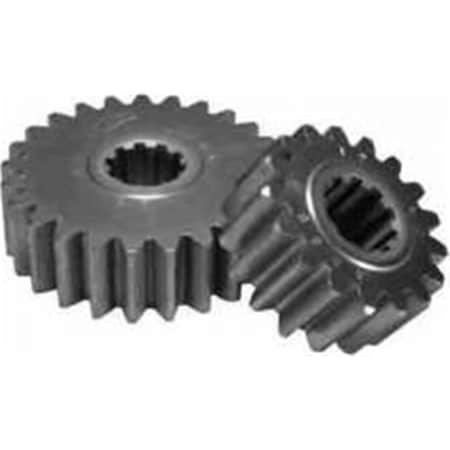
Gears and gear racks enable efficient and precise motion transmission in various industrial, automation, and robotics applications. They are crucial for converting rotary motion into linear motion or vice versa, ensuring accuracy and power transmission in systems like conveyors, actuators, and machine tools.
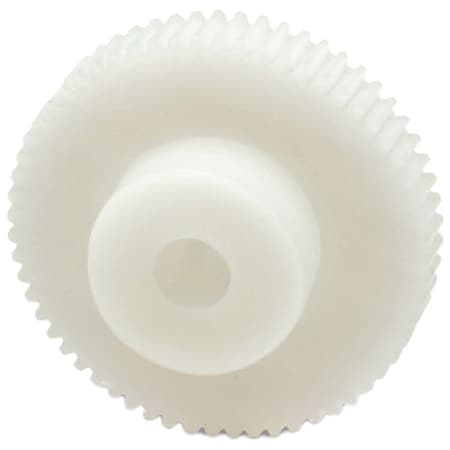
Selecting the right gears and gear racks is important for optimal performance. Consider factors such as module (size), tooth profile (involute, cycloidal), pressure angle, material (steel, plastic, composite), and tooth count. Determine the desired motion, load capacity, and rotational speed to make an informed decision.
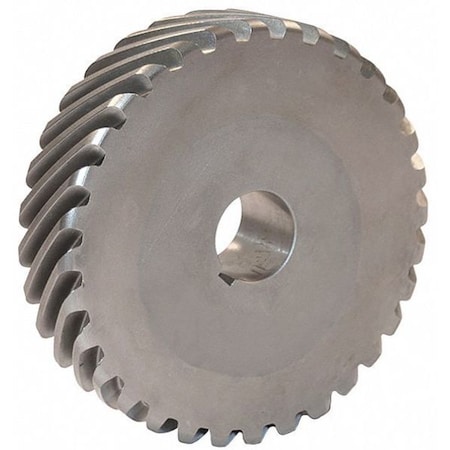
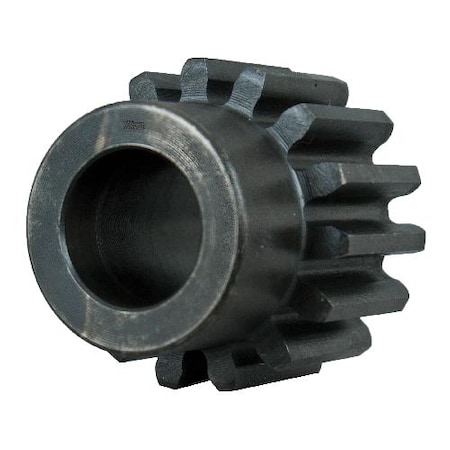
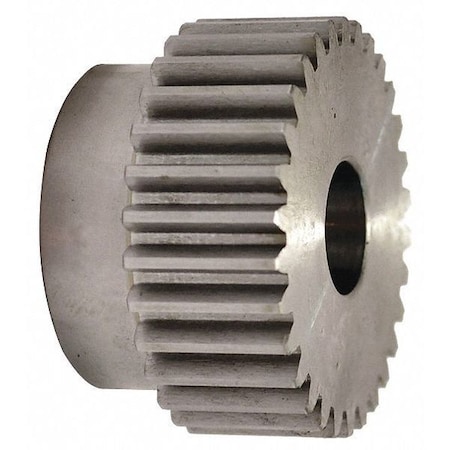
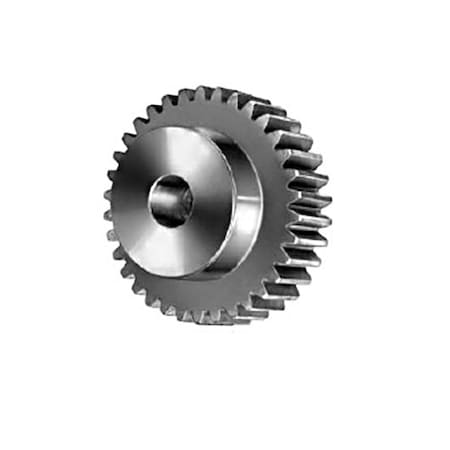
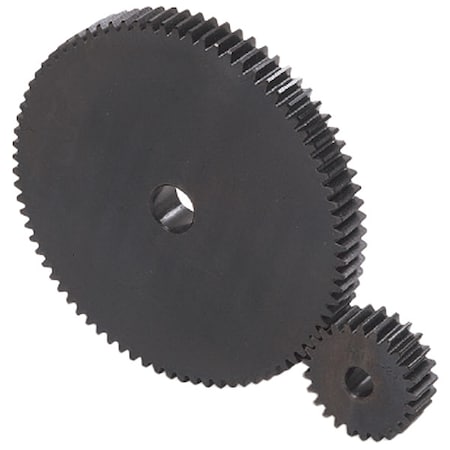
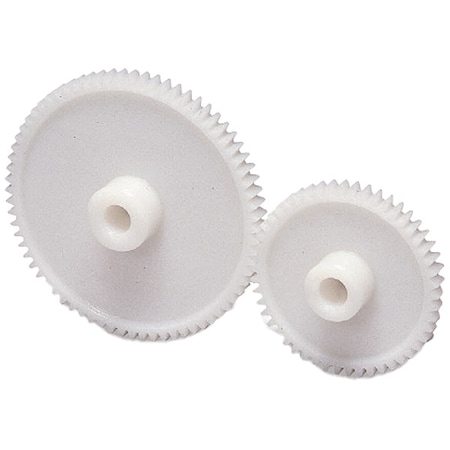
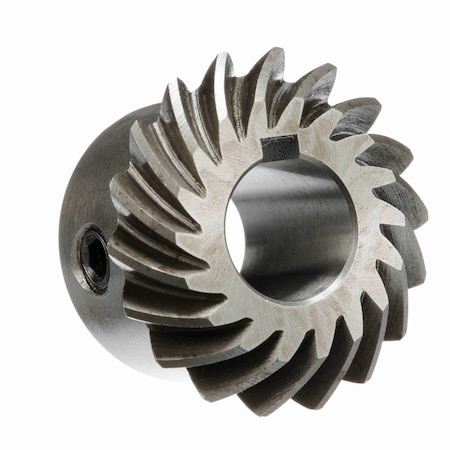
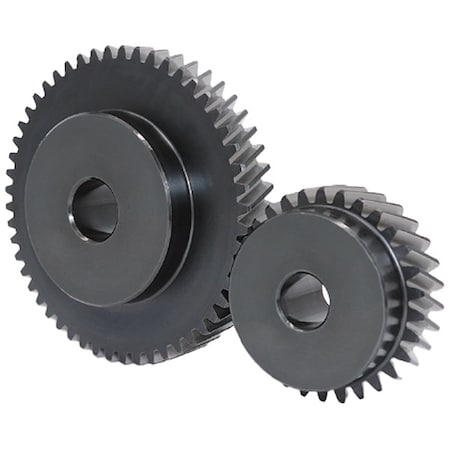
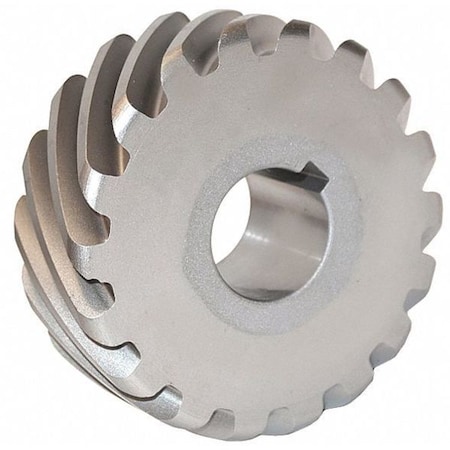
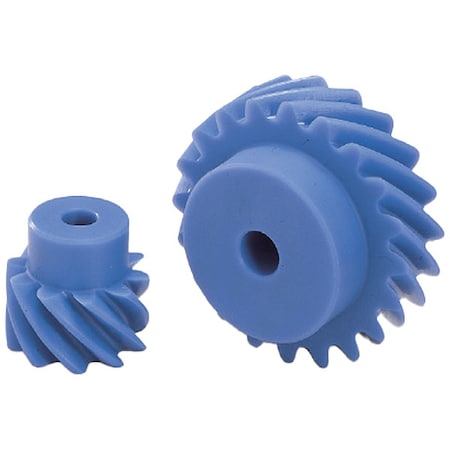
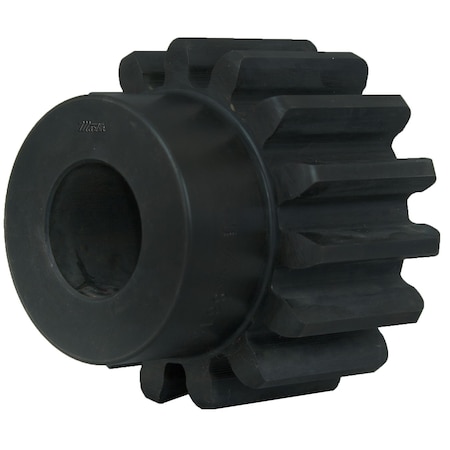
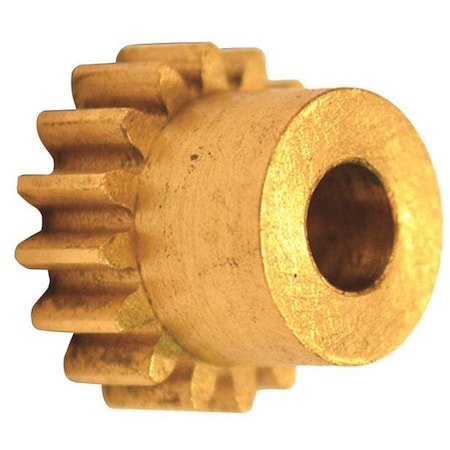
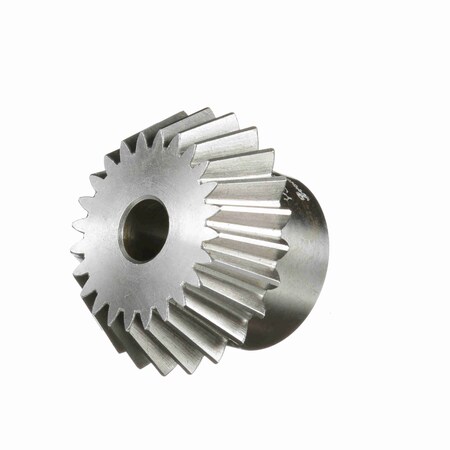
Spur gears have straight teeth that mesh directly, providing rotation in a single plane. Helical gears, on the other hand, have angled teeth, resulting in smoother and quieter operation. Helical gears can transmit higher loads and are often used in high-speed applications.
Regular maintenance is vital to ensure longevity and optimal performance of gears and gear racks. This includes periodic inspection for wear or damage, proper lubrication to reduce friction, and protection from contaminants. Proper alignment and mounting are also crucial to prevent excessive noise or vibration.