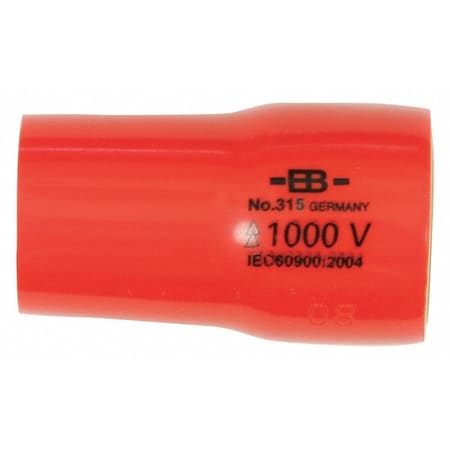
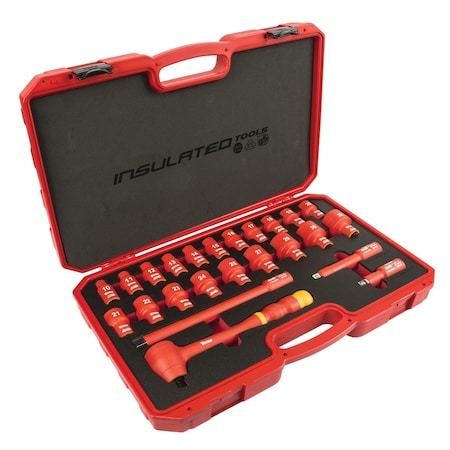
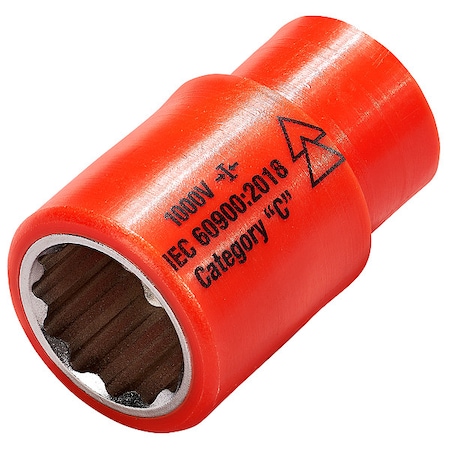
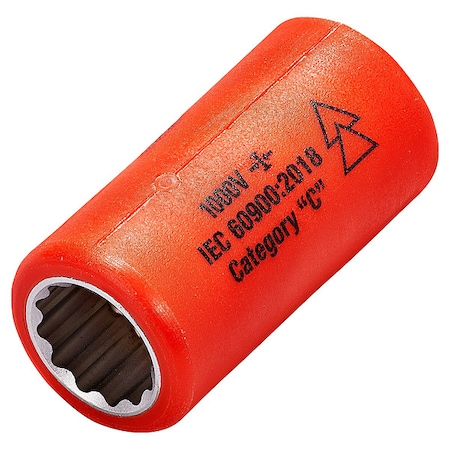
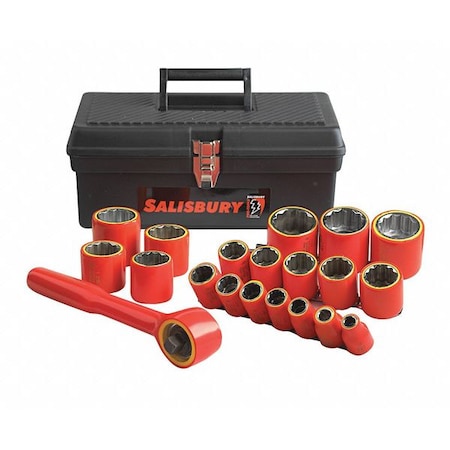
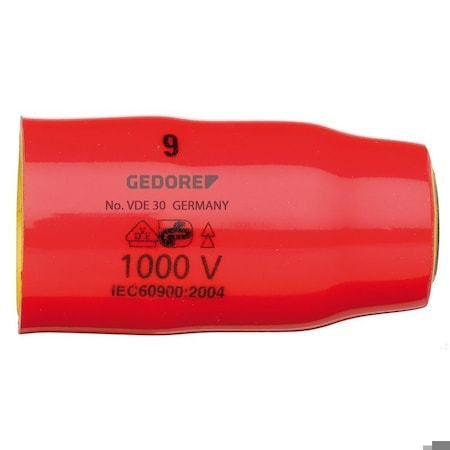
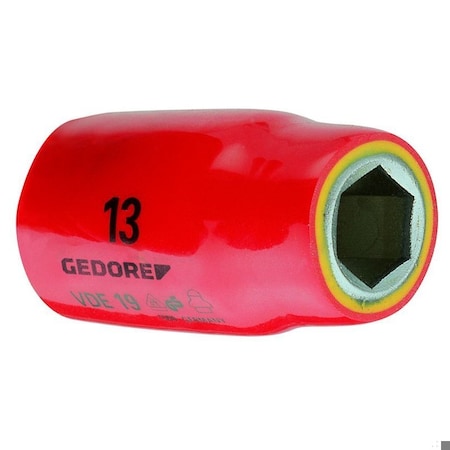
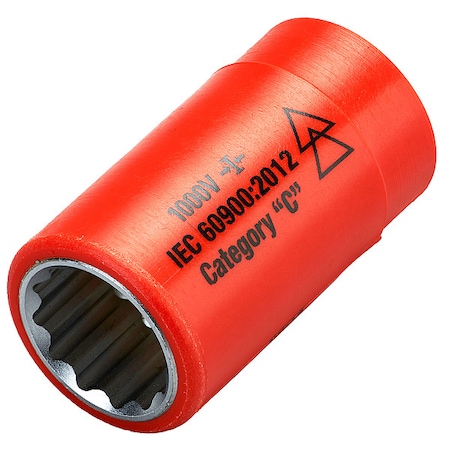
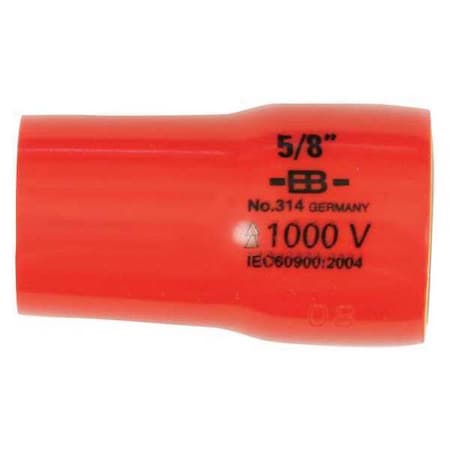
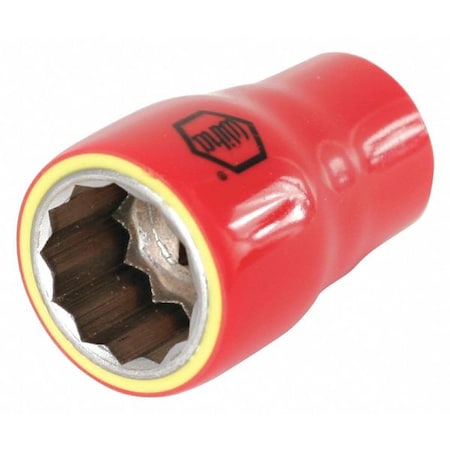
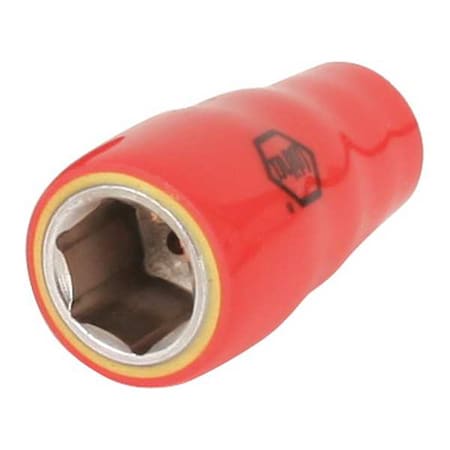
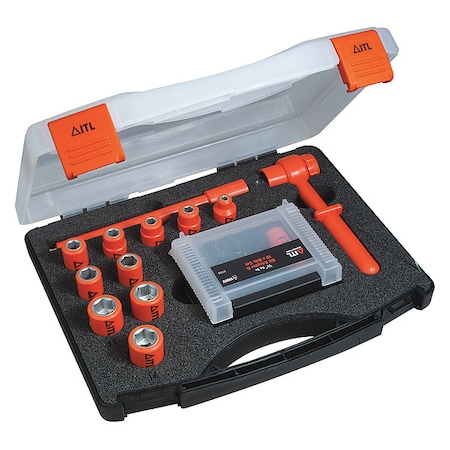
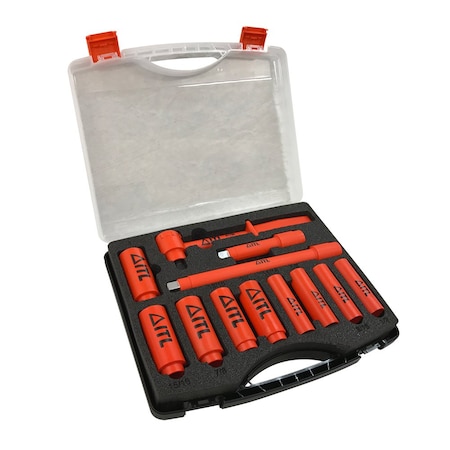
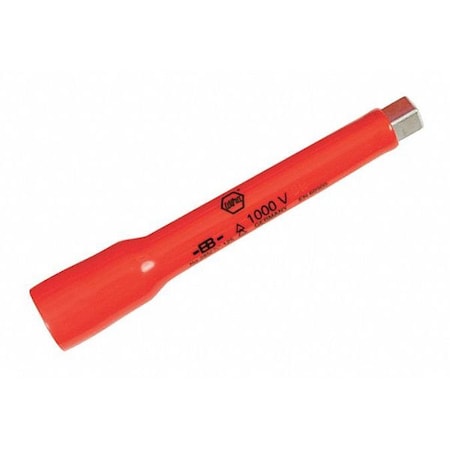
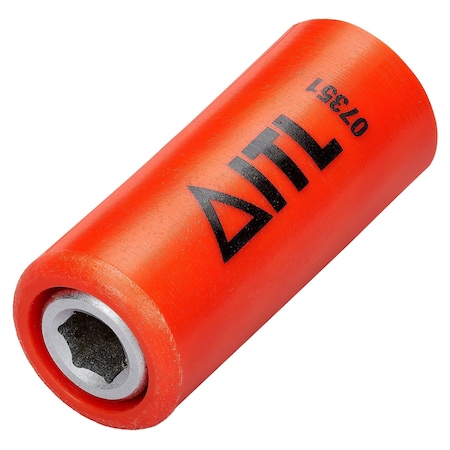
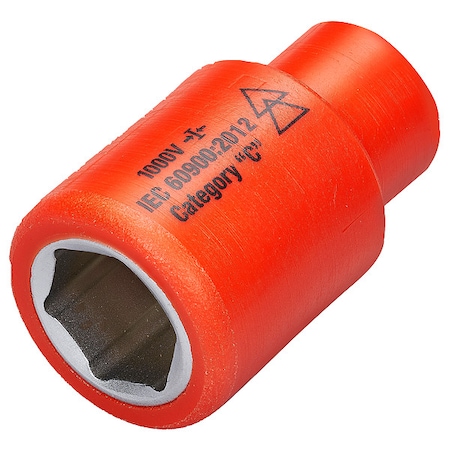
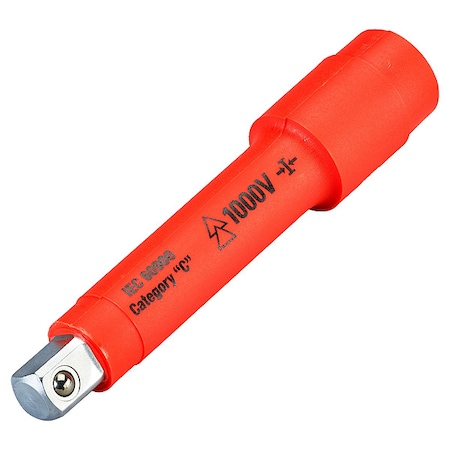
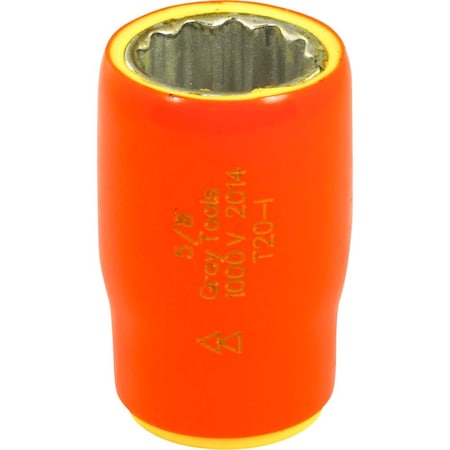
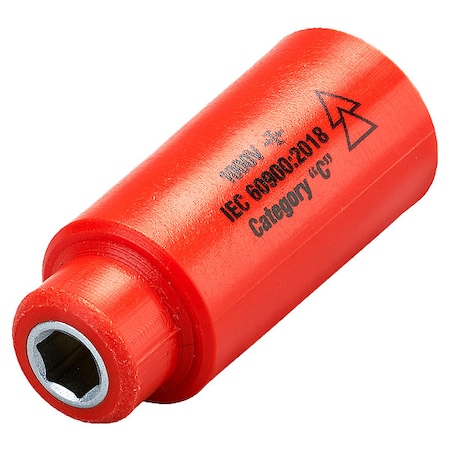
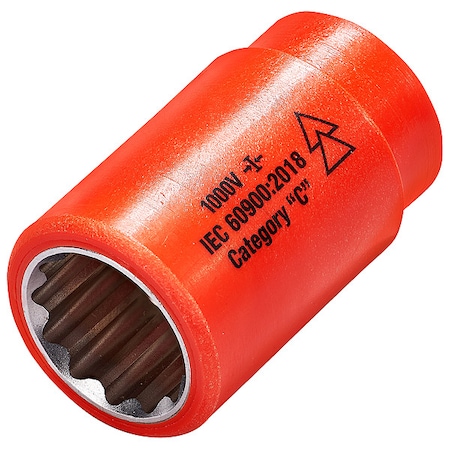
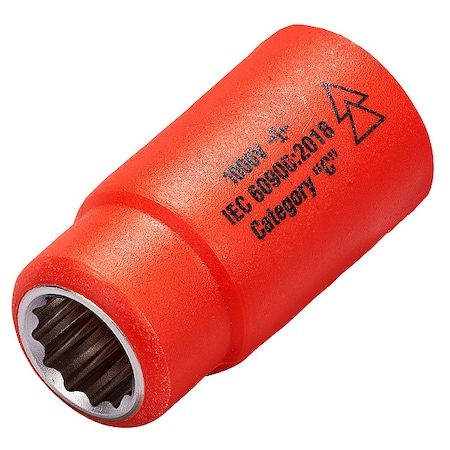
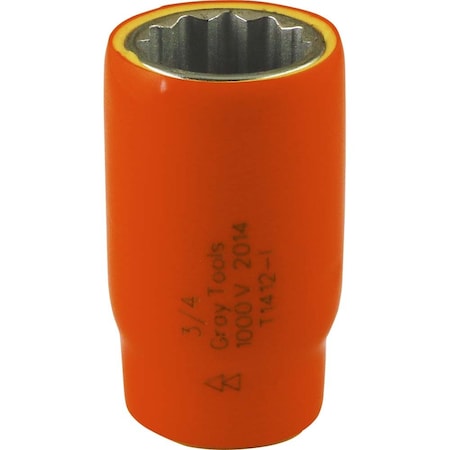
Insulated sockets provide a crucial safety measure for electrical work by offering protection against electrical shock. These sockets are engineered with insulation materials to safeguard users from potential electrical hazards when working on live circuits or near-energized components. Available in various drive sizes, such as 1/2, 3/8, and 1/4 inches, they cater to different torque requirements and fitment needs. Additionally, they come in both SAE and Metric measurements, ensuring compatibility with a wide range of fasteners commonly encountered in electrical applications. Their design often incorporates a VDE hexagon socket type, enhancing safety and ensuring a secure grip on fasteners. Insulated sockets prevent accidents and ensure a secure working environment in electrical maintenance and repair tasks by isolating the user from electrical currents.
Frequently Asked Questions
Insulated sockets are hand tools designed to protect the user from electrical shock when working with live circuits. They feature an insulating material around the handle and neck, which prevents current from passing through the user's hand.
Insulated sockets are typically made of high-quality plastic materials such as nylon or fiberglass. These materials provide excellent electrical insulation properties, ensuring user safety.
The primary difference lies in safety. Insulated sockets are designed to protect users from electrical shock, while non-insulated sockets don't provide any protection. Non-insulated sockets should only be used by qualified electricians in controlled environments.
Insulated sockets must comply with rigorous safety standards to ensure they provide adequate protection to users. Common certifications include ASTM F1505, IEC 60900, and VDE 0680-5.