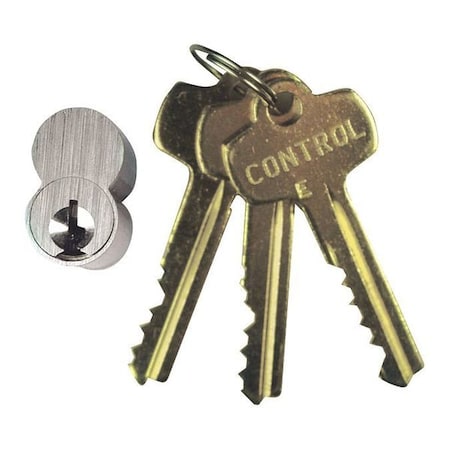
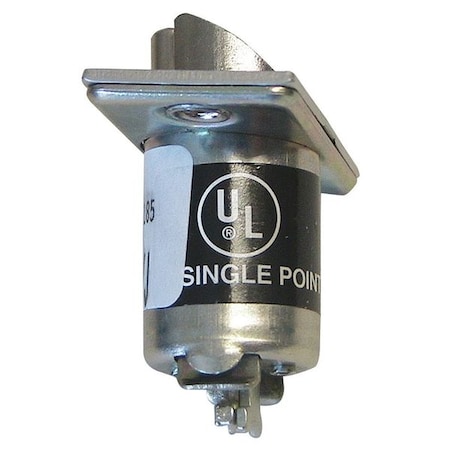
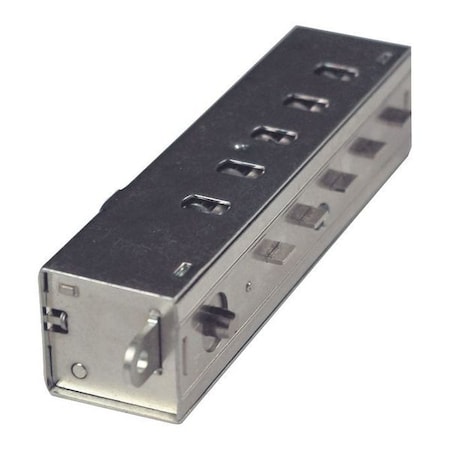
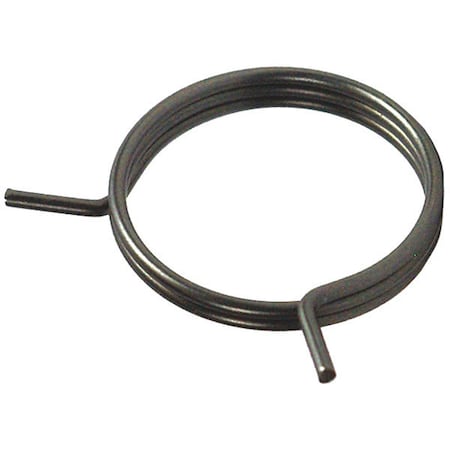
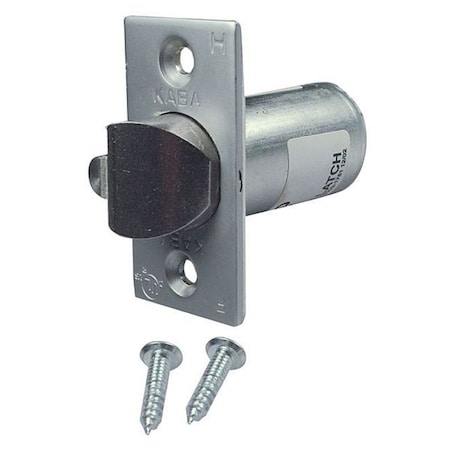
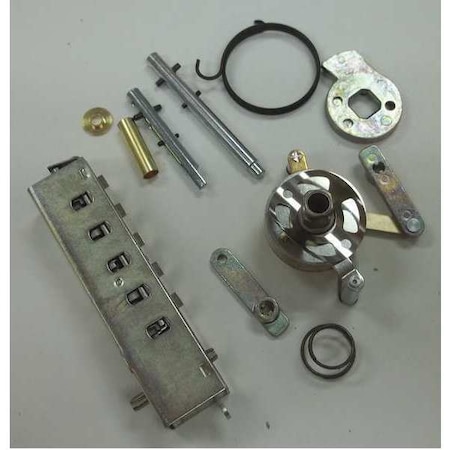
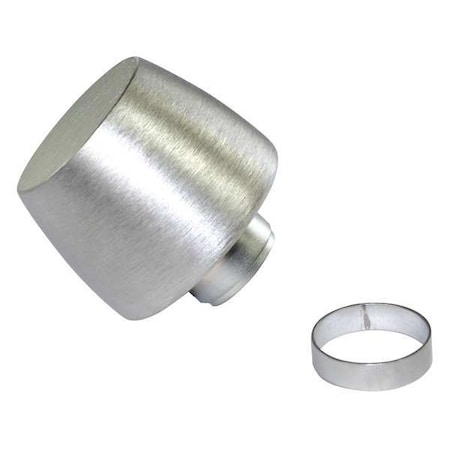
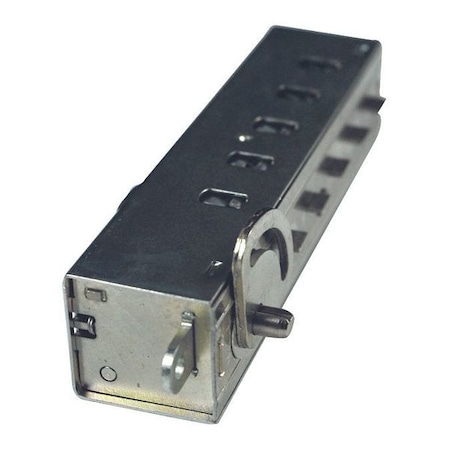
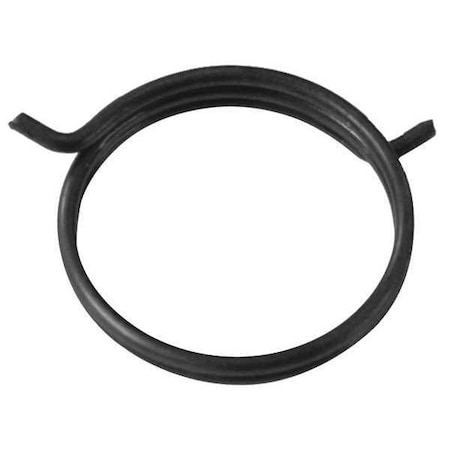
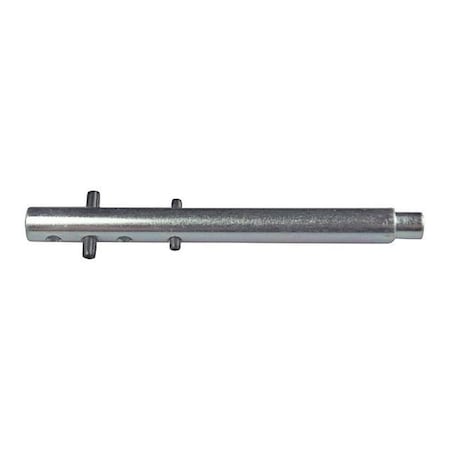
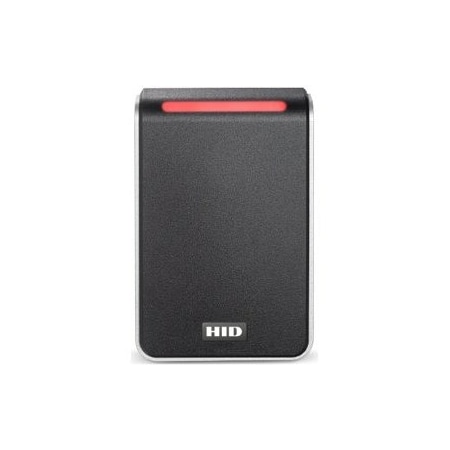
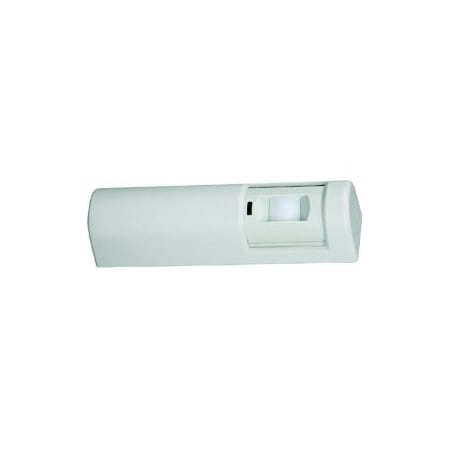
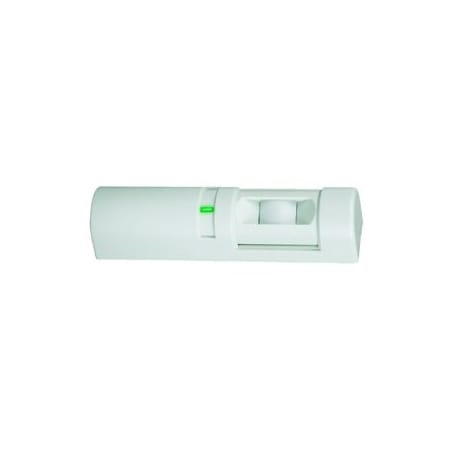
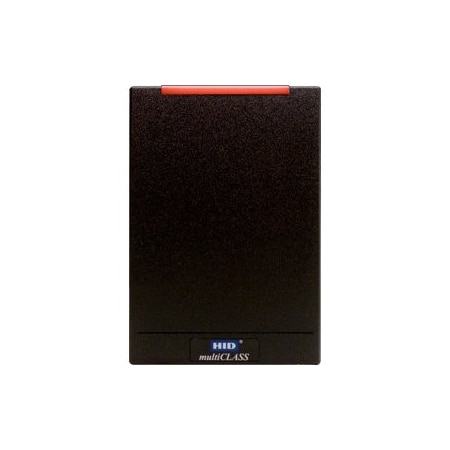
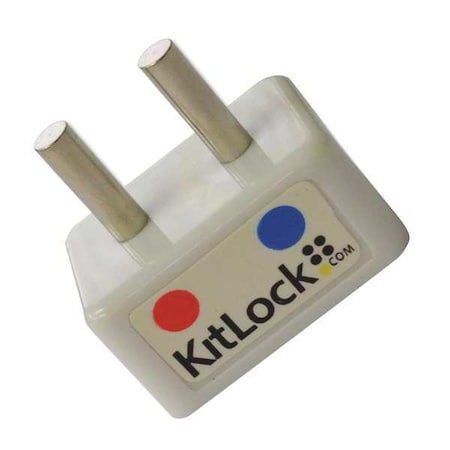
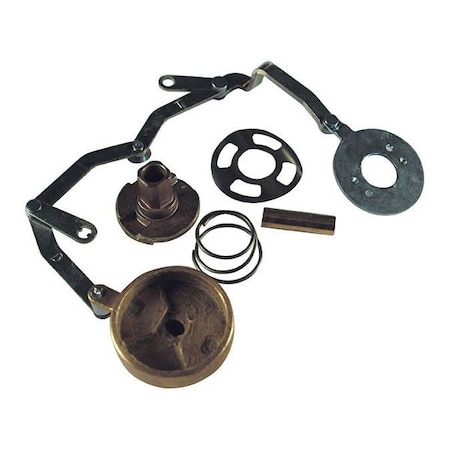
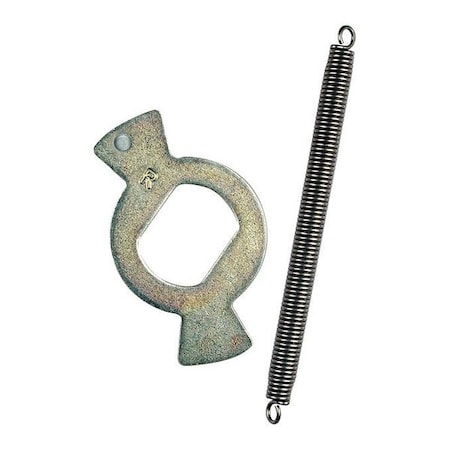
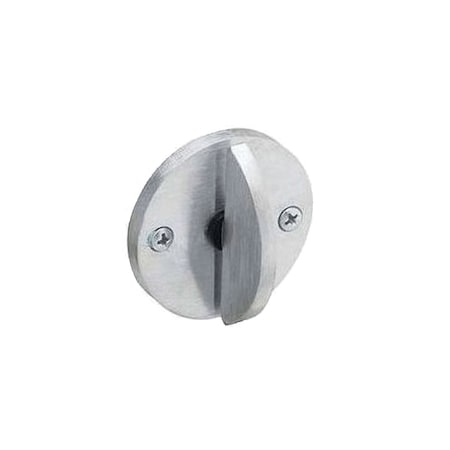
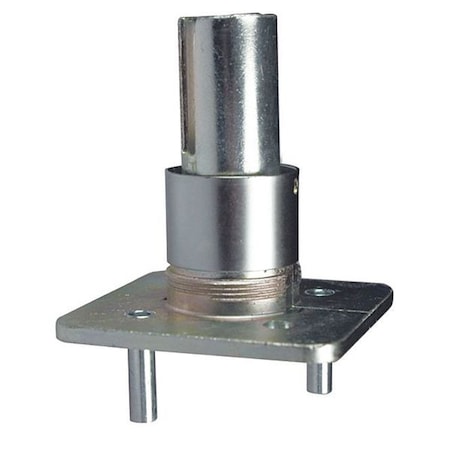
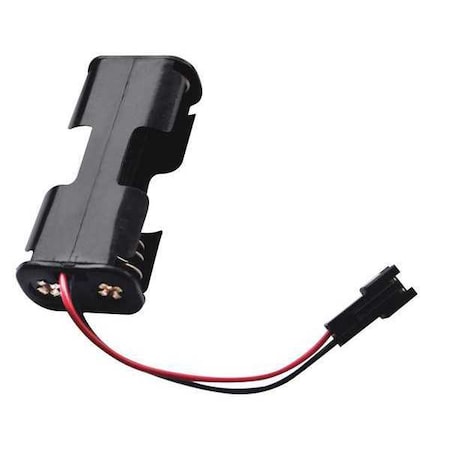
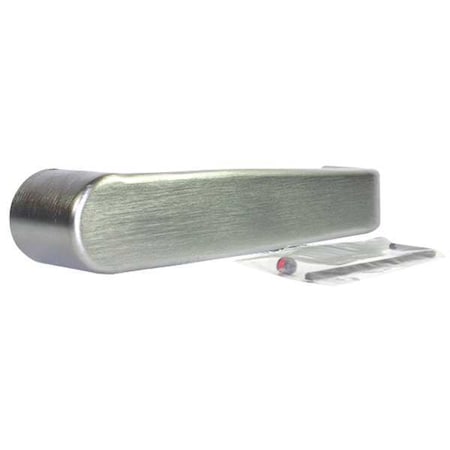
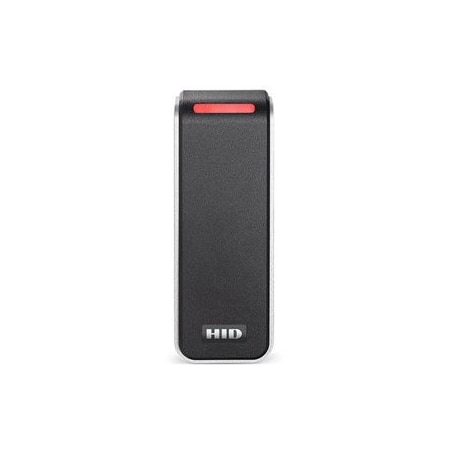
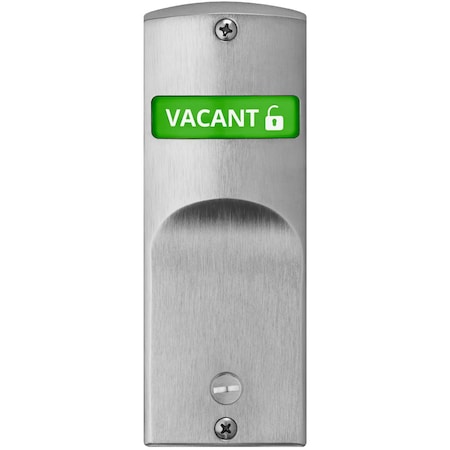
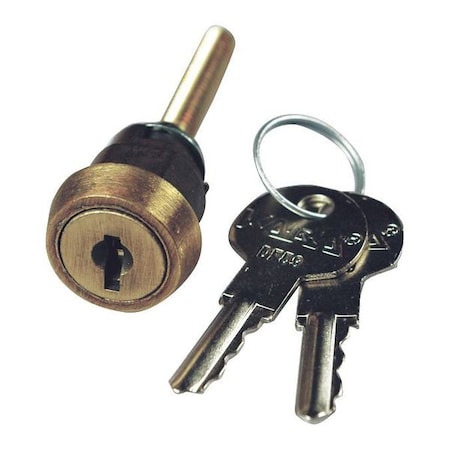
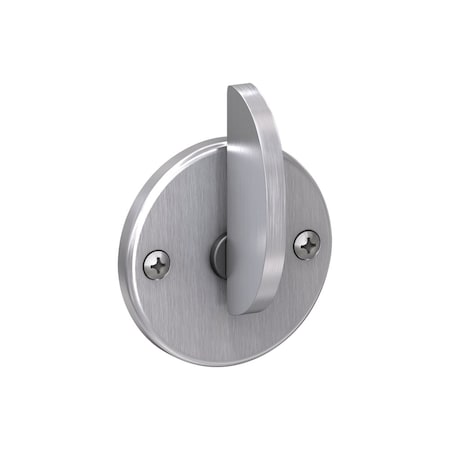
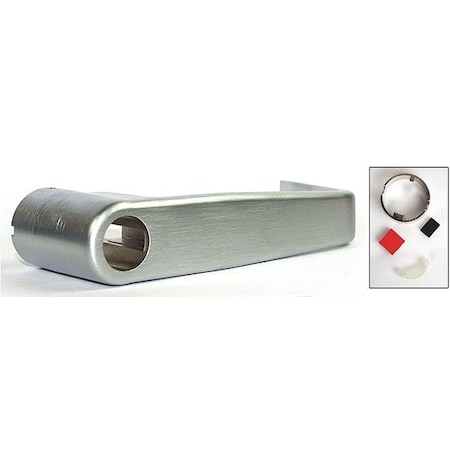
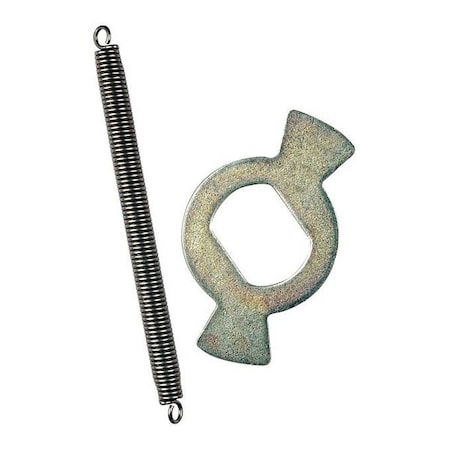
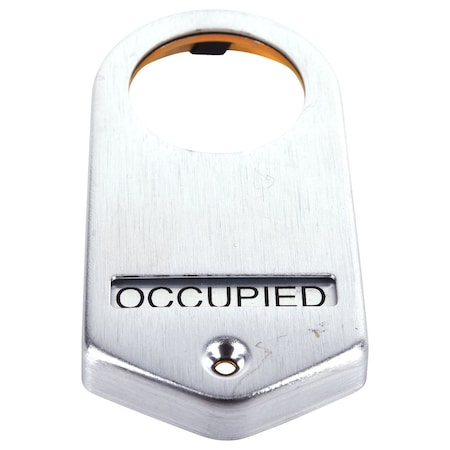
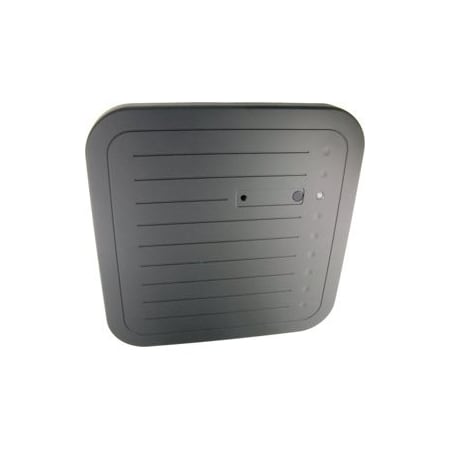
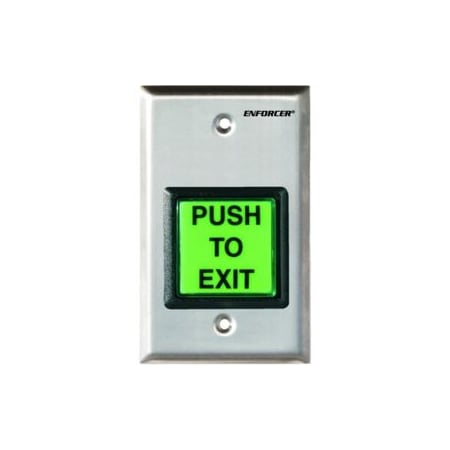
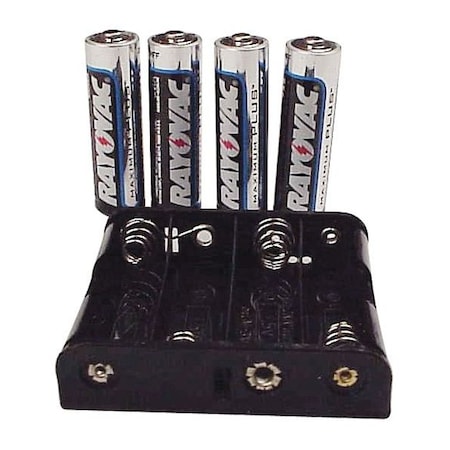
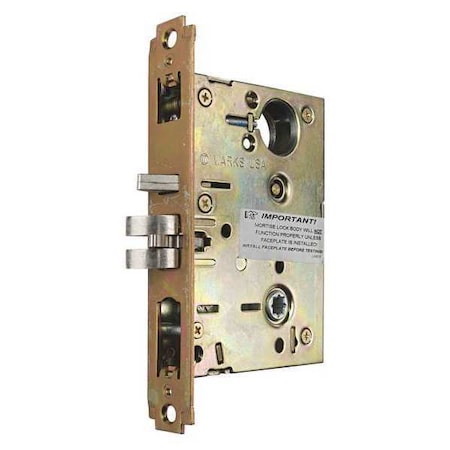
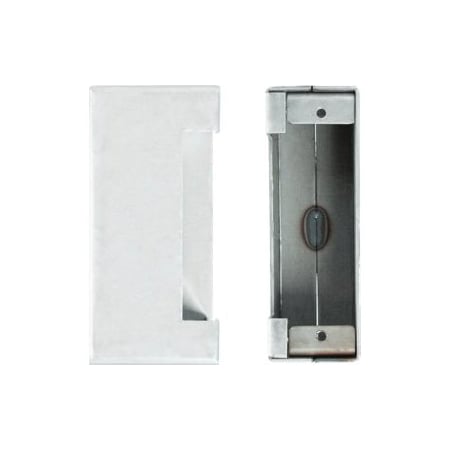
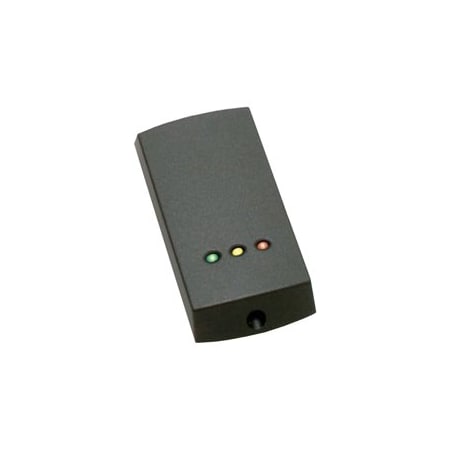
Keyless lock systems typically consist of electric locking mechanisms contained within housings that include a keypad. Often times, the combination for these locking systems is determined or reset by the user with each use, or at intervals as determined by the user, thereby eliminating reliance on keys. These systems provide a great alternative to their keyed counterparts, so keep them functioning with keyless lock parts such as combination chambers, clutch assemblies, outside housing assemblies and more. Items vary by compatibilities, inclusions and other considerations. For alternative combination lock solutions, see our combination padlocks.
Frequently Asked Questions
The primary keyless lock types are: Mechanical keyless locks: Opened with a key, but without traditional pins or tumblers. Electromagnetic locks: Utilize an electric current to hold a door securely shut. Smart locks: Operate via Bluetooth, Wi-Fi, or a keypad.
Consider these features: Keypad or touch screen: For convenient code entry. Fingerprint scanner: For biometric security. Remote access: To lock or unlock your door from anywhere. Compatibility with smart home systems: For integration with other devices.
Keyless lock installation typically involves these steps: Read the manufacturer's instructions carefully. Remove the existing lock and strike plate. Install the new strike plate. Mount the lock body. Connect the wires. Securely fasten the lock and keypad.
Common issues and solutions for keyless locks include: Dead batteries: Replace the batteries. Lock not responding: Check the wiring connections. Keypad not working: Clean the keypad contacts. Code not accepted: Reset the code according to the manufacturer's instructions.