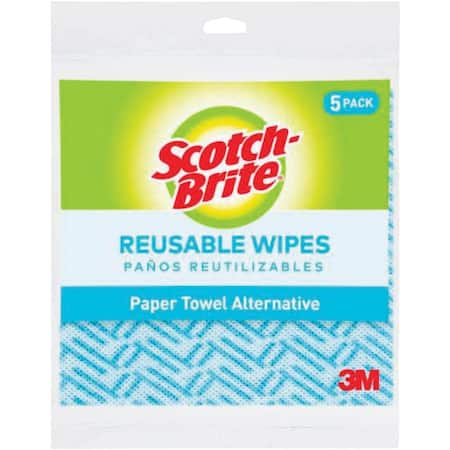
The best material for your kitchen towels and dishcloths depends on your specific needs. Cotton is a popular choice because it is absorbent, durable, and relatively easy to clean. Microfiber is another good option as it can absorb up to seven times its weight in water, is quick-drying, and can be washed at high temperatures. If you are looking for a more eco-friendly option, bamboo is a biodegradable and naturally antibacterial material.
Kitchen towels come in a variety of sizes, materials, and styles. The most common types include dishcloths, which are small, square-shaped cloths that are typically used for wiping up spills or cleaning dishes; tea towels, which are larger and more absorbent, and are often used for drying dishes or wiping down countertops; and bar towels, which are long and narrow and are often used for drying glasses or cleaning up spills at a bar.
Kitchen towels and dishcloths should be washed regularly to prevent the buildup of bacteria. Dishcloths should be washed after each use, while kitchen towels can be washed after several uses, or as needed. To wash your kitchen towels and dishcloths, use hot water and a mild detergent. You can also add a cup of white vinegar to the wash cycle to help kill bacteria and remove odors.
Absorbent kitchen towels and dishcloths are essential for any kitchen. They can be used for a variety of tasks, such as wiping up spills, drying dishes, and cleaning countertops. Absorbent kitchen towels and dishcloths are also more effective at removing bacteria than non-absorbent cloths.