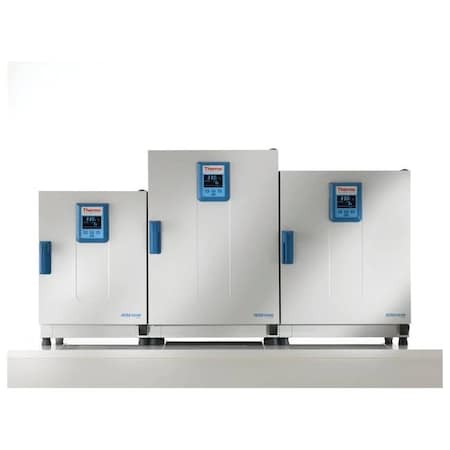
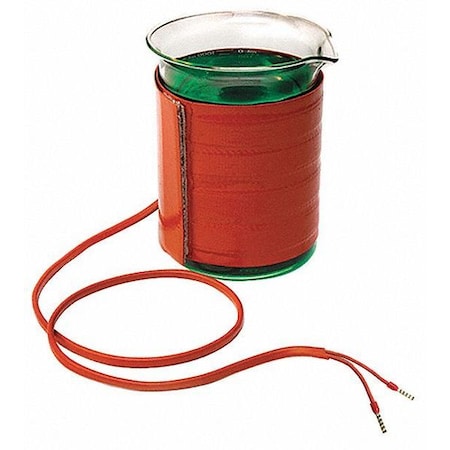
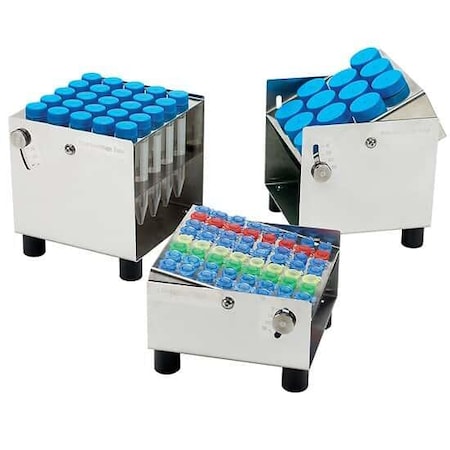
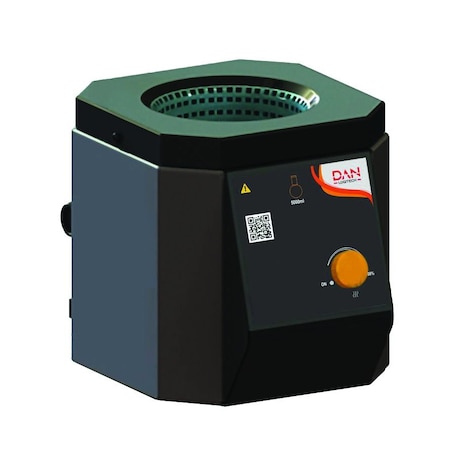
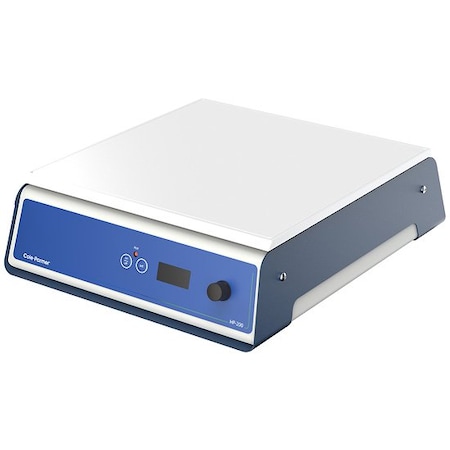
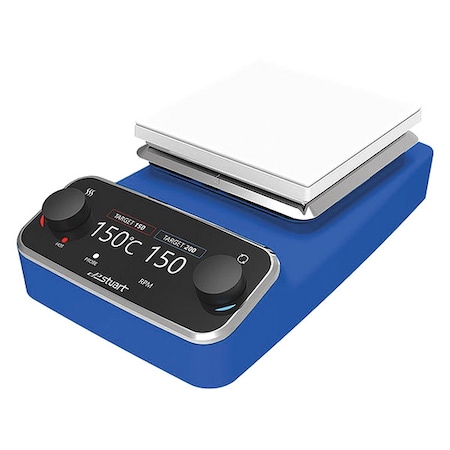
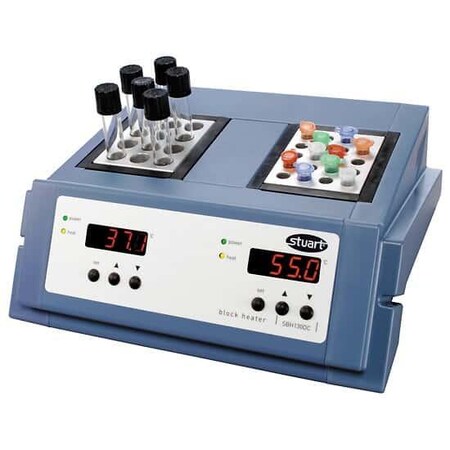
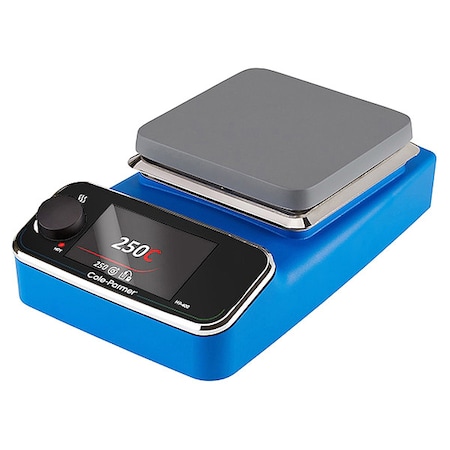
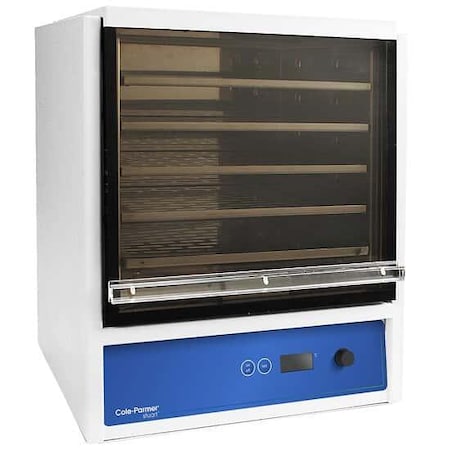
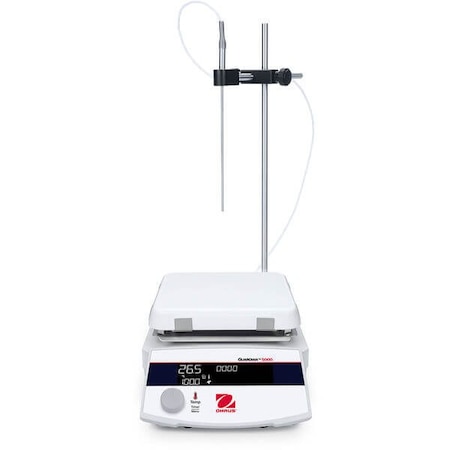
The three most common types of lab heaters are dry bath heaters, heat blocks, and hot plates. Dry bath heaters are ideal for heating samples in tubes and vials, while heat blocks are suitable for heating samples in microplates. Hot plates provide a flat surface for heating glassware or other materials.
Consider factors such as temperature range, sample size, and the type of samples you will be heating. If you need high temperatures, a hot plate might be the best choice. For precise temperature control, a dry bath heater would be suitable. If you need to heat multiple samples simultaneously, a heat block would be ideal.
Always wear appropriate personal protective equipment (PPE) when handling hot equipment. Keep the heater away from flammable materials and liquids. Ensure proper ventilation in the lab to avoid the accumulation of harmful fumes or gases.
Regular maintenance and calibration are crucial to ensure accurate and safe operation. Clean the heater regularly, check the temperature sensor for accuracy, and follow the manufacturer's instructions for calibration. Proper maintenance can prolong the heater's life and enhance its performance.