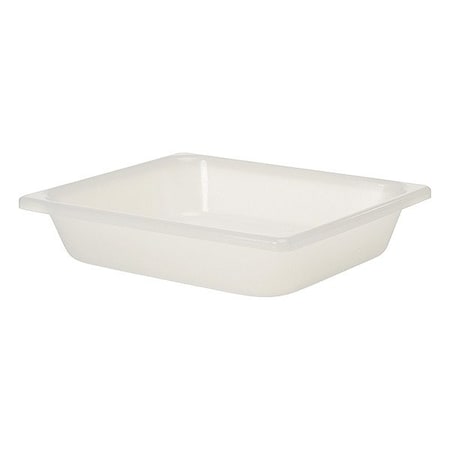
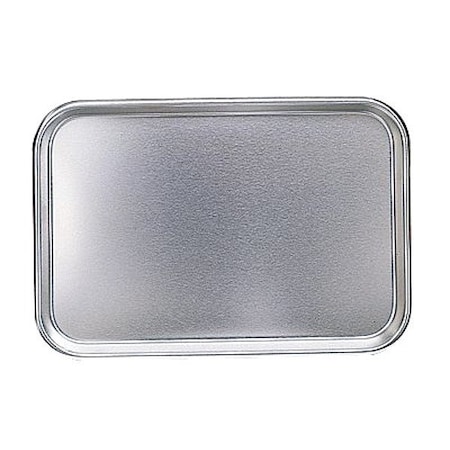
Use of lab pans and trays in laboratories, medical, and research facilities is critical to ensure safe handling and transport of sensitive samples, specimens, and chemicals between work stations and storage. Containment utility trays are ideal for countertop use to contain small spills. Laboratory trays are durable and chemical-resistant. Trays that include a wire grid keep vessels away from spillage. In addition to pans and trays for laboratory use, Zoro has a broad selection of lab supplies, including laboratory ovens and laboratory refrigerators/freezers.
Frequently Asked Questions
Lab trays and pans come in a variety of shapes, sizes, and materials to meet the diverse needs of scientific research. Popular choices include: Dissecting trays, Embedding cassettes, Staining jars & dishes, Coplin jars, Tissue cassettes, Petri dishes, Microtome blades, Cover glass, and Microscope slides.
Lab trays and pans are typically constructed from durable materials such as stainless steel, plastic, or glass. Stainless steel offers excellent corrosion resistance and durability, while plastic is lightweight, shatter-resistant, and often disposable. Glass provides high clarity and chemical resistance.
When selecting lab trays and pans, crucial factors to consider include their intended use, the volume and type of samples being handled, the resistance to chemicals and solvents, the compatibility with laboratory equipment, and the ease of cleaning and sterilization.
Cleaning and sterilizing lab trays and pans is essential to maintain a clean and contamination-free work environment. Proper cleaning involves removing visible contaminants with a mild detergent solution. Sterilization techniques may vary depending on the material. Autoclaving is commonly used for heat-resistant materials like stainless steel, while chemical sterilization is suitable for plastics and glass.