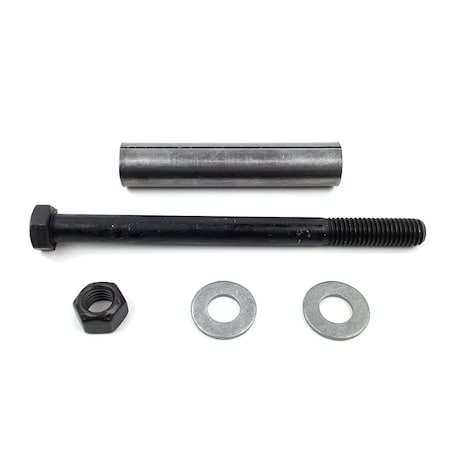
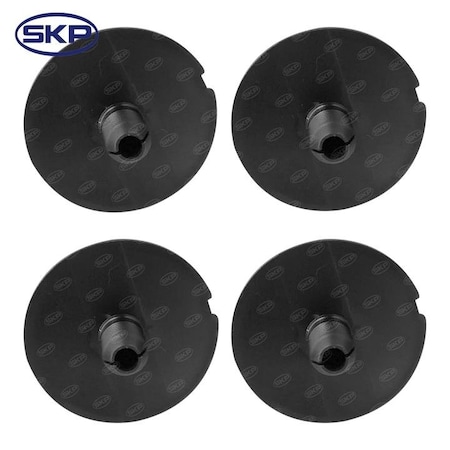
Leaf springs are curved, flat pieces of metal that attach to the frame of a vehicle and help support the weight of the vehicle. They help absorb shocks and vibrations from the road and maintain the vehicle's stability. Leaf springs are typically used in the suspension systems of trucks, trailers, and other heavy-duty vehicles.
There are several different types of leaf springs, each with its own unique characteristics. Some common types include: **Tapered leaf springs** have a thicker center and taper out towards the ends. This design provides increased strength and flexibility. **Parabolic leaf springs** have a curved shape that provides a more progressive spring rate. This means that the spring becomes stiffer as it is compressed, providing more support for heavier loads. **Multi-leaf springs** are made up of multiple layers of steel that are stacked together. This design provides increased load-bearing capacity and durability.
Leaf springs work by flexing and absorbing the energy from road bumps and vibrations. When a vehicle hits a bump, the leaf springs bend and compress, absorbing the impact. This prevents the shock from reaching the frame and body of the vehicle, providing a smoother ride. Leaf springs also help to maintain the vehicle's stability by keeping the wheels in contact with the ground. This is especially important when driving on uneven or off-road surfaces.
Leaf springs should be replaced when they become worn or damaged. Signs of wear include: **Sagging**: If the leaf springs are no longer providing enough support, the vehicle may sag in the rear. **Broken leaves**: If one or more of the leaves in the leaf spring breaks, it can reduce the spring's ability to absorb shock. **Squeaking**: Squeaking noises when driving over bumps can be a sign that the leaf springs are worn or need lubrication. **Rust**: Rust can weaken the leaf springs and make them more susceptible to failure.