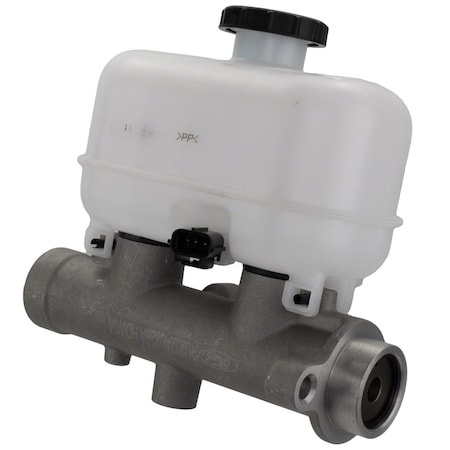
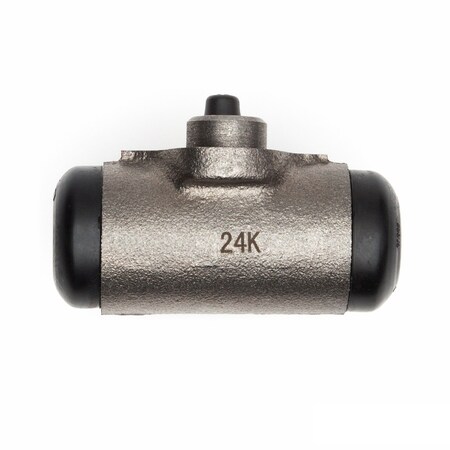
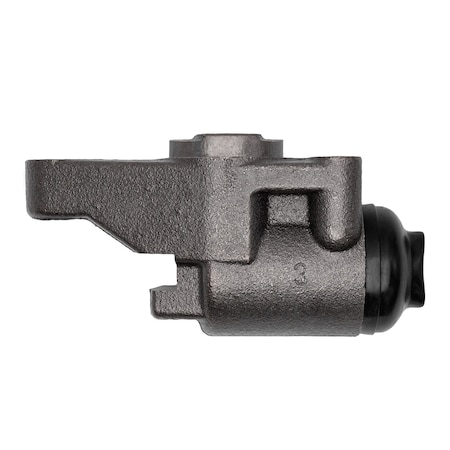
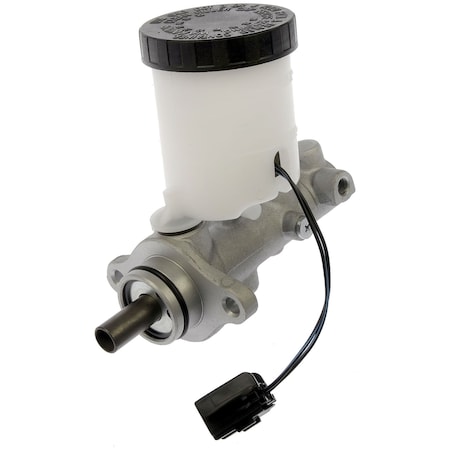
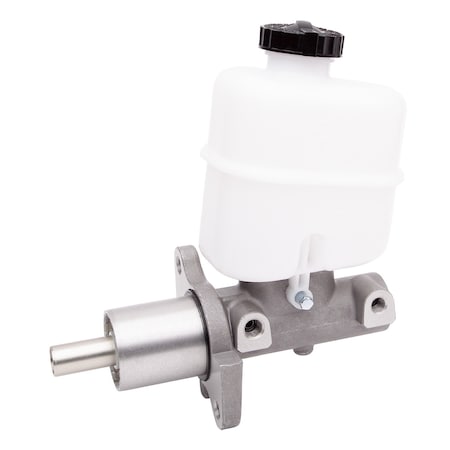
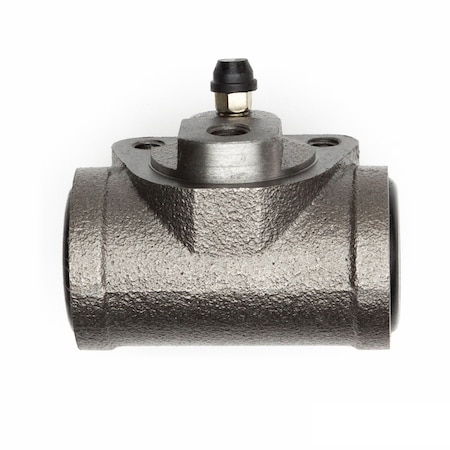
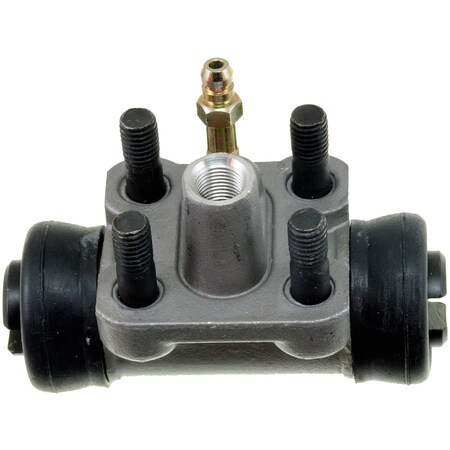
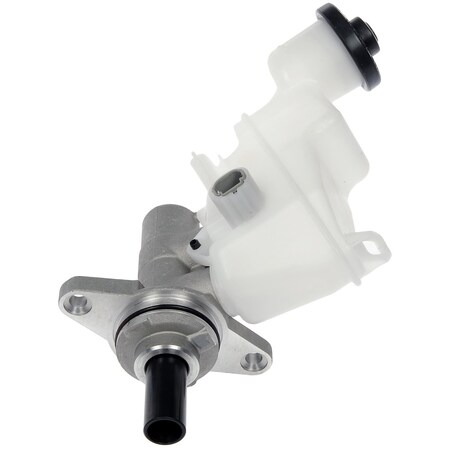
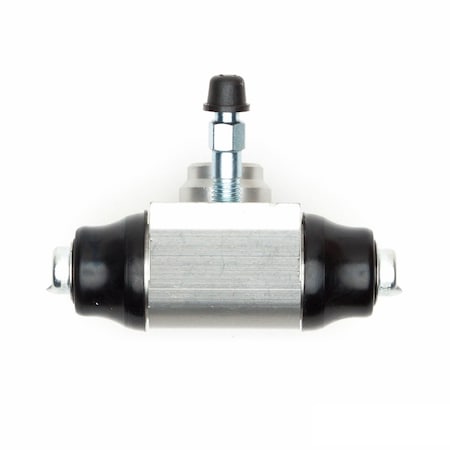
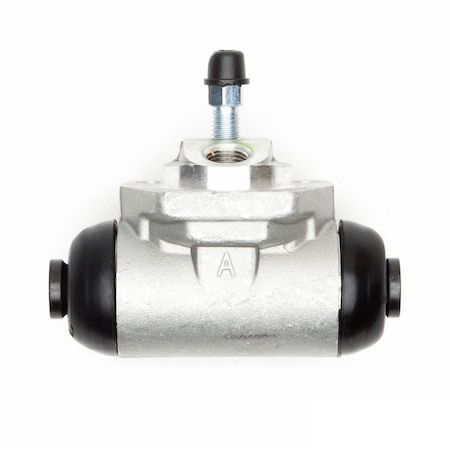
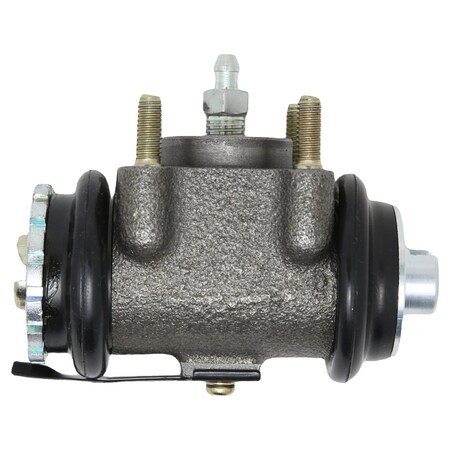
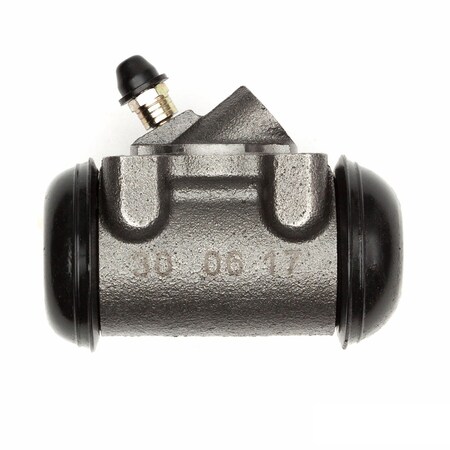
A master cylinder is a critical component of a vehicle's hydraulic brake system responsible for generating pressure in the brake lines when the brake pedal is depressed. This pressure is then transferred to the wheel cylinders or calipers, actuating the brake pads and creating friction against the brake rotors or drums, ultimately slowing down or stopping the vehicle.
Selecting the appropriate master cylinder for your vehicle involves considering several factors, including the vehicle's make, model, year, and specific brake system configuration. It is crucial to consult your vehicle's owner's manual, refer to the manufacturer's specifications, or seek guidance from a qualified automotive technician to determine the correct master cylinder compatible with your vehicle.
There are several telltale signs that may indicate a failing master cylinder. Some common symptoms include a spongy or soft brake pedal, increased brake pedal travel, brake fluid leaks from the master cylinder or nearby components, and an illuminated brake warning light on the dashboard. If you encounter any of these symptoms, it is advisable to have your vehicle inspected by a trusted mechanic promptly to diagnose and address the issue.
The replacement interval for a master cylinder can vary depending on various factors, including driving habits, environmental conditions, and the overall condition of the vehicle's braking system. Generally, it is recommended to have your master cylinder inspected regularly, typically as part of routine brake system maintenance, and replaced when necessary based on the mechanic's assessment.