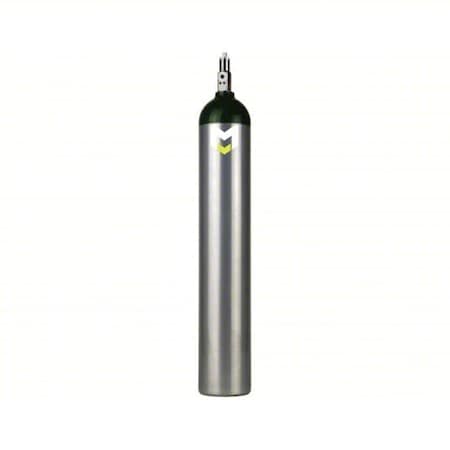
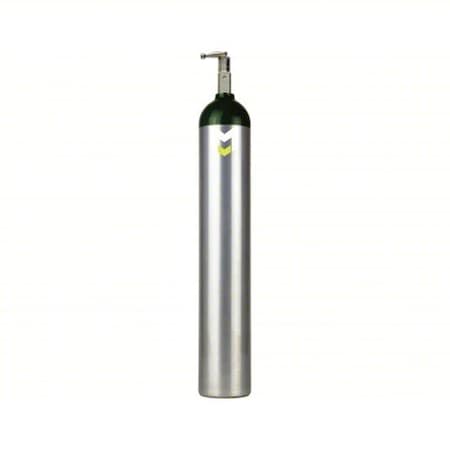
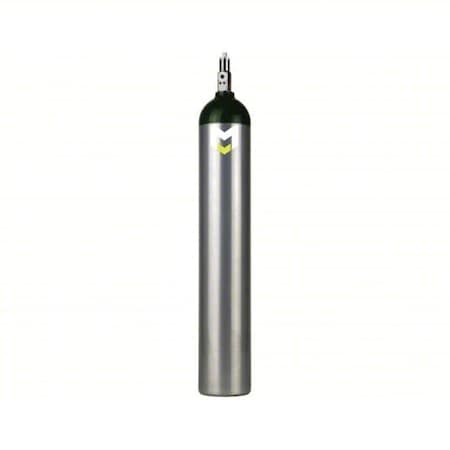
Oxygen cylinders come in different sizes measured in liters or cubic feet to suit varying oxygen demands. Smaller sizes with capacities like 2, 5, or 10 liters are ideal for portable use, while larger ones like 20, 40, or 60 liters are used in stationary setups.
Storing oxygen cylinders safely involves keeping them upright in secure locations, away from heat sources or potential ignition points. Ensure proper ventilation and avoid storing near flammable materials. Regular inspection of the cylinders' valves, gauges, and seals is crucial for maintaining their integrity.
Handling oxygen cylinders demands utmost caution. Keep them secured to prevent falling or rolling, ensuring your hands are clean before handling them. Never use oiled or greasy tools on cylinders, and refrain from smoking or having open flames around them due to the potential risk of combustion.
Yes, many oxygen cylinders are designed to be refillable. Once the oxygen supply is depleted, you can take them to authorized refilling stations or contact suppliers for refilling services. Refilling and requalifying cylinders help ensure their continued safe and optimal performance.