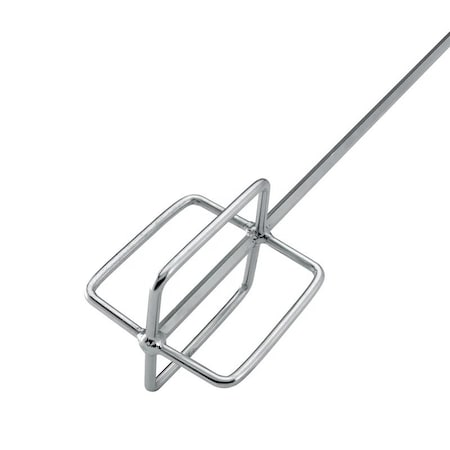
Air-operated agitators and open drum mixers are used in commercial painting, the food and beverage industry and the pharmaceutical industry to quickly and safely mix all kinds of liquids. For painters in particular, paint mixers are designed specifically for stirring large containers of paint (5 gallon containers or more), and if the paint is being applied by a sprayer, then a paint tank, or pressure pot should be used as well. For smaller quantities of paint, find paint shaker accessories like lid sealers, drying towers and pedestal bases.
Frequently Asked Questions
Powered paint mixers offer several advantages, including: increased power and speed, which allows them to handle thicker and heavier paints more efficiently; improved color mixing, as they can achieve a more thorough and consistent mix than manual stirring; greater ease of use, as they can be operated with minimal effort; and less time spent on mixing tasks, as they can complete the process significantly faster than hand mixing.
There are a variety of paint mixers available, each suited to different mixing requirements. Common types include paddle mixers, which are suitable for most painting applications; helix mixers, designed for high-viscosity paints and adhesives; prop mixers, used for large volumes of thin paints, stains, and coatings; and homogenizer mixers, ideal for blending and dispersing solids and emulsions.
Selecting the right paint mixer depends on several factors, including paint type and volume, and desired consistency. For smaller projects and thinner paints, a basic drill-mounted mixer may suffice. For larger volumes or thicker paints, a stand-alone mixer with a higher torque rating and variable speed control is recommended. Consider the paint manufacturer's recommendations and read customer reviews to make an informed choice.
When working with paint mixers, safety should be prioritized: protective gear, such as gloves and safety glasses, should always be worn. Ensure a secure connection between the mixer and power source, and never leave it unattended while operating. Avoid contact with rotating parts, keep the work area clean, provide proper ventilation, and follow all manufacturer's instructions to prevent accidents and injuries.