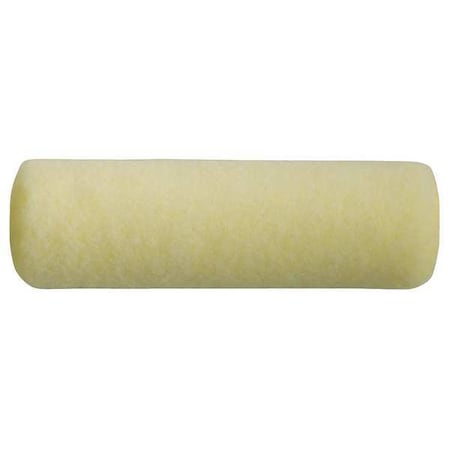
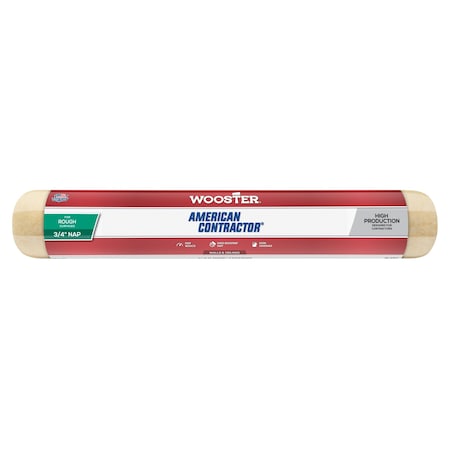
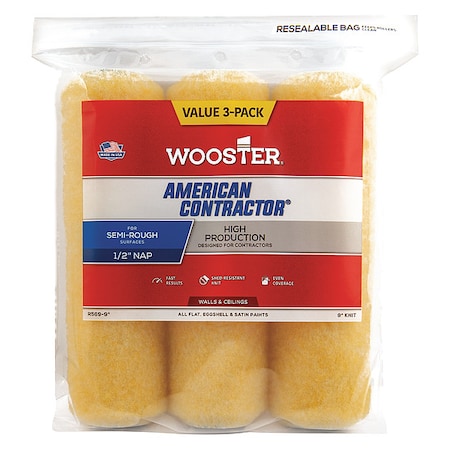
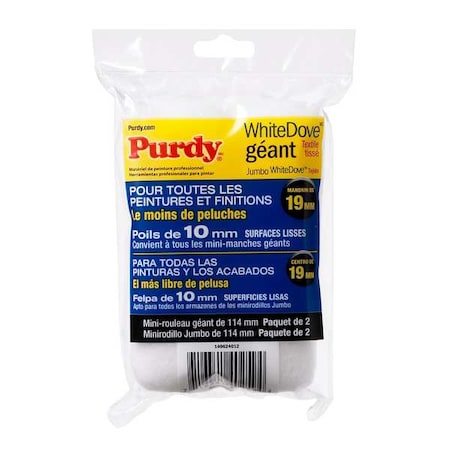
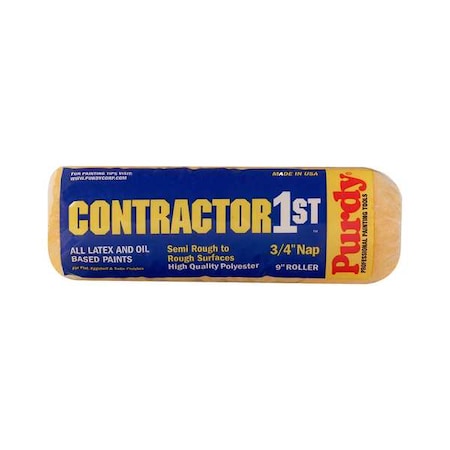
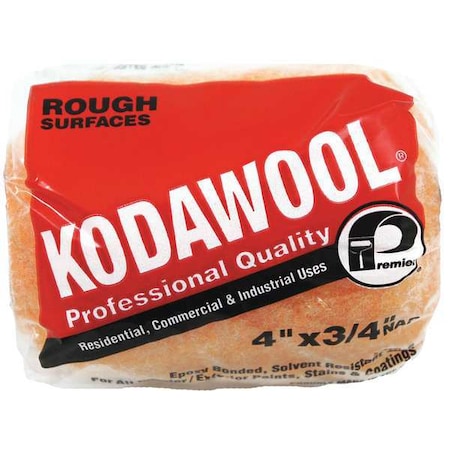
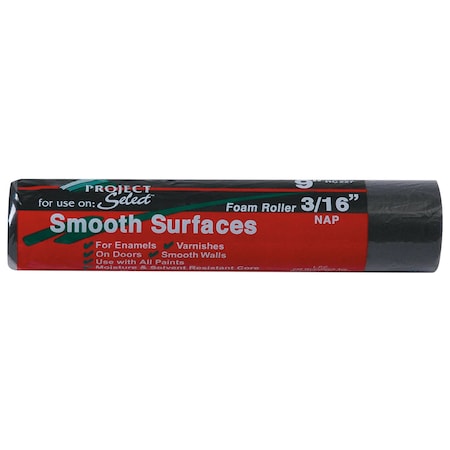
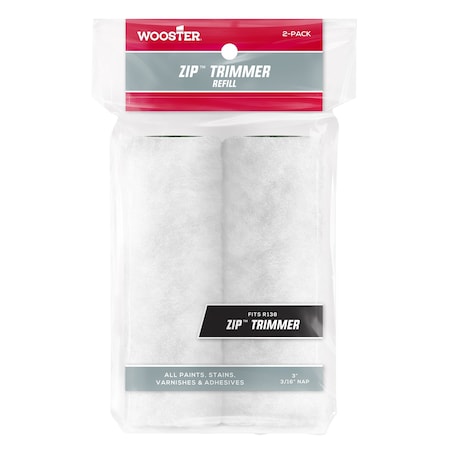
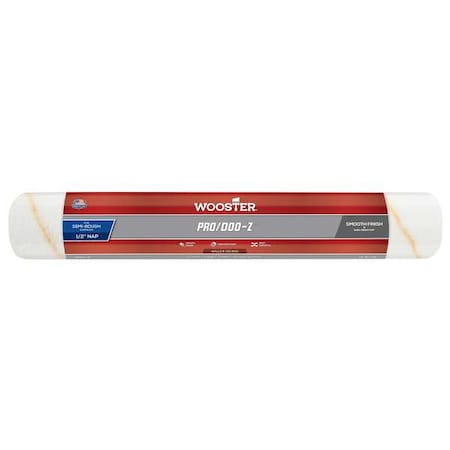
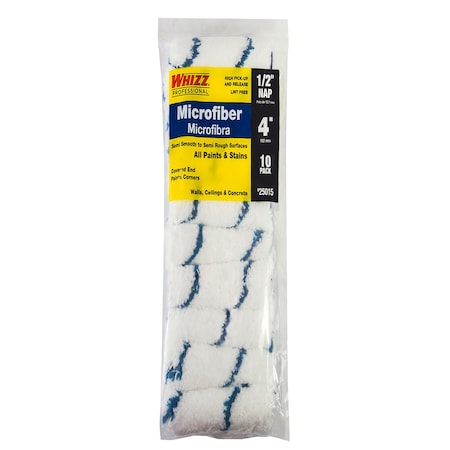
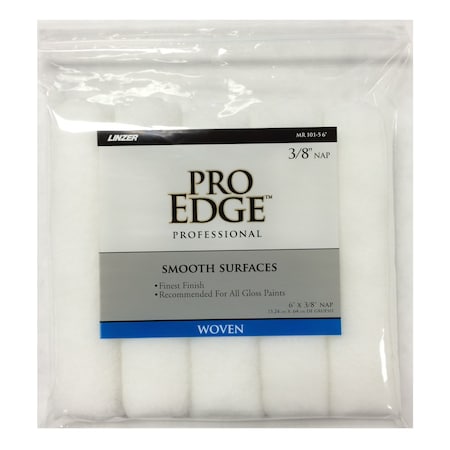
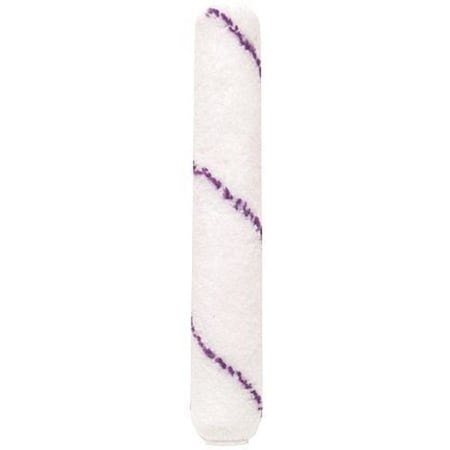
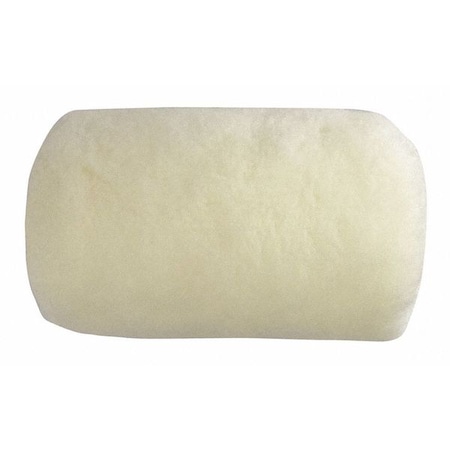
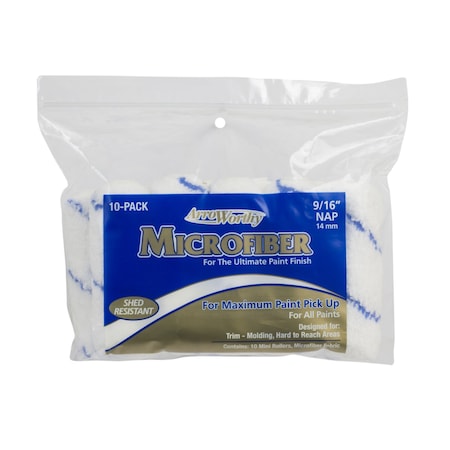
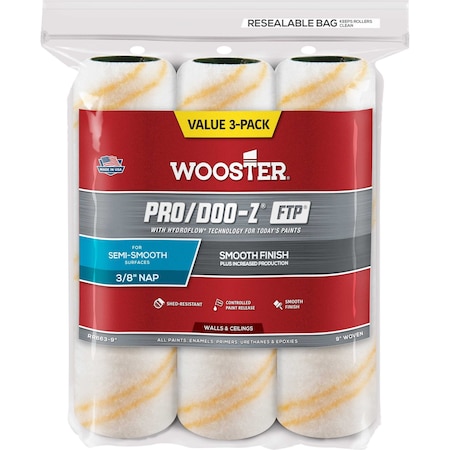
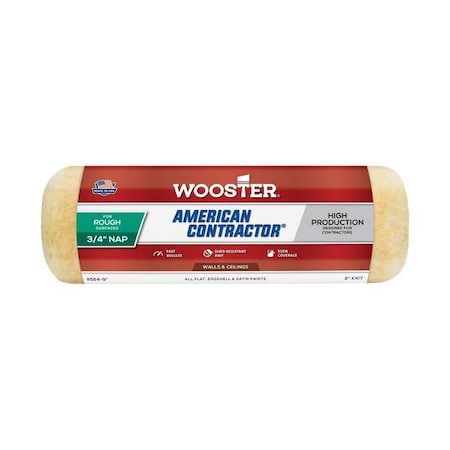
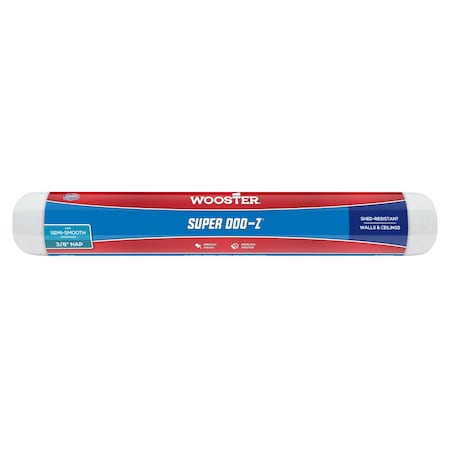
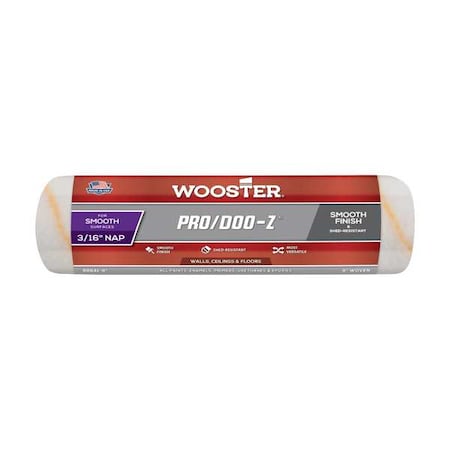
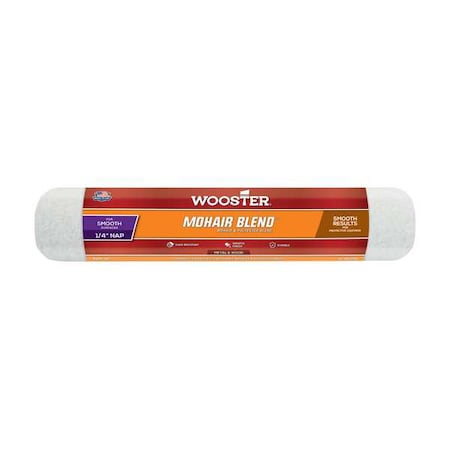
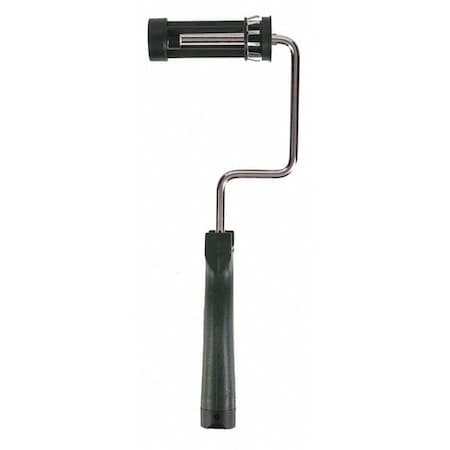
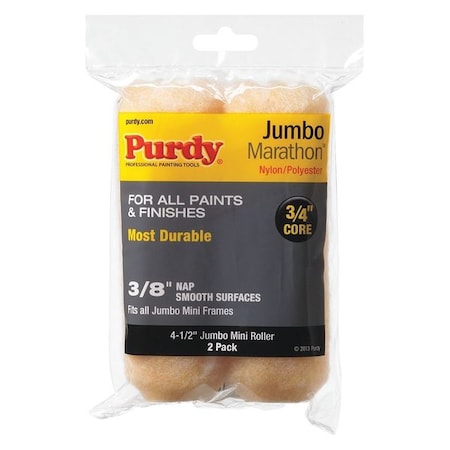
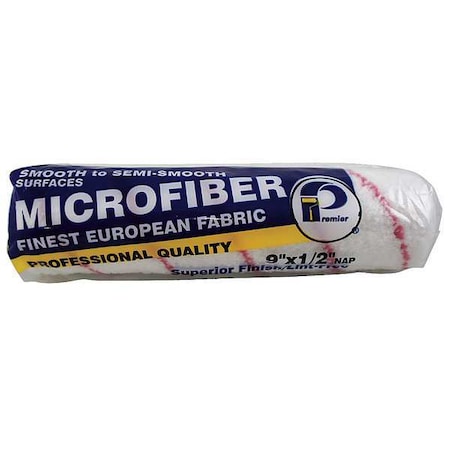
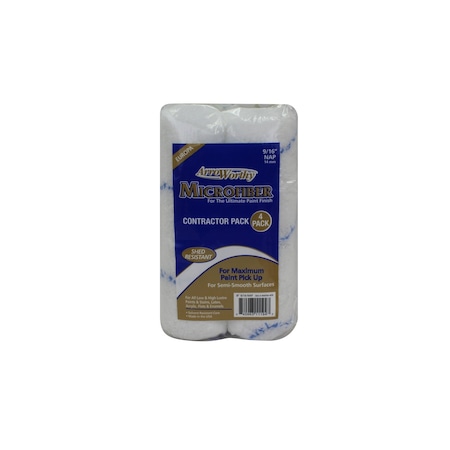
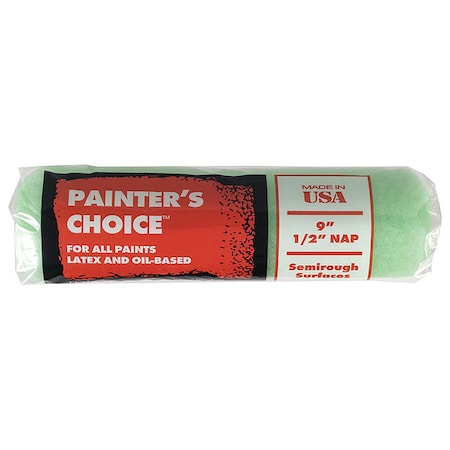
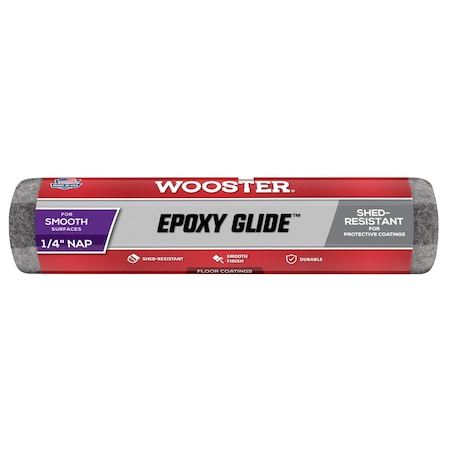
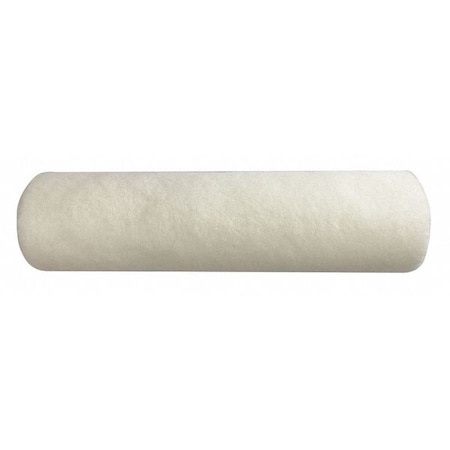
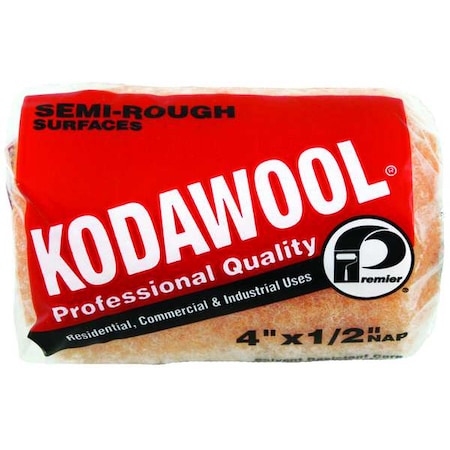
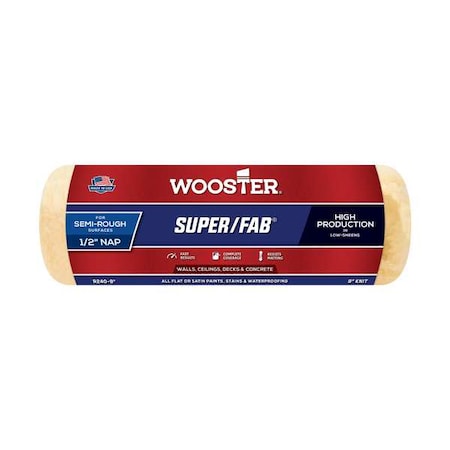
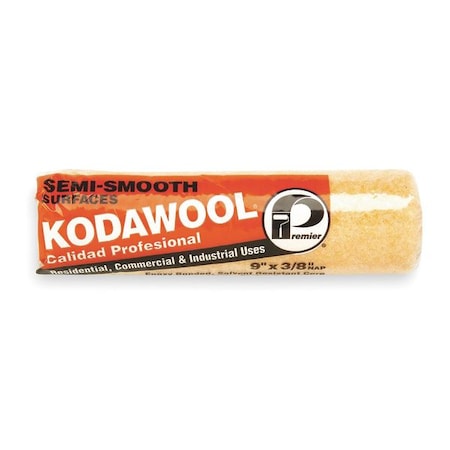
The right paint roller for your project depends on the type of paint you're using, the surface you're painting, and the desired finish. For smooth surfaces, opt for a short nap roller (1/4 inch or less). For rough surfaces or textured walls, use a longer nap roller (1/2 inch or more). For oil-based paints, choose a natural fiber roller, such as mohair or wool. For water-based paints, use a synthetic fiber roller, such as nylon or polyester.
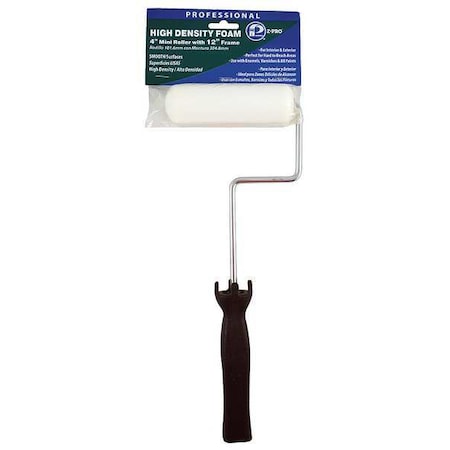
Foam rollers are made of dense foam and have a smooth surface. They are best suited for applying smooth, even coats of paint on flat surfaces. Nap rollers, on the other hand, have a raised, textured surface made of fibers or pile. They are ideal for applying paint to rough or textured surfaces, as the raised fibers help to hold more paint and create a thicker coat.
To extend the life of your paint roller, clean it thoroughly after each use. Remove excess paint by rolling it out on a piece of cardboard or newspaper. Then wash it with warm, soapy water. Rinse the roller thoroughly and allow it to dry completely before storing it. Avoid using harsh chemicals or cleaners, as they can damage the fibers of the roller.
The size of the paint roller frame you need depends on the size of the surface you're painting. For small surfaces or touch-ups, a 4-inch or 6-inch frame is sufficient. For medium-sized surfaces, such as walls or ceilings, use an 8-inch or 9-inch frame. For large surfaces, such as exterior walls or commercial buildings, opt for a 12-inch or 18-inch frame.