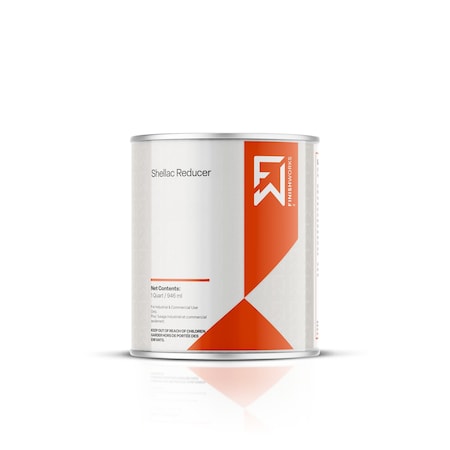
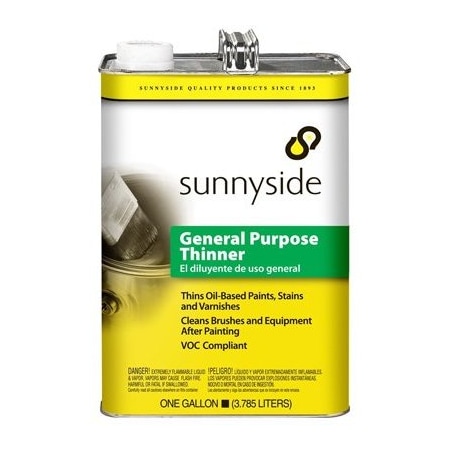
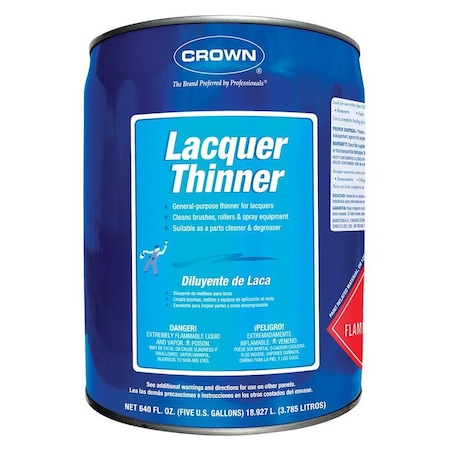
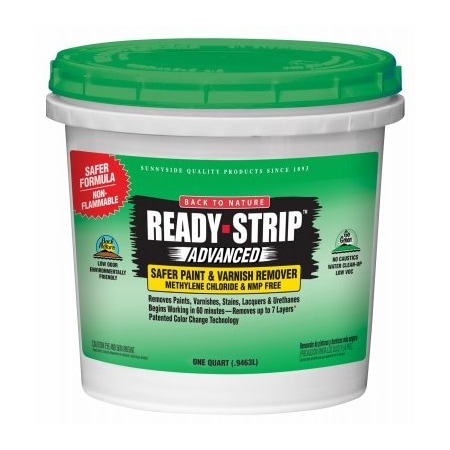
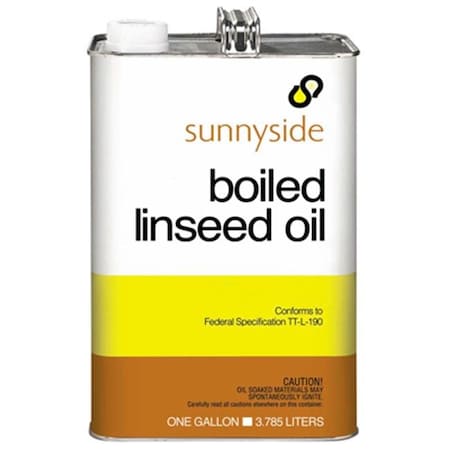
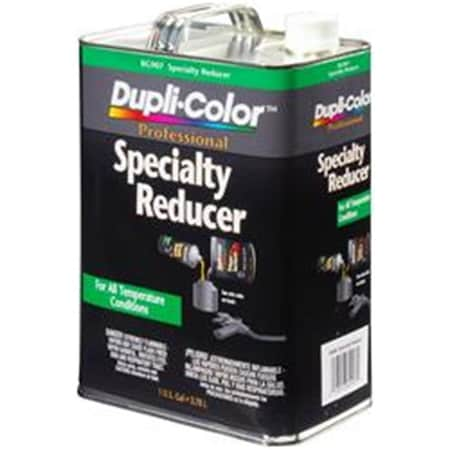
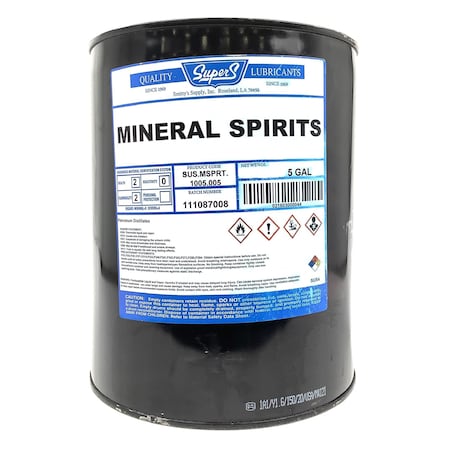
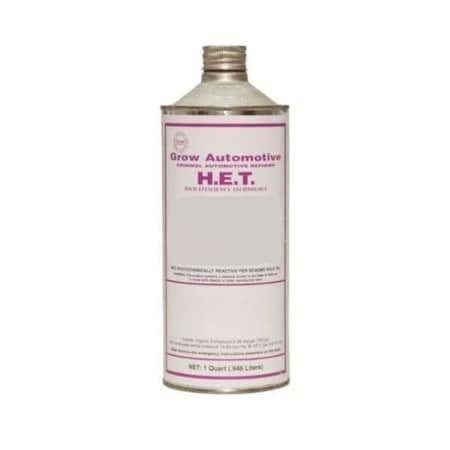
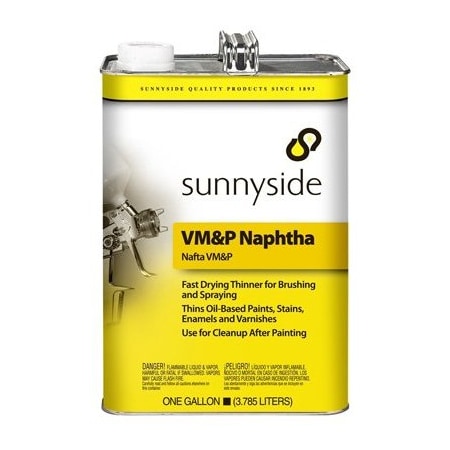
The difference between paint thinner and paint remover is that paint thinner dilutes paint, but does not remove it. However, paint thinners can compliment paint removers, making paint easier to remove. Paint thinners are made from chemical solvents to defuse paint, similar to lacquer thinners. Paint thinners are also great for cleaning up paint from floors, surfaces, and paintbrushes. You can use paint thinner to make paints spray-able, runny, or more translucent. But, for the opposite effect, try paint activators or additives to strengthen paint.
Frequently Asked Questions
Paint thinners are powerful solvents, so it's important to take precautions when using them. Ensure proper ventilation, wear protective gear such as gloves and a mask, and avoid contact with skin or eyes.
Consider the type of paint you're using. Oil-based paints require mineral spirits, while latex-based paints require water or a water-based thinner. Check the paint manufacturer's recommendations for the best thinner choice.
There are three main types of paint thinners: mineral spirits, turpentine, and water-based thinners. Mineral spirits are suitable for oil-based paints, turpentine for oil-based and alkyd paints, and water-based thinners for latex paints.
Never dispose of paint thinners down the drain or in the trash. Contact your local waste management authority for proper disposal instructions. Some communities have designated drop-off locations for hazardous materials, including paint thinners.