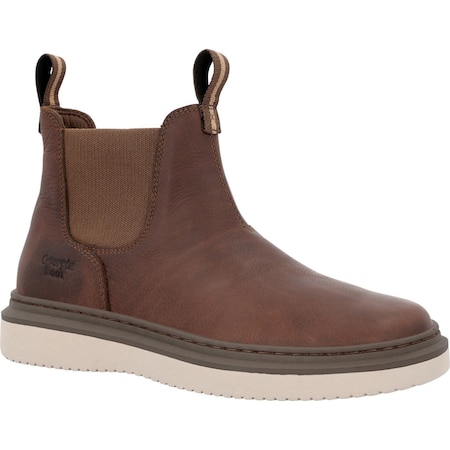
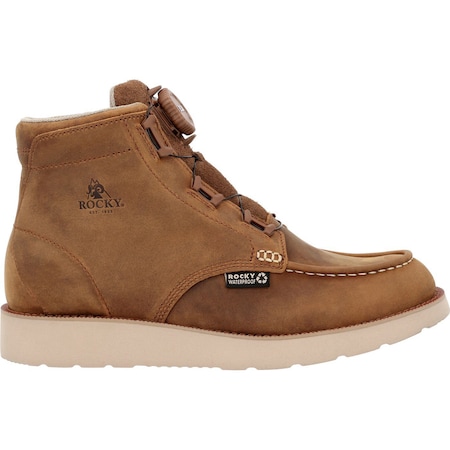
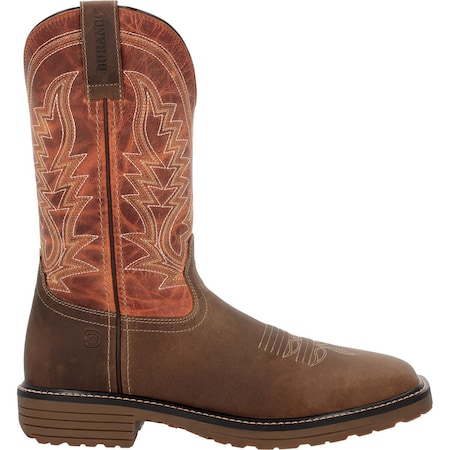
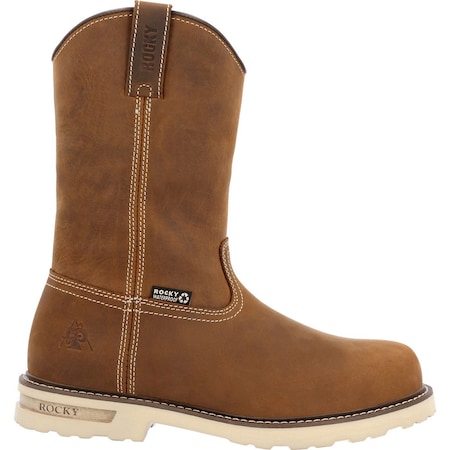
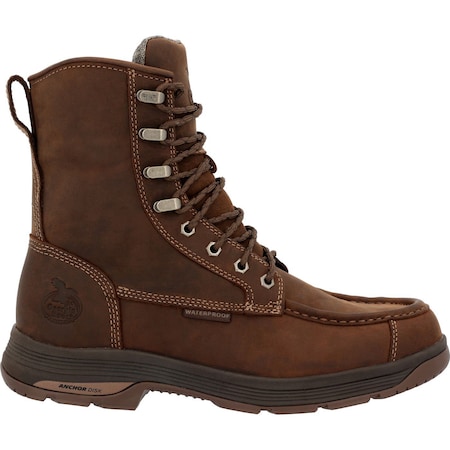
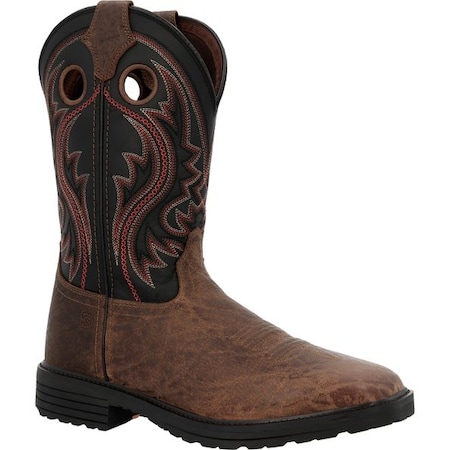
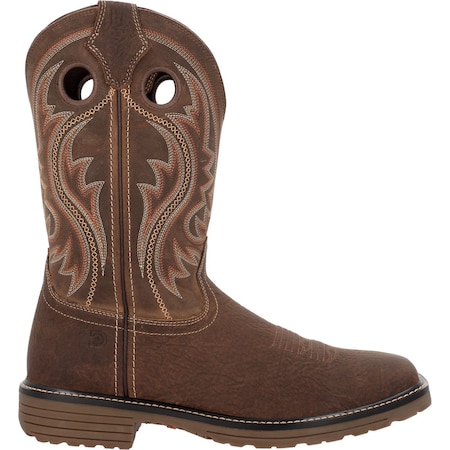
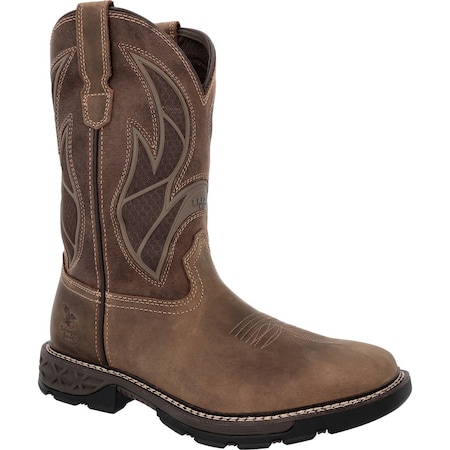
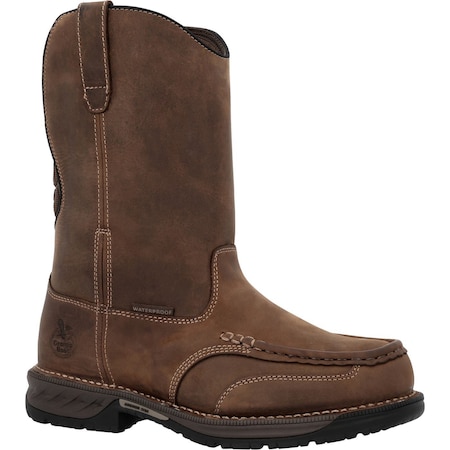
Shop Top Sellers in Plain-Toe Work Boots and Shoes
About Plain-Toe Work Boots and Shoes
Plain toe work boots are foot protection for everyone from farmers to scrappers to first responders, and anyone else who has to go where the sludge, chemicals, biohazards and muck are flying, dropping, splashing and pooling. These men's work boots and women's work boots vary by degree of weather proofing, type of rubber composition, insulation, and which standards they comply with, among other considerations. Work shoes may protect against slipping, skidding, electrical hazards, chemicals and more, depending on the application. Whatever your needs, we've got the waterproof work boots, slip resistant footwear and other foot protection to help you trudge through whatever your workday has in store. For more, see our steel toe boots and shoes.
Frequently Asked Questions
Plain-toe work boots are work boots without any type of safety toe protection, while safety boots are designed with a variety of safety features to protect your toes from hazards in the workplace. These safety features include steel toes, composite toes, and aluminum toes, all of which meet or exceed industry safety standards.
Plain-toe work boots and shoes are best suited for light to medium-duty applications in a variety of industries. They are often used in construction, manufacturing, warehousing, and other industrial settings. Plain-toe work boots and shoes provide basic protection from the elements and minor hazards, and are a great choice for those who want a comfortable and durable boot that is not overly bulky or restrictive.
Plain-toe work boots and shoes are typically made from a variety of materials, including leather, rubber, synthetic materials, and combinations of these materials. Leather boots are durable and breathable, while rubber boots are waterproof and easy to clean. Synthetic materials are often used to create lightweight and flexible boots that are also resistant to wear and tear.
To choose the right size plain-toe work boot or shoe, you need to measure your foot length and width. Once you have your measurements, you can use a size chart to find the corresponding size. It is important to note that work boots and shoes are often sized differently than regular shoes, so it is important to consult a size chart before making a purchase. You should also consider the thickness of the socks you will be wearing with the boots or shoes when choosing a size.