
Programmable Logic Controls (PLC) (5,500+ items) - Page 2

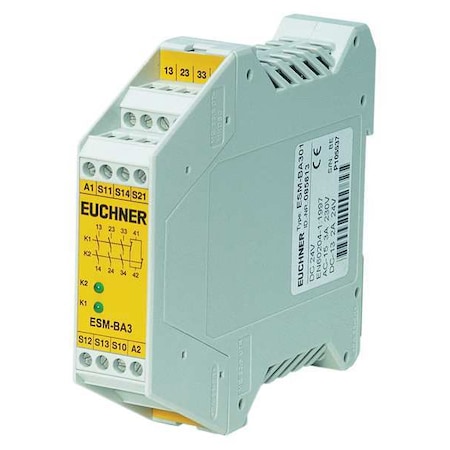
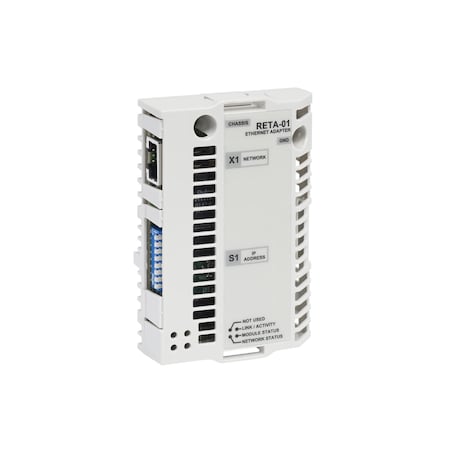
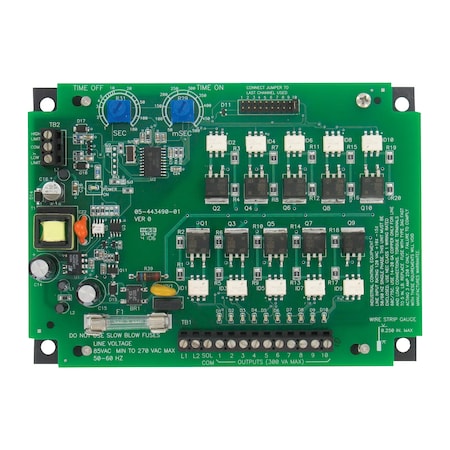
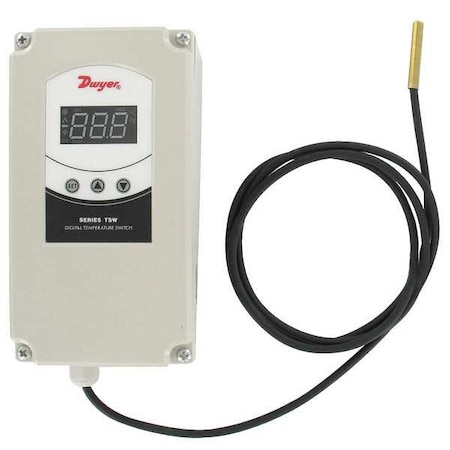
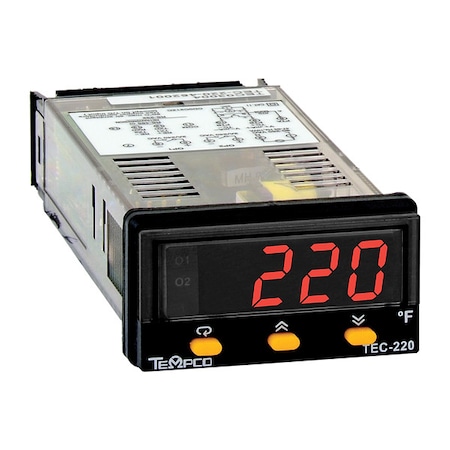
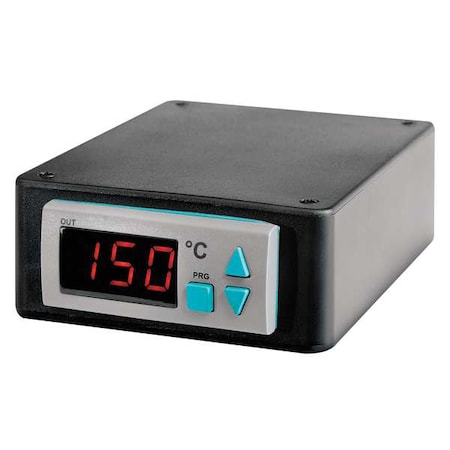
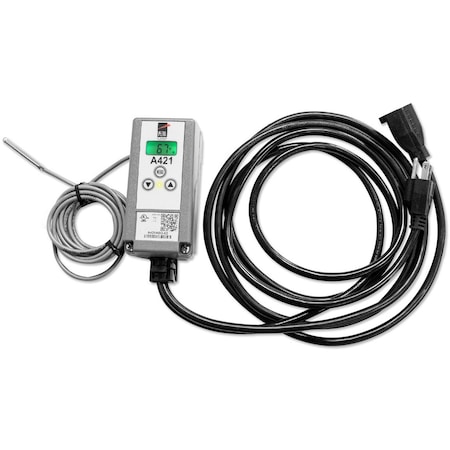
Weatherproof digital temperature switch, dual stage, 12 to 24 VAC/VDC power supply
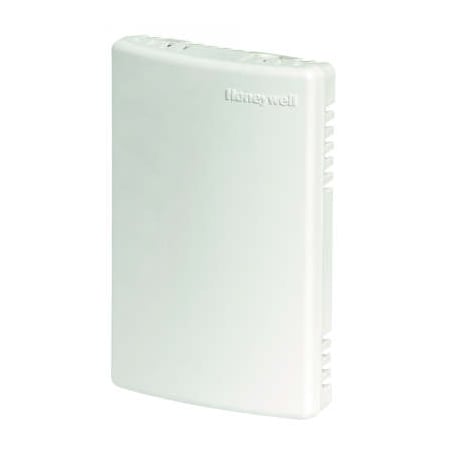



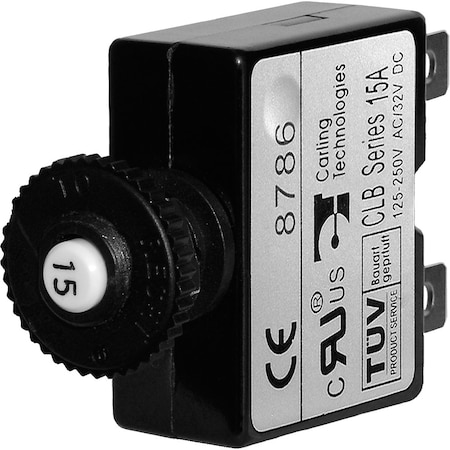
Blue Sea 7056 15A Push Button Thermal with Quick Connect Terminals
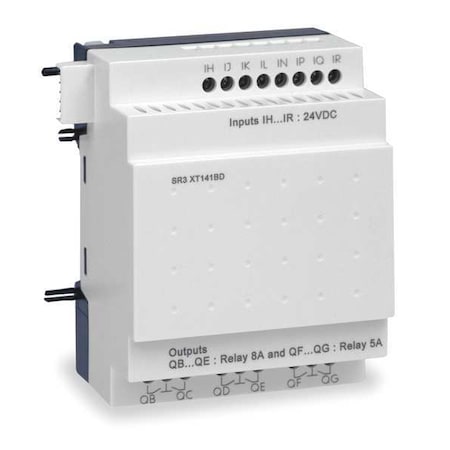
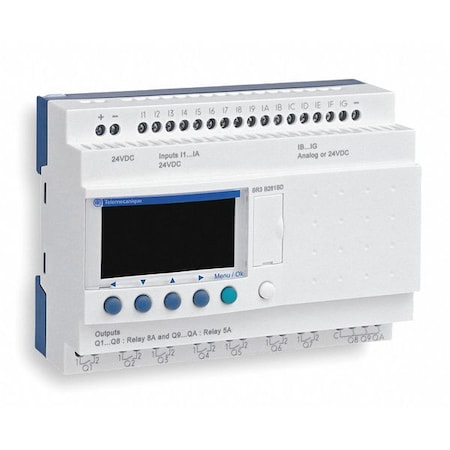
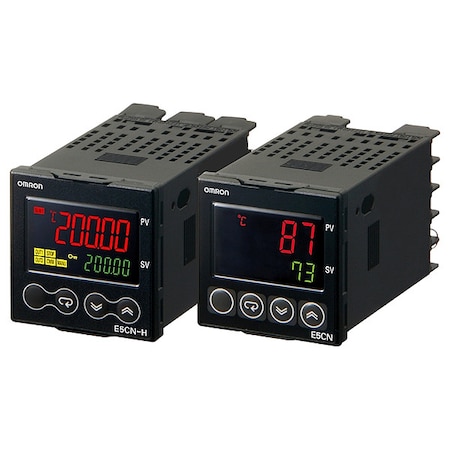
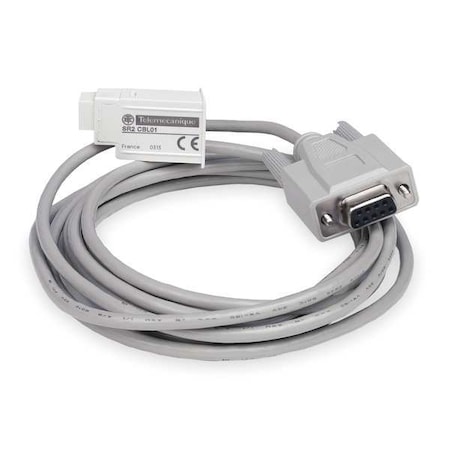
About Programmable Logic Controls (PLC)
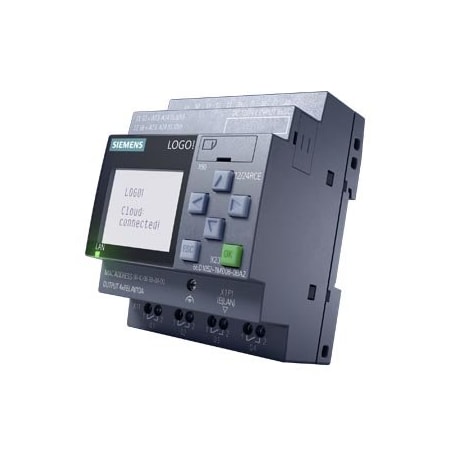
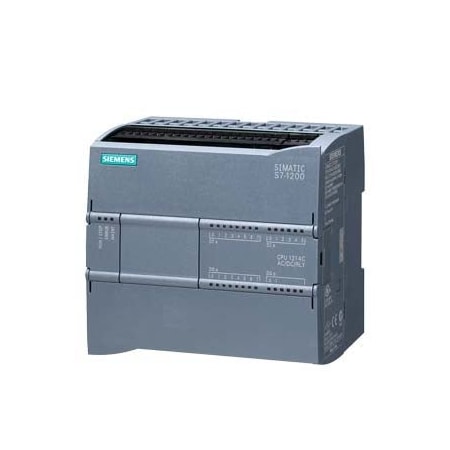
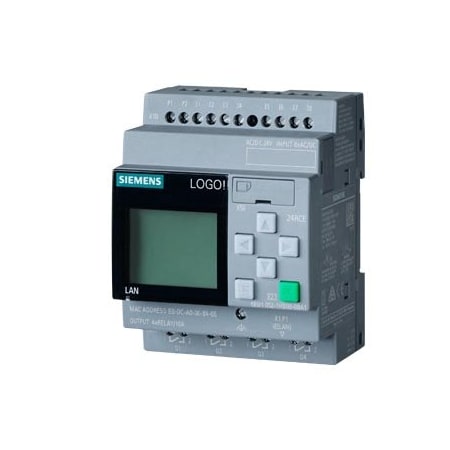
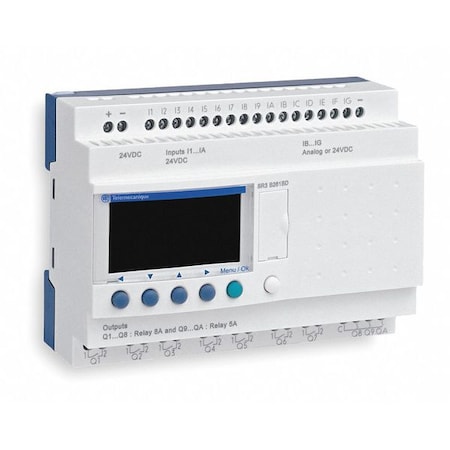
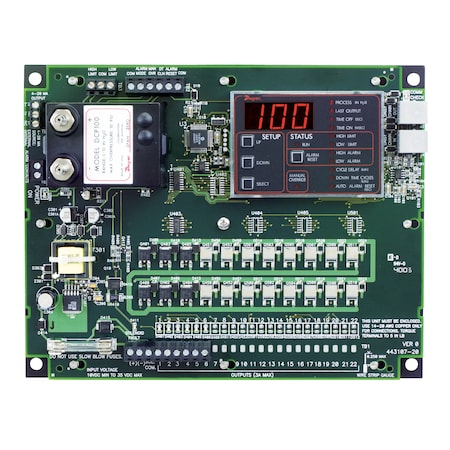
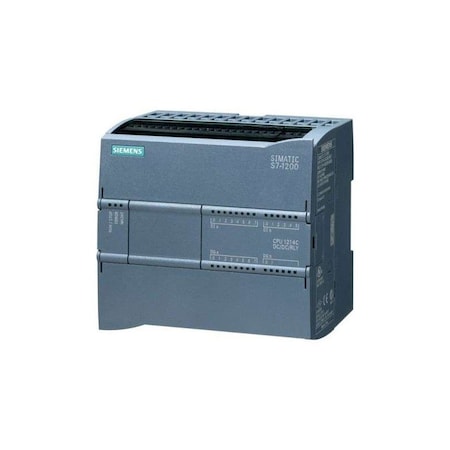
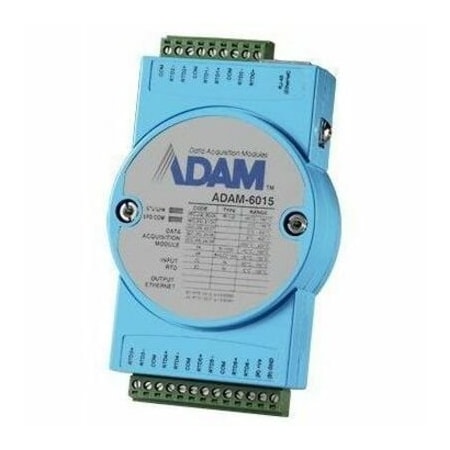
Programmable Logic Controls, or PLCs, are electronic devices designed to control and monitor various types of machinery and industrial processes. PLCs are often used in manufacturing, automotive, and food processing industries, among others, to automate tasks, reduce errors, and increase efficiency. By using programmable controls, businesses can improve productivity, reduce costs, and maintain quality control standards.
Types of Programmable Logic Controls (PLC)
There are several types of programmable logic controllers available, each with its own set of features and capabilities. Temperature controllers, for example, are designed to measure and control temperature in heating and cooling systems, while position indicators are used to track the position of moving parts. Logic controllers are used to perform complex logical operations, while voltage, width, and depth controllers are used to manage electrical signals and currents. The type of PLC used will depend on the specific needs and requirements of the application.
How Programmable Logic Controls (PLC) are Made
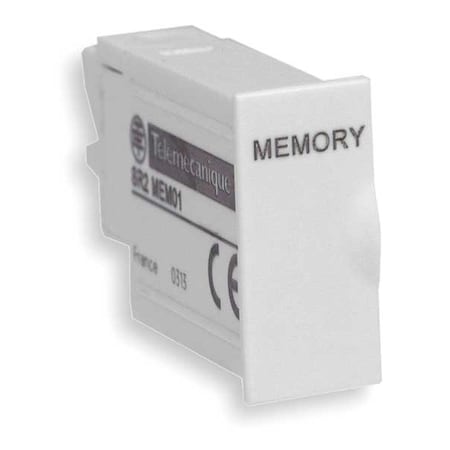
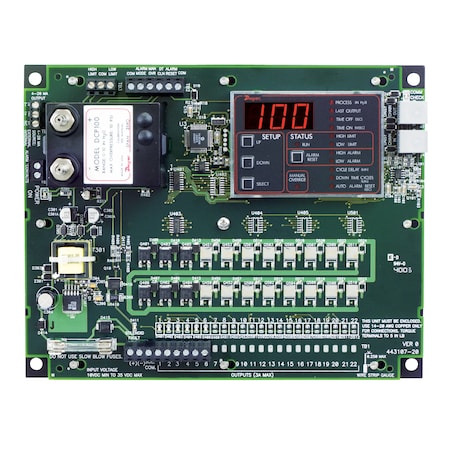
PLCs are typically constructed from high-quality materials and components to ensure reliability and durability. These devices typically include a processor, memory, input/output modules, power supply, and communication ports. The processor is the central component of the PLC and is responsible for executing instructions and managing the input/output modules. Memory is used to store programs, data, and configuration settings, while input/output modules are used to communicate with sensors and other devices. Communication ports enable the PLC to exchange data with other devices, such as computers and monitoring systems.
Industries that use Programmable Logic Controls (PLC)
Programmable Logic Controls are commonly used in various industries, including manufacturing, automotive, food processing, and packaging. These devices are used by professionals such as engineers, technicians, and maintenance personnel to monitor and control various aspects of production, such as temperature, pressure, speed, and quality control. PLCs can be programmed to perform a wide range of functions, from simple on/off control to complex logical operations, making them an essential tool for modern manufacturing and industrial processes.
Find the Programmable Logic Controls (Plc) You Need at Zoro
Looking for a specific item? Use our robust search tool to find it by name or keyword, or use our handy filters to narrow down our full assortment. You can also check out our whole selection of electrical supplies, along with other tools or equipment to ensure you have all you need to tackle the job, especially if you're taking on a DIY project for the first time. Plus, when you shop at Zoro, you'll always enjoy competitive prices on tons of great brands you know and trust. We make the shopping experience as fast and seamless as possible with free shipping on orders over $50 for registered users, Net 30 payment terms for qualifying customers, and an unparalleled customer service experience.