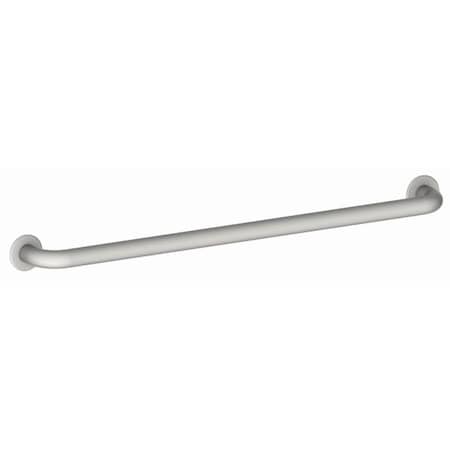
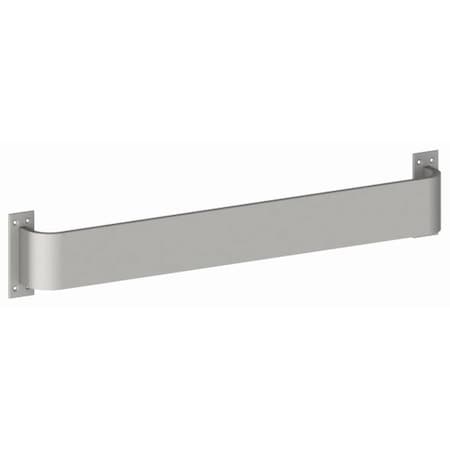
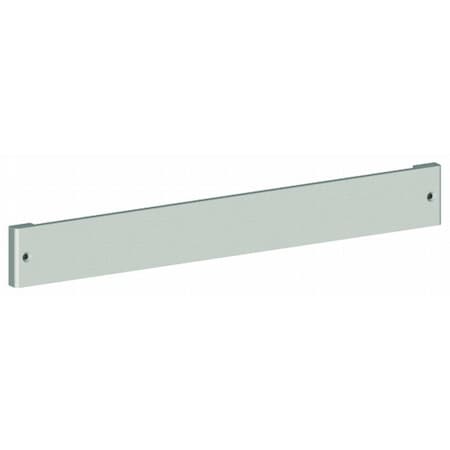
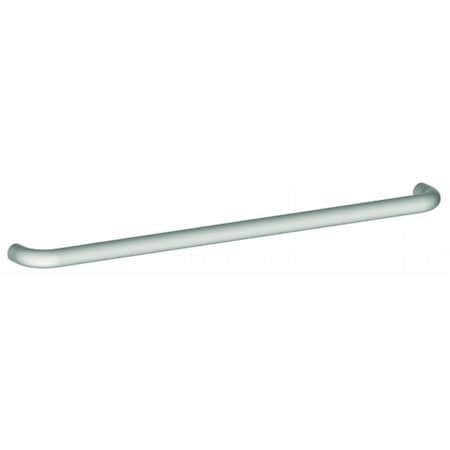
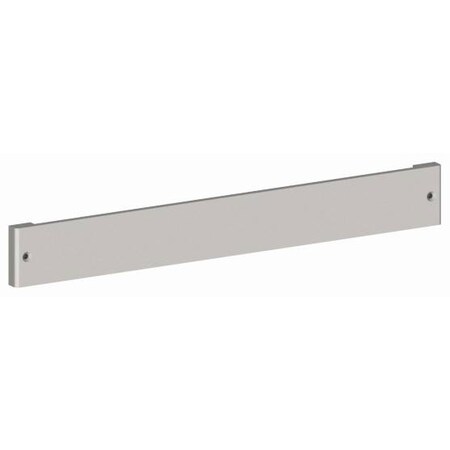
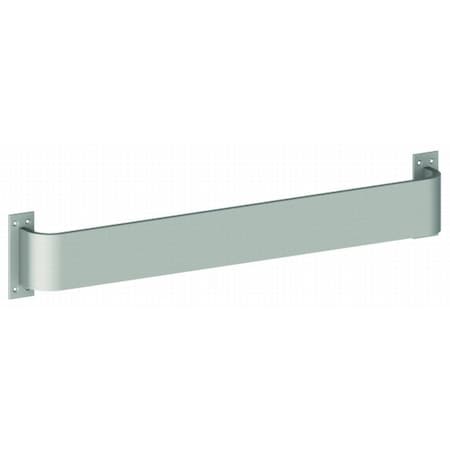
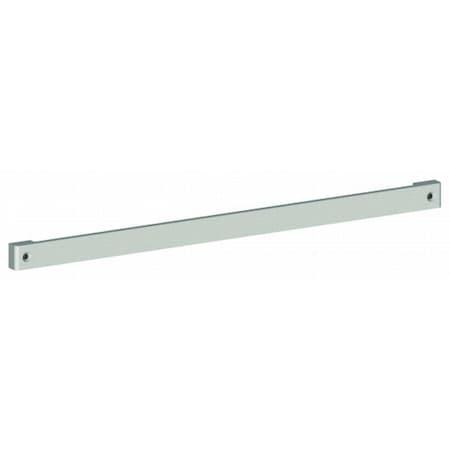
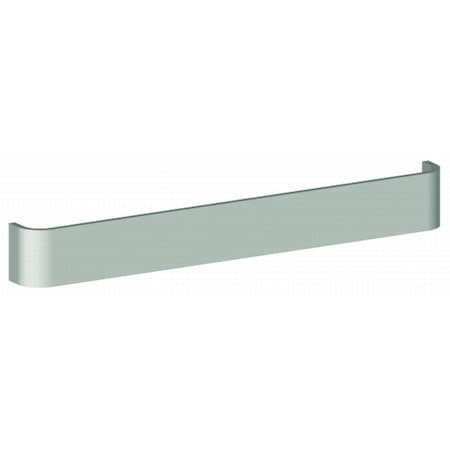
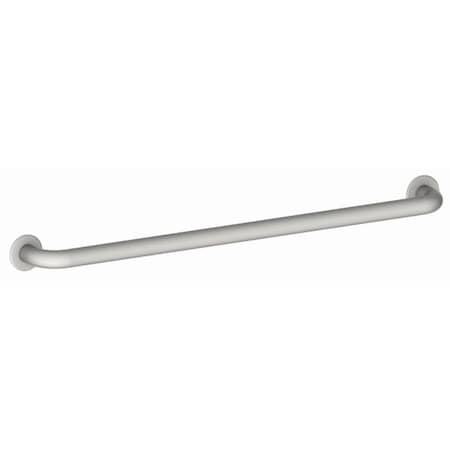
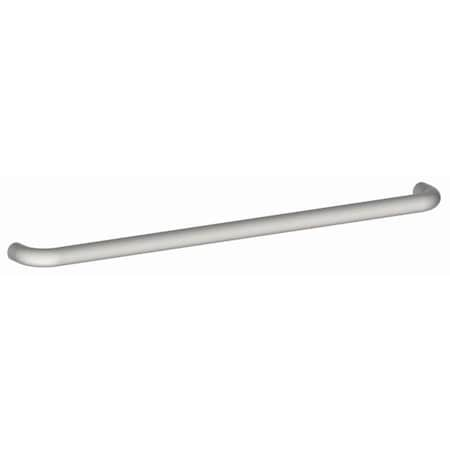
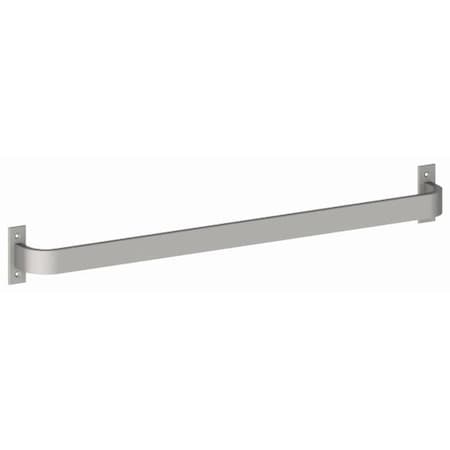
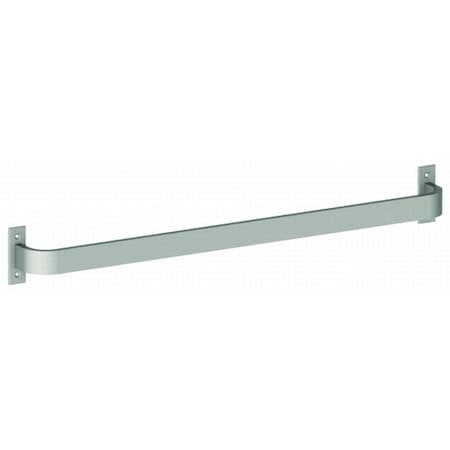
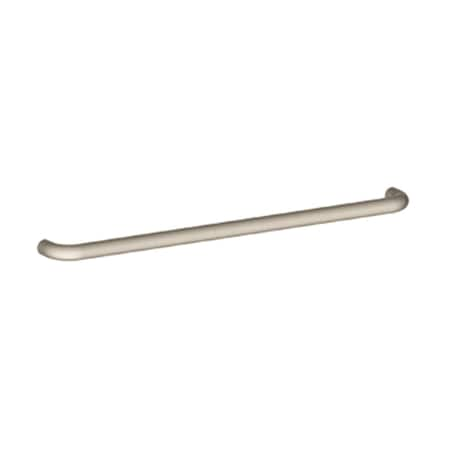
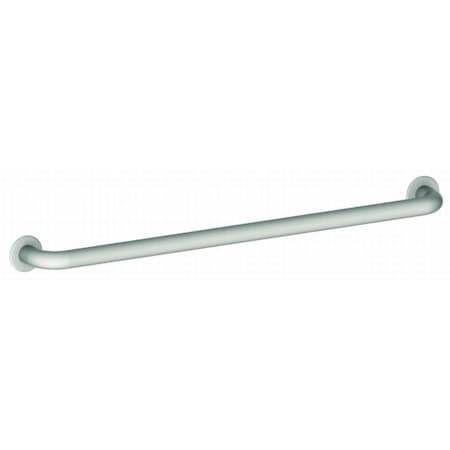
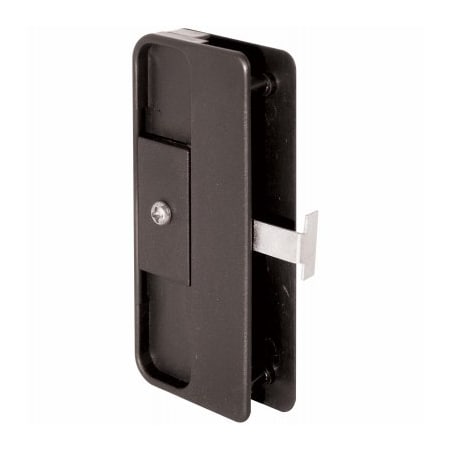
Push bars come in various types, including straight, offset, recessed, and curved models. Straight push bars are the most common type, while offset push bars are used in situations where the door opening is narrow. Recessed push bars are mounted flush with the door surface, and curved push bars provide a more ergonomic grip.
Push bars are typically constructed from durable materials such as stainless steel, aluminum, and brass. Stainless steel push bars are resistant to corrosion and offer a long service life, while aluminum push bars are lightweight and less expensive. Brass push bars are strong and have a classic appearance.
When selecting a push bar, it's important to consider the door size, opening width, and traffic volume. For standard doors, a straight push bar is usually sufficient. For wider openings, an offset push bar provides better leverage. In areas with high traffic, a recessed or curved push bar can reduce the risk of accidental activation.
Push bar installation typically involves mounting brackets to the door and securing the bar to the brackets. Some push bars may require additional hardware, such as end caps or return elbows. It's recommended to follow the manufacturer's instructions or seek professional installation for proper functionality and safety.