


10 Facts About Mold Every Small Business Owner Should Know
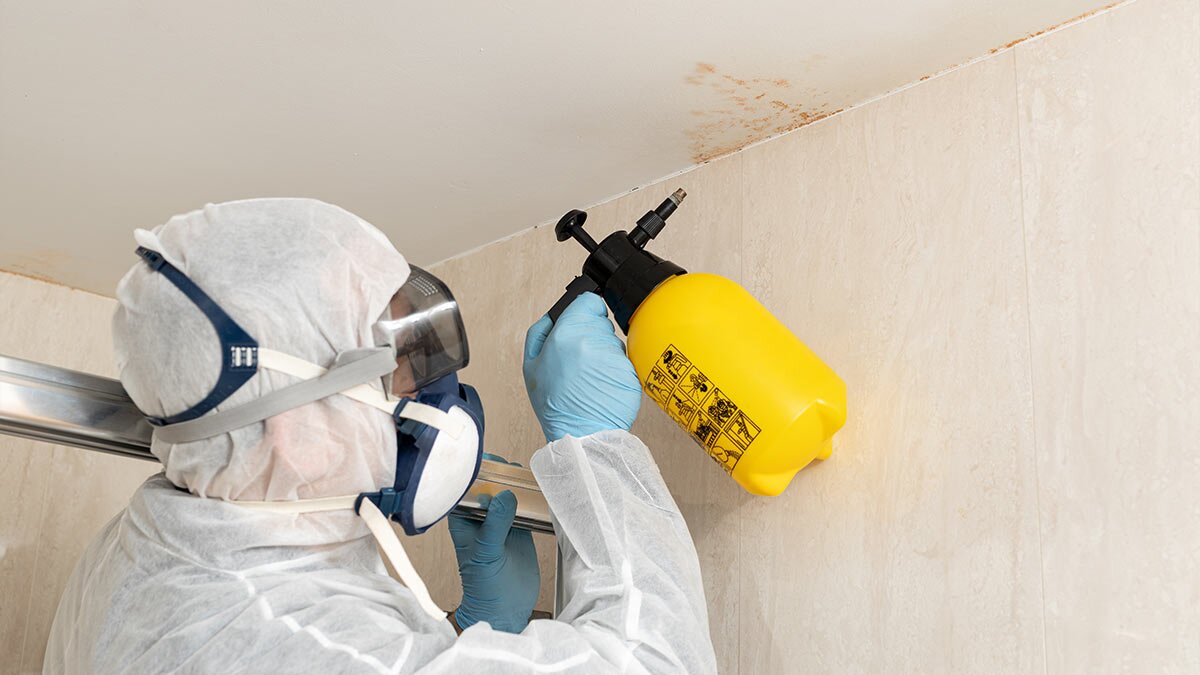
Table of Contents
- 1. Mold Is Practically Everywhere
- 2. Damp Conditions Create the Perfect Environment
- 3. Not All Mold Is “Toxic,” but It Can Still Be Harmful
- 4. Mold Health Issues Affect More Than Allergies
- 5. Watch for Symptoms of Mold Sickness
- 6. Mold Can Damage More Than Just Air Quality
- 7. Humidity Control Is Your Best Defense
- 8. If You See Mold, Act Fast
- 9. Prevention Costs Less Than Remediation
- 10. Mold Can Become a Business Risk
If you’re running a business in construction, manufacturing, or facilities maintenance, you already know how water damage can throw a wrench in your operations. What matters most is understanding how mold and dampness start, how they affect your team and building, and what steps help keep your workspace healthy and productive. This guide breaks it all down: clear, practical, and built for professionals who know the value of staying ahead of problems before they grow.
1. Mold Is Practically Everywhere
Mold spores exist naturally in both indoor and outdoor environments. According to the Centers for Disease Control and Prevention (CDC), mold enters buildings through open doors, windows, vents, and HVAC systems, or even by hitching a ride on clothing and equipment. Once inside, it only needs moisture and organic material to grow. For small businesses, that means keeping an eye on areas where moisture collects, like restrooms, storage spaces, or anywhere with poor ventilation.
2. Damp Conditions Create the Perfect Environment
Mold thrives on moisture. Leaky plumbing, roof damage, condensation, or high humidity can all lead to growth. The Environmental Protection Agency (EPA) emphasizes that fixing leaks and controlling indoor humidity are the most effective ways to prevent mold. If your facility has high traffic, fluctuating temperatures, or equipment that generates heat and moisture, regular inspections can go a long way in preventing costly repairs later.
3. Not All Mold Is “Toxic,” but It Can Still Be Harmful
It’s easy to associate mold problems with dramatic headlines about “toxic black mold.” But in reality, any type of mold can become a problem when it grows unchecked. The EPA notes that molds produce allergens and irritants that can affect people’s health, even if the strain isn’t labeled “toxic.” In other words, don’t wait for lab results before taking action. If you see visible growth or notice a musty smell, treat it seriously.
4. Mold Health Issues Affect More Than Allergies
Mold exposure doesn’t just cause minor irritation; it can lead to more serious respiratory issues. The National Institute of Environmental Health Sciences (NIEHS) reports that exposure to damp or moldy indoor environments can trigger symptoms such as coughing, wheezing, and asthma attacks. For employees working in enclosed or humid spaces, even short-term exposure may lead to discomfort or illness. Keeping your workspace dry and well-ventilated protects both people and productivity.
5. Watch for Symptoms of Mold Sickness
When mold is present, the warning signs are often physical. Employees or customers may experience:
Sneezing or nasal congestion
Coughing or wheezing
Eye, throat, or skin irritation
Headaches or fatigue
If these symptoms show up among multiple workers in the same area, and you also notice damp spots or discoloration on walls, floors, or ceilings, it’s worth investigating further.
6. Mold Can Damage More Than Just Air Quality
Beyond health issues, mold can quietly damage the structure and equipment in your building. Over time, it weakens drywall, wood, insulation, and even metal surfaces through corrosion. That kind of damage can lead to unexpected costs and downtime you didn’t budget for.
7. Humidity Control Is Your Best Defense
Maintaining humidity below 50% helps prevent mold from forming in the first place. The CDC recommends improving ventilation, using dehumidifiers, and addressing leaks quickly. For many facilities, that means checking HVAC filters, monitoring airflow in restrooms or production areas, and ensuring storage spaces stay dry year-round.
8. If You See Mold, Act Fast
You don’t need lab testing to know when there’s a problem. The CDC advises that if you see or smell mold, clean it up and eliminate the moisture source. Quick action prevents further growth and reduces health risks.
If the affected area is large, or if you suspect hidden contamination, professional remediation may be the safest route. For a detailed step-by-step guide, check out How to Remove Mold from Your Commercial Building on Zoro’s Resource Hub. It walks you through safe removal methods, cleaning solutions, and prevention tips designed specifically for business environments.
9. Prevention Costs Less Than Remediation
Stopping mold before it spreads is far more affordable than removing it after the fact. Routine maintenance like inspecting plumbing, sealing gaps, and maintaining drainage systems can save you thousands in cleanup and repairs.
10. Mold Can Become a Business Risk
Mold problems can lead to more than physical damage. They can also raise concerns about worker safety, trigger insurance claims, or even lead to temporary shutdowns.
By documenting inspections, maintenance, and repairs, you show due diligence in managing workplace conditions—something that helps protect your reputation and financial stability if problems arise.
Keep Your Facility Clean, Safe, and Mold-Free
Managing mold issues doesn’t have to be complicated. Once you understand the facts about mold, the next step is knowing how to clean it up safely and prevent it from coming back. Whether you manage a workshop, warehouse, or office, taking a few preventive steps today keeps your business running smoothly.
Product Compliance and Suitability
The statements contained in this guide are intended for general informational purposes only. Such statements do not constitute a product recommendation or representation as to the appropriateness, accuracy, completeness, correctness, or currentness of the information provided. Information provided in this guide does not replace the use by you of any manufacturer instructions, technical product manual, or other professional resource or adviser available to you. Always read, understand, and follow all manufacturer instructions. Portions of this article were generated in part by ChatGPT, and edited by a member of the Zoro team.
