


10 Trailer Safety Tips for Small Business Owners
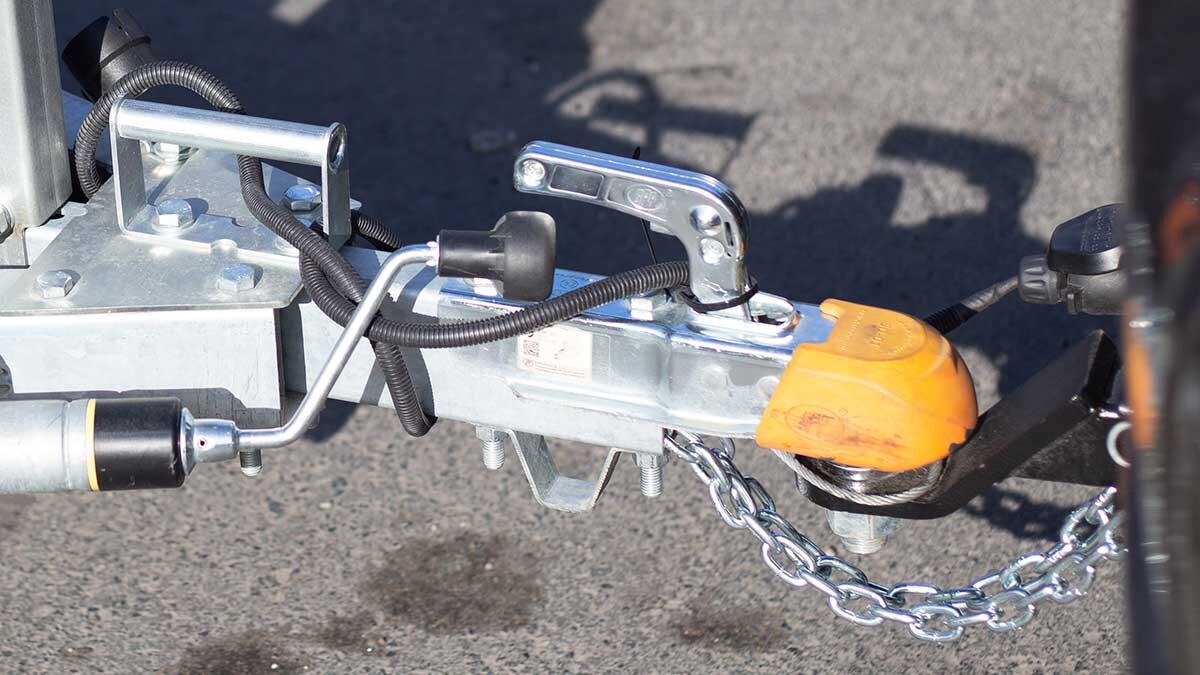
Table of Contents
- 1. Secure the Hitch and Coupler
- 2. Cross and Attach Safety Chains
- 3. Test Trailer Lights and Electrical Connections
- 4. Inspect Tires and Lug Nuts
- 5. Check Trailer Brakes
- 6. Secure and Balance the Load
- 7. Confirm Vehicle and Trailer Capacity
- 8. Adjust Mirrors and Hitch Height
- 9. Do a 360° Walk-Around
- 10. Drive with Towing in Mind
- FAQs: Trailer Safety for Small Businesses
- Final Thoughts
When your business depends on trailers to haul tools, equipment, or materials, safety isn’t optional. It’s what keeps your crews protected and your projects running on schedule. Skipping a trailer inspection might save a few minutes up front, but it can lead to costly breakdowns, dangerous situations, or even regulatory fines down the road. This trailer safety checklist gives you a clear, step-by-step process to follow before every trip. By making these checks part of your routine, you’ll keep your trailers reliable and your people safe.
1. Secure the Hitch and Coupler
Always use the correct-size hitch ball for your coupler and double-check that it’s fully seated and locked in place. A quick tug test ensures the connection is secure. Keeping the latch greased also helps it operate smoothly.
2. Cross and Attach Safety Chains
Your safety chains act as backup protection, so don’t skip this step. Cross the chains under the coupler, attach them with proper hooks, and leave just enough slack for turning without dragging. Crossing them creates a cradle that prevents the tongue from hitting the ground if the trailer disconnects.
3. Test Trailer Lights and Electrical Connections
Before leaving the lot, make sure brake lights, turn signals, and running lights all work properly. Take a few seconds to inspect the wiring harness for loose or damaged connections. It’s even easier if one person flips the switches while another checks from behind.
4. Inspect Tires and Lug Nuts
Trailer tires work harder than most drivers realize. Confirm they’re at the proper pressure, look closely for cracks or bulges, and make sure the tread is in good shape. Don’t forget the lug nuts: tightening them before a trip helps prevent dangerous loosening on the road.
5. Check Trailer Brakes
Brakes are critical for safe towing. Test the trailer brakes before you hit the highway and confirm that the brake controller is set correctly. If the brakes feel spongy, weak, or unresponsive, take care of the issue right away instead of risking it on the road.
6. Secure and Balance the Load
A well-packed trailer is a safe trailer. Place about 60 percent of the weight toward the front, keep heavier items low and centered, and distribute weight evenly across the trailer. Straps, chains, or tie-downs should hold everything firmly in place to prevent shifting during transport.
7. Confirm Vehicle and Trailer Capacity
Every trailer and tow vehicle has limits, and exceeding them creates safety risks. Know your vehicle’s weight rating as well as the trailer and hitch capacity, and make sure the combined load stays within those numbers. Staying under capacity helps protect your brakes, tires, and axles.
8. Adjust Mirrors and Hitch Height
Good visibility makes towing less stressful. Adjust your mirrors so you can clearly see the entire length of your trailer, and consider towing mirrors if your view is limited. Also, check that the hitch height keeps the trailer level, because an uneven setup can cause sway and strain on the hitch.
9. Do a 360° Walk-Around
One final walk-around before you pull out can catch details you might have missed. Take a few moments to look at the hitch, coupler, chains, tires, brakes, lights, and load security from every angle. Think of it like a pilot’s pre-flight check. It’s your chance to spot a problem before it becomes a hazard.
10. Drive with Towing in Mind
Even with a perfect setup, the way you drive makes the difference. Towing requires slower speeds, earlier braking, and more following distance. Give yourself extra room for wide turns and take your time backing up, turning the wheel slowly and carefully. Planning routes that avoid low bridges, sharp turns, or restricted roads will also help your trips go smoothly.
FAQs: Trailer Safety for Small Businesses
What should I check before towing a trailer?
Always check the hitch, coupler, safety chains, brakes, tires, lights, and load security before departure.
How do you secure a load on a trailer?
Distribute weight evenly, keep heavy items low, and use straps, chains, or tie-downs to prevent shifting.
What is the correct way to cross trailer safety chains?
Cross them under the coupler so they form a cradle that catches the trailer tongue if it disconnects.
How often should you inspect trailer brakes and tires?
Inspect both before every trip. Tires should also be checked for wear and pressure regularly, and brakes should be serviced according to manufacturer recommendations.
Final Thoughts
Trailer safety checks don’t take long, but they pay off with fewer delays, safer crews, and smoother operations. Print this checklist and keep it in your trucks so your team can follow it before every haul.
Product Compliance and Suitability
The statements contained in this guide are intended for general informational purposes only. Such statements do not constitute a product recommendation or representation as to the appropriateness, accuracy, completeness, correctness, or currentness of the information provided. Information provided in this guide does not replace the use by you of any manufacturer instructions, technical product manual, or other professional resource or adviser available to you. Always read, understand, and follow all manufacturer instructions. Portions of this article were generated in part by ChatGPT, and edited by a member of the Zoro team.
