


12 Ways to Use WD-40 in Your Business Operations
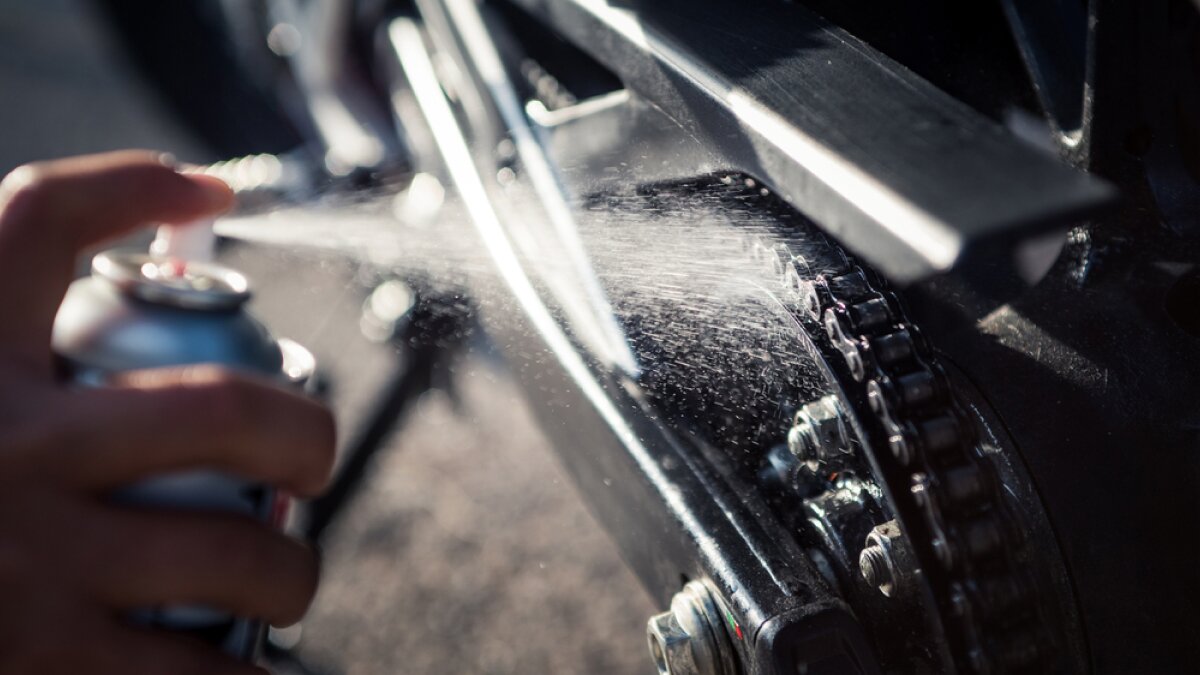
Table of Contents
- 1. Relief from Squeaky Hinges
- 2. Keep Your Tools and Workspaces Spotless
- 3. Loosen Rusted Bolts and Tight Screws
- 4. Prevent Rust
- 5. Extend the Life of Your Tools
- 6. Achieve a Polished Look Across Your Facility
- 7. Maintain a Clean and Professional Space
- 8. Keep Office Chairs Rolling Smoothly
- 9. Maintain Your Lawn Mower Blades
- 10. Shovel Snow More Efficiently
- 11. A Quick Fix for Stuck Locks
- 12. Protect Hardware During Painting
While we often think of WD-40 as a handy oil or lubricant, its uses actually go far beyond clearing away rust and getting small parts moving. For business owners, it's especially useful to have WD-40 on hand because of its many other applications—some of which might surprise you.
From everyday maintenance hacks to creative problem-solving techniques, this classic product can save you time, reduce expenses, and even boost productivity. It's an inexpensive tool that not only tackles rust and corrosion but also assists with cleaning, lubricating, and protecting a wide range of surfaces and equipment that are essential in many types of work.
Whether you’re managing a bustling manufacturing floor, running an office, or overseeing a busy retail space, here are just a handful of the unique ways that WD-40 can help you with everyday tasks and problems.
1. Relief from Squeaky Hinges
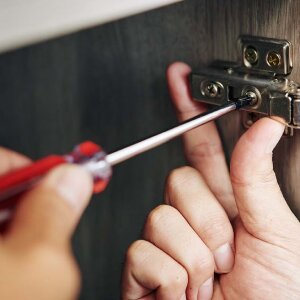
Keep your equipment and facilities running smoothly with a quick spray of WD-40 whenever you encounter a squeaky hinge. From car doors and folding chairs to gates, windshield wipers, storm doors, and beyond, a little WD-40 can quickly quiet down your loudest hinges with proper lubrication.
2. Keep Your Tools and Workspaces Spotless
While most business owners know WD-40 as a lubricant and rust remover, it's also a very effective cleaning tool. From manufacturing floors to office environments, WD-40 can help you blast through grime, grease, and corrosion to keep your tools and equipment as clean as the day you bought them.
3. Loosen Rusted Bolts and Tight Screws
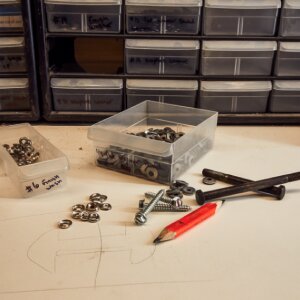
For any business dealing with machinery or installations, one of the most classic uses of WD-40 is to provide much-needed loosening for stubborn bolts and screws. One handy tip you can try is to use a vessel filled with WD-40 to soak the fasteners before you install them, which will make it much easier to remove them later on.
4. Prevent Rust
WD-40 doesn't just cut through rust after the fact—it can help you prevent it from developing in the first place. For example, you can keep your tools and metal parts rust-free by giving them a spray of WD-40 (followed by wiping them clean) as soon as they get wet from rain or humidity.
5. Extend the Life of Your Tools
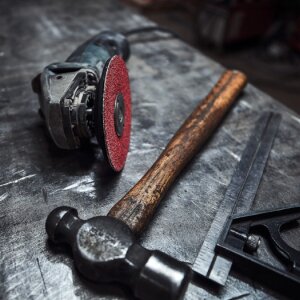
Keep your tools working longer and save both money and time by regularly applying WD-40 to them. This simple maintenance routine will help prevent rust and corrosion, extending their lifespan while keeping their moving parts lubricated and functioning smoothly.

6. Achieve a Polished Look Across Your Facility
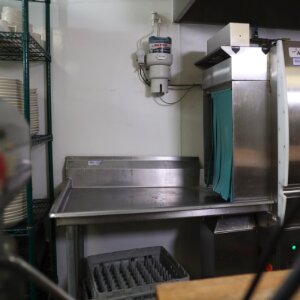
Just as WD-40 can clean your working environment, it can also give a boost to any stainless steel surface by cutting through smudges and giving it a brand-new shine. Just spray some WD-40 on a cloth and use it to wipe the stainless steel surface.
7. Maintain a Clean and Professional Space
You can use a similar process to remove stains from non-porous surfaces like glass and whiteboards. Simply spray some WD-40 on a bit of cloth and apply it to the stain; you'll want to let it set in first, then continue rubbing in circular motions until the stain is gone.

8. Keep Office Chairs Rolling Smoothly
Time to clean your office chair? After you've removed any debris, apply some WD-40 Specialist Silicone Lubricant to the wheels to get them moving again. The WD-40 will extend the lifespan of your office chair's wheels by protecting them from wear.

9. Maintain Your Lawn Mower Blades
Spray your lawn mower blades with WD-40 Multi-Use Product before mowing to reduce friction and prevent grass and other debris from causing corrosion—which will also keep the blades sharp and effective over the long term. Remember to wipe the blades down when you're done mowing to keep them clean and rust-free.

10. Shovel Snow More Efficiently
WD-40 can even make it easier to shovel snow! Just spray a little bit of the original formula on your shovel (on both sides) and any snow and ice will move off of the surface more smoothly, making it less likely that you'll end up with built-up snow stuck to the shovel.

11. A Quick Fix for Stuck Locks
Have a broken key stuck in your lock? You may not need to call the locksmith yet if you have some WD-40 Multi-Use Product on hand. Use the straw on the WD-40 can to get into the lock's components, making it easier to loosen the components and remove the key.
12. Protect Hardware During Painting
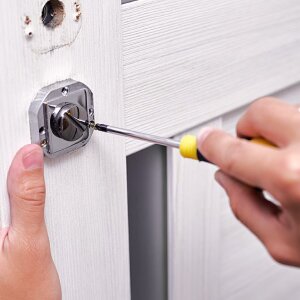
Keep your hardware protected from paint and go beyond taping off unpainted areas with help from WD-40's original formula. Just spray some onto any nearby metal hardware (e.g., door knobs or locks) before you start painting, and the excess paint will come off with a quick wipe.

* * *
While WD-40 is an excellent product to have on hand for basic lubrication and rust removal, its many uses range from the everyday to the much more unusual—so it's always a good idea to have a little extra on hand, especially if you're running a business.
Shop Zoro's wide selection of WD-40 products and supplies and find everything you need to keep your workspaces clean, efficient, and corrosion-free for years to come.
Product Compliance and Suitability
The statements contained in this guide are intended for general informational purposes only. Such statements do not constitute a product recommendation or representation as to the appropriateness, accuracy, completeness, correctness, or currentness of the information provided. Information provided in this guide does not replace the use by you of any manufacturer instructions, technical product manual, or other professional resource or adviser available to you. Always read, understand, and follow all manufacturer instructions.
