


5 Air Filter Cleaning Mistakes to Avoid During Vehicle Maintenance
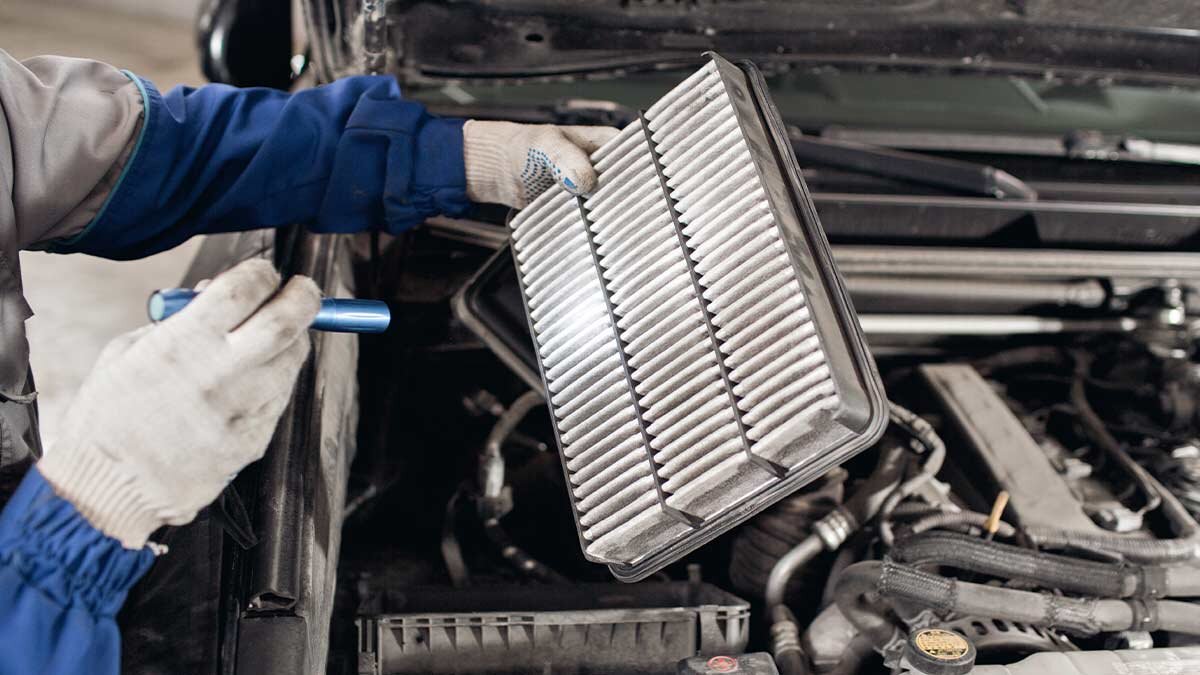
When you’re running a business, equipment downtime costs more than just money. It slows your entire operation. One of the simplest ways to keep engines running smoothly is by maintaining clean air filters. Whether you’re working with trucks, forklifts, or small engines, the process of air filter cleaning is often overlooked or rushed. Below, we’ll walk through five common mistakes to avoid so your team can get the most out of every cleaning session.
1. Using the Wrong Air Filter Cleaner
Choosing the right cleaner makes all the difference. An engine air filter cleaner is formulated to remove dirt, dust, and oil without damaging the filter media. Using a household product, such as dish soap or a harsh degreaser, can cause premature wear and even weaken seals. If you’re unsure how to use an air filter cleaning kit, most come with clear instructions. Many kits include a spray-on cleaner and filter oil, which makes cleaning reusable air filters simple and effective.
2. Skipping Pre-Cleaners in Dusty Environments
If your business operates in dusty or high-debris environments, pre-cleaners can help protect filters before they get clogged. They act like a shield, catching the heaviest dust and extending the time between deep cleans. Skipping this step might seem like a time-saver, but it usually leads to more frequent cleaning sessions and shorter filter life.
3. Over-Oiling After Cleaning
Reusable cotton and foam filters often require a light oil coating after washing. The problem? Too much oil. Over-oiling can cause engine issues or extra mess inside the intake. In some cleaning kits, the oil that is included is pre-measured for the correct application. A thin, even coating is enough—no need to saturate the filter.
4. Not Letting Filters Dry Fully
One of the most common mistakes when cleaning foam air filters or cotton filters is rushing the drying process. Installing a damp filter restricts airflow and can lead to bigger issues.
Air-drying overnight works, but if you’re pressed for time, an air filter blaster or other air filter cleaner tool can speed things up without damaging the filter. Just avoid using high heat, which may warp the material.
5. Cleaning Too Aggressively
Scrubbing too hard or blasting with a pressure washer might look effective, but it weakens seals and tears filter media. The safer route is to rely on a spray-on cleaner, gentle rinsing, and tools made for the job. For fleets and busy shops, investing in an air filter cleaner tool or blaster gives your team a consistent, safe way to clean filters quickly without risking damage.
Wrapping It Up
Air filter maintenance doesn’t have to be complicated. By avoiding these mistakes, you’ll keep your vehicles and equipment in better shape, extend filter life, and reduce unplanned downtime. When you’re ready to stock up on air filter cleaners, kits, and tools, Zoro makes it easy to find the supplies you need to keep your business running smoothly.
FAQs
How often should I clean my vehicle’s air filter?
Most reusable filters should be cleaned every 15,000–30,000 miles, but frequency depends on driving conditions. Dusty or off-road environments may require more frequent maintenance.
Can I use soap and water to clean an air filter?
Household soap isn’t recommended, as it may leave residue or damage filter media. Always use a designated air filter cleaner solution or cleaning kit.
What’s the benefit of using an air filter blaster?
An air filter blaster is designed to speed up the drying process and remove debris safely. It reduces cleaning time for busy shops or fleets while protecting the filter from damage.
Do pre-cleaners really extend filter life?
Yes. Pre-cleaners capture heavy dust and debris before it reaches the main filter, extending the cleaning interval and overall filter lifespan.
Product Compliance and Suitability
The statements contained in this guide are intended for general informational purposes only. Such statements do not constitute a product recommendation or representation as to the appropriateness, accuracy, completeness, correctness, or currentness of the information provided. Information provided in this guide does not replace the use by you of any manufacturer instructions, technical product manual, or other professional resource or adviser available to you. Always read, understand, and follow all manufacturer instructions. Portions of this article were generated in part by ChatGPT, and edited by a member of the Zoro team.
