


5 Common Toilet Problems and How to Fix Them
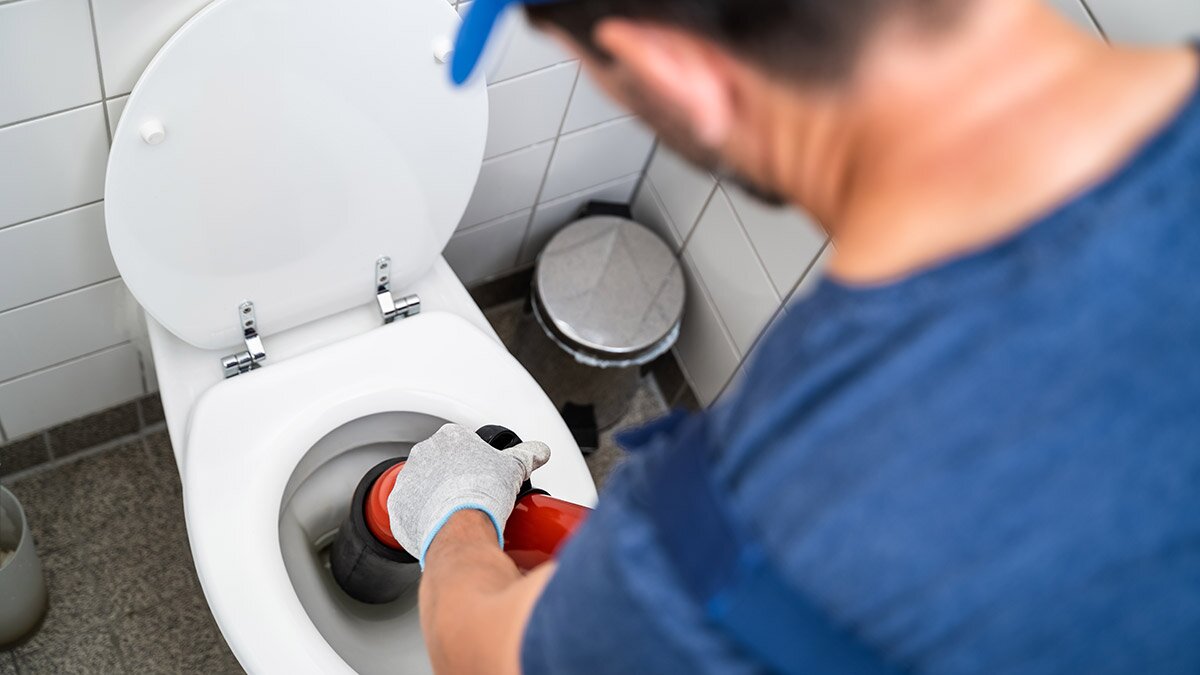
If you manage a facility, warehouse, machine shop, or commercial building, common toilet problems may not be at the top of your to-do list, but they can quickly escalate into costly disruptions. From a toilet not flushing to leaks around the base, these issues affect sanitation, efficiency, and team morale. The good news? Most toilet fixes don’t require professional toilet repair services. With a few tools and a little know-how, your team can solve many issues in-house, saving time and money.
1. Running Toilet
If you hear water running long after flushing, the issue is likely inside the toilet tank. A toilet that won’t stop running typically points to a worn-out flapper, a misaligned float, or a faulty toilet fill valve. These parts regulate water flow and are easy to replace.
To fix a toilet that won't stop running:
- Replace the flapper if it’s warped or leaking
- Adjust or replace the float arm
- Install a new toilet fill valve if the tank keeps overfilling
Stopping a running toilet reduces water waste and utility costs—especially important in high-traffic restrooms.
2. Toilet Won’t Flush Properly
Toilet flushing issues are some of the most frustrating things that can go wrong with a toilet. Whether the flush is weak or nonexistent, the cause often lies in the lift chain or the flapper. Check if the chain is disconnected or too loose to lift the flapper fully.
How to fix a toilet that won’t flush:
- Reattach or tighten the lift chain
- Ensure the water level is high enough in the tank
- Replace the flapper if it’s not sealing well
For businesses, keeping restrooms in good shape means fewer complaints and fewer interruptions to your team’s day.
3. Toilet Bowl Not Filling
If the tank fills but the toilet bowl won’t fill, the issue may be a disconnected or damaged fill tube. This small but important part directs water into the bowl post-flush.
To fix low-fill toilets:
- Reattach or replace the fill tube
- Clean out any obstructions
- Check the bowl jet holes for mineral buildup
When left unresolved, this problem can lead to poor flushes and hygiene concerns.
4. Frequent Clogging
If clogs happen often, it may be due to improper flushing habits, a low-flow toilet, or deeper line obstructions. Recurring blockages are more than inconvenient; they’re a maintenance risk.
Fixes for frequent clogs:
- Use a heavy-duty flange plunger or general toilet auger
- Avoid flushing paper towels or hygiene products
- Schedule a line inspection if the problem persists
Keeping toilet repair tools on hand can reduce the need for emergency plumbing calls.
5. Leaks at the Base
A leak at the toilet base usually signals the need for a toilet wax ring replacement. This wax seal connects the toilet to the drainpipe. When it degrades, water can seep out with each flush, risking damage to subflooring and tile.
How to fix it:
- Shut off the water supply
- Remove the toilet
- Install a new wax ring using a flange kit
- Reposition the toilet and tighten the bolts evenly
This fix takes a bit of work, but it prevents long-term structural issues and costly water damage.
Final Thoughts
You don’t need plumbing expertise to resolve many toilet issues. With basic parts like a toilet fill valve, wax ring, or toilet handle repair kit, your team can manage the most common toilet problems efficiently. Whether it’s a toilet bowl not filling, toilet tank problems, or wondering how to fix toilet flush mechanisms, having a checklist and the right supplies makes all the difference. Preventative care not only improves the restroom experience but also reduces your reliance on external toilet repair services.
