


5 Tips on How to Extend the Life of Your Cutting Tools
Cutting tools are essential in metalworking, construction, fabrication, and maintenance. If you’re a small business owner or seasoned contractor, you know that quality tools represent a significant expense, and frequent replacement can increase operational costs. Fortunately, extending tool life may not require major changes—just a few practical habits that may help reduce tool wear, limit downtime, and support overall workflow efficiency. Here are five tips that may help you get more use out of every cutting tool.
1. Match the Tool with the Job
Using the correct cutting tool for the material at hand can help minimize excessive wear and thermal stress. Material composition directly affects how tools perform; using a mismatched tool can shorten its usable life. When selecting a cutting tool, refer to the manufacturer’s specifications for compatible materials, recommended feed rates, and ideal cutting speeds.
2. Prioritize Proper Storage
Proper cutting tool storage helps protect blades from physical damage and shields them from moisture that could lead to corrosion. Using drawer inserts or foam organizers can prevent sharp edges from making contact with other tools or surfaces. Labeling tools by type or material streamlines selection and limits unnecessary handling, which can also extend tool life. Whenever possible, store tools in dry, climate-controlled environments to minimize the risk of rust and other environmental wear.
3. Clean and Lubricate Tools Regularly
Dust, debris, and metal particles can wear down even high-quality cutting tools. Regular cleaning and lubrication can reduce buildup, maintain cutting precision, and help tools last longer. Use cleaning agents that are safe for metal tools, and apply lubricants according to the tool’s specs.
4. Rotate Frequently Used Tools
In shops where tools are used across multiple stations, rotating the tools may help distribute wear more evenly. This approach is particularly useful for cutting discs, router bits, or saw blades that experience frequent use.
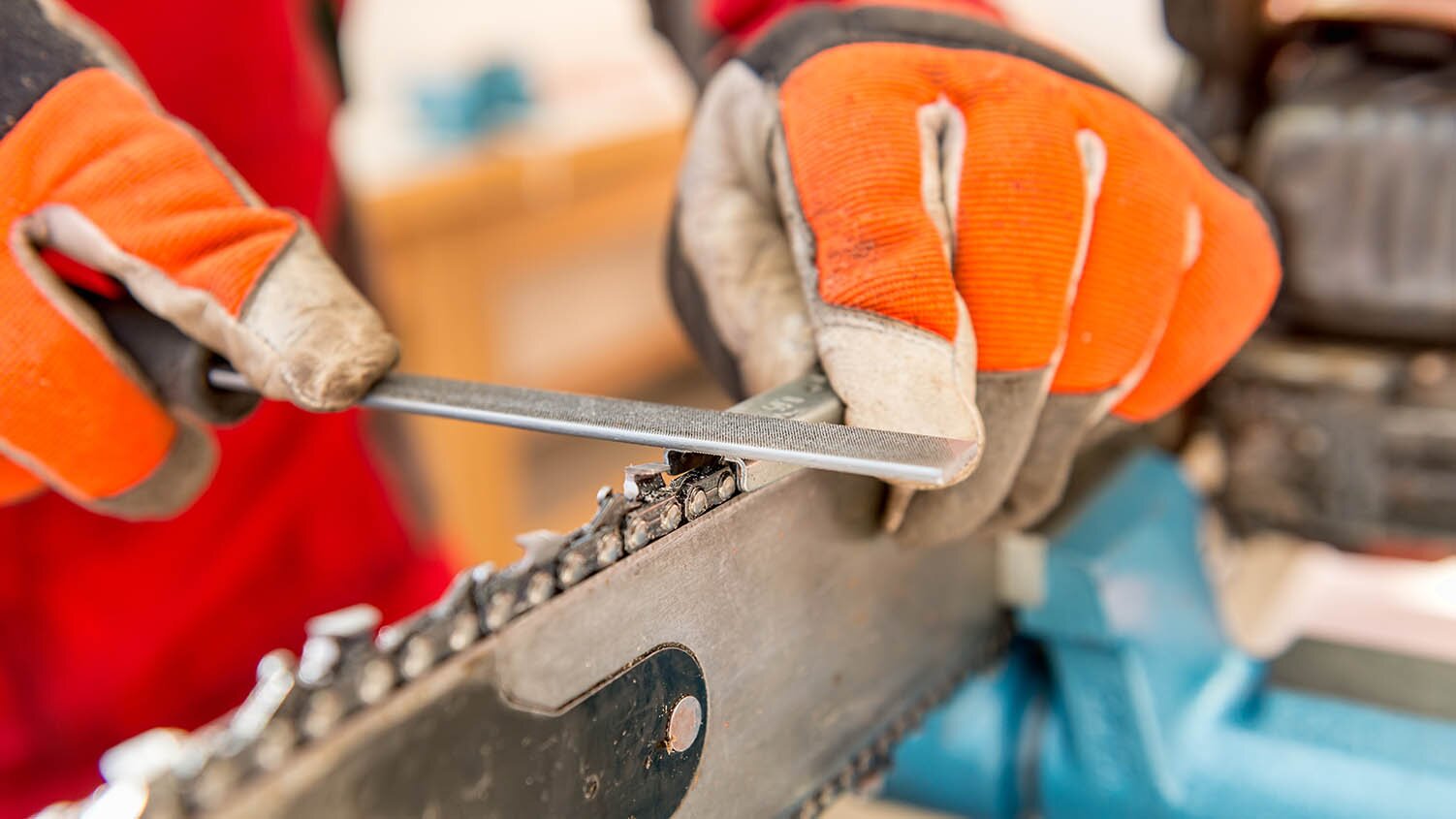
5. Inspect and Sharpen Tools Regularly
Dull tools don’t just slow you down; they can also pose safety risks. Make regular inspections part of your maintenance routine to spot signs of wear early. Sharpening tools at the right intervals may support cleaner cuts and safer operation.
Extending the life of your cutting tools isn’t complicated; it’s about consistent care and thoughtful use. With the right approach, your team can work more efficiently, reduce downtime, and get more out of every tool.
Explore Zoro’s full range of tool organizers and storage options.
Product Compliance and Suitability
The statements contained in this guide are intended for general informational purposes only. Such statements do not constitute a product recommendation or representation as to the appropriateness, accuracy, completeness, correctness, or currentness of the information provided. Information provided in this guide does not replace the use by you of any manufacturer instructions, technical product manual, or other professional resource or adviser available to you. Always read, understand, and follow all manufacturer instructions. Portions of this article were generated in part by ChatGPT, and edited by a member of the Zoro team.
