


5 Tips to Clean Sticky Floors in Commercial Spaces
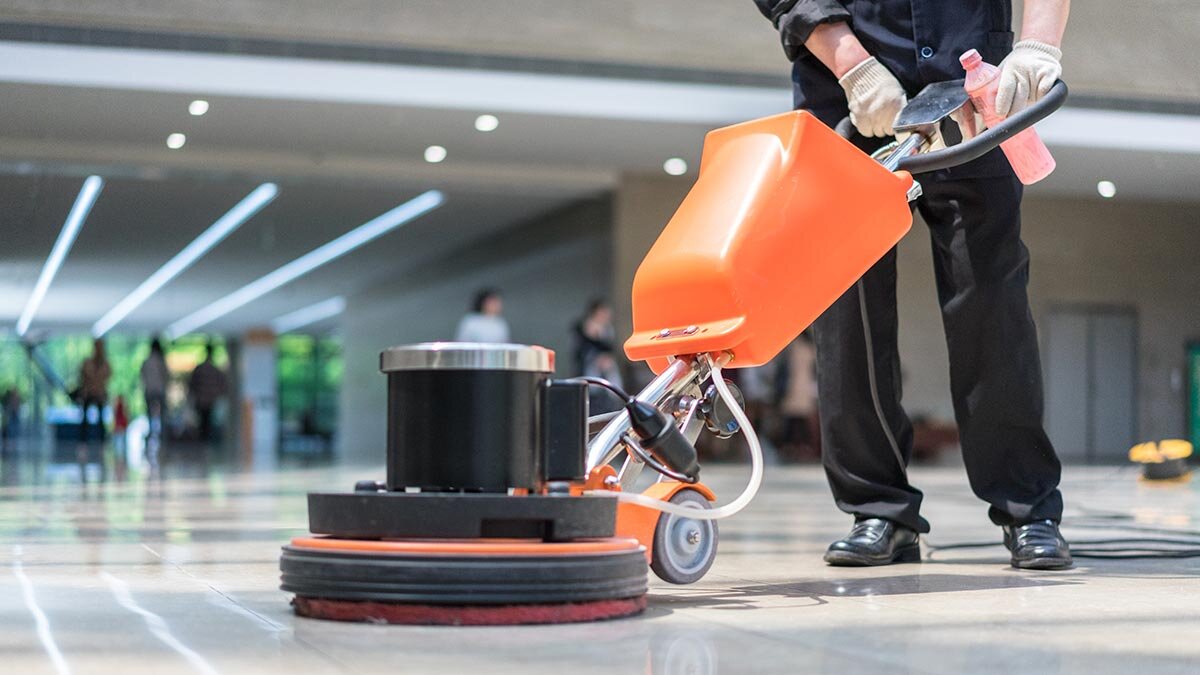
When you’re running a facility that sees steady foot traffic—whether it’s a warehouse floor, a jobsite trailer, or a breakroom in a production plant—knowing how to clean sticky floors can save time, reduce risk, and keep your team moving safely. Tackling sticky buildup isn’t just about appearance; it’s about maintaining a space that’s ready for work. From grease tracked in from the shop to residue left after mopping, here are five practical ways to get floors clean without slowing down operations.
1. Start with Hot Water and a Neutral pH Cleaner
Sometimes, simple does the job best. Hot water and a neutral pH floor cleaner can help break down sugars and light residue without damaging protective coatings on your floors. This method is ideal for sticky laminated floors and other sealed surfaces often found in facility break areas or entryways.
Use a microfiber mop for smaller areas or an auto-scrubber for large square footage. And here’s a tip from the field: skip the extra suds. Overly soapy solutions can leave behind a film that attracts even more grime.
2. Use a Degreaser in High-Traffic Industrial Zones
In shops, garages, and production areas where grease and oil are common culprits, a commercial-grade degreaser is a strong choice. It’s designed to cut through oil-based residues on everything from concrete to epoxy and tile.
Just make sure you’re using a formula that’s safe for your flooring material. Always ventilate the area and wear gloves as recommended on the product label. Sticky floor tiles and mats near machinery or workbenches are frequent problem areas where a degreaser makes all the difference.
3. Try Steam Cleaning for Deep, Chemical-Free Results
If your sticky floors need a thorough refresh without added chemicals, steam cleaning offers a solid option. Commercial-grade steamers use high heat to loosen stubborn buildup on ceramic tile, sealed wood, or laminate flooring.
Steam is especially useful in public or shared spaces like lobbies or locker rooms where sanitation is as important as surface appearance. Plus, it’s an eco-conscious way to clean when used properly.
4. Switch to Rinse-Free Floor Cleaners
Sometimes, the cleaner is the problem. If your floors are sticky after mopping, it could be from overuse of standard cleaning products or improper dilution.
Rinse-free floor cleaners are formulated to dry without leaving a residue. If your current solution is causing issues, switching to a no-rinse option can simplify daily cleaning routines and reduce floor maintenance over time.
5. Tackle Adhesives with Targeted Removers
Sticky spots from old tile glue, shipping labels, or tape residue are common in renovated spaces or temporary setups. For these cases, a commercial adhesive remover designed for floors can help break down resin- or glue-based compounds without damaging the surface underneath.
Before applying, test a small area to make sure it’s safe for your floor type. Whether you’re dealing with sticky wood floors or sealed concrete, identifying whether the residue is water- or oil-based will help you choose the right solution.
Sticky floors aren’t just a hassle—they’re a potential hazard. Whether you’re deep-cleaning sticky laminated floors or wondering why your floor is sticky after mopping, the right approach can make a difference. From janitorial teams to on-site managers, these practical solutions are designed to work as hard as your team does. With the right tools and tactics, clean floors can be one less thing to worry about.
