


6 Cordless Tools Your Business Needs
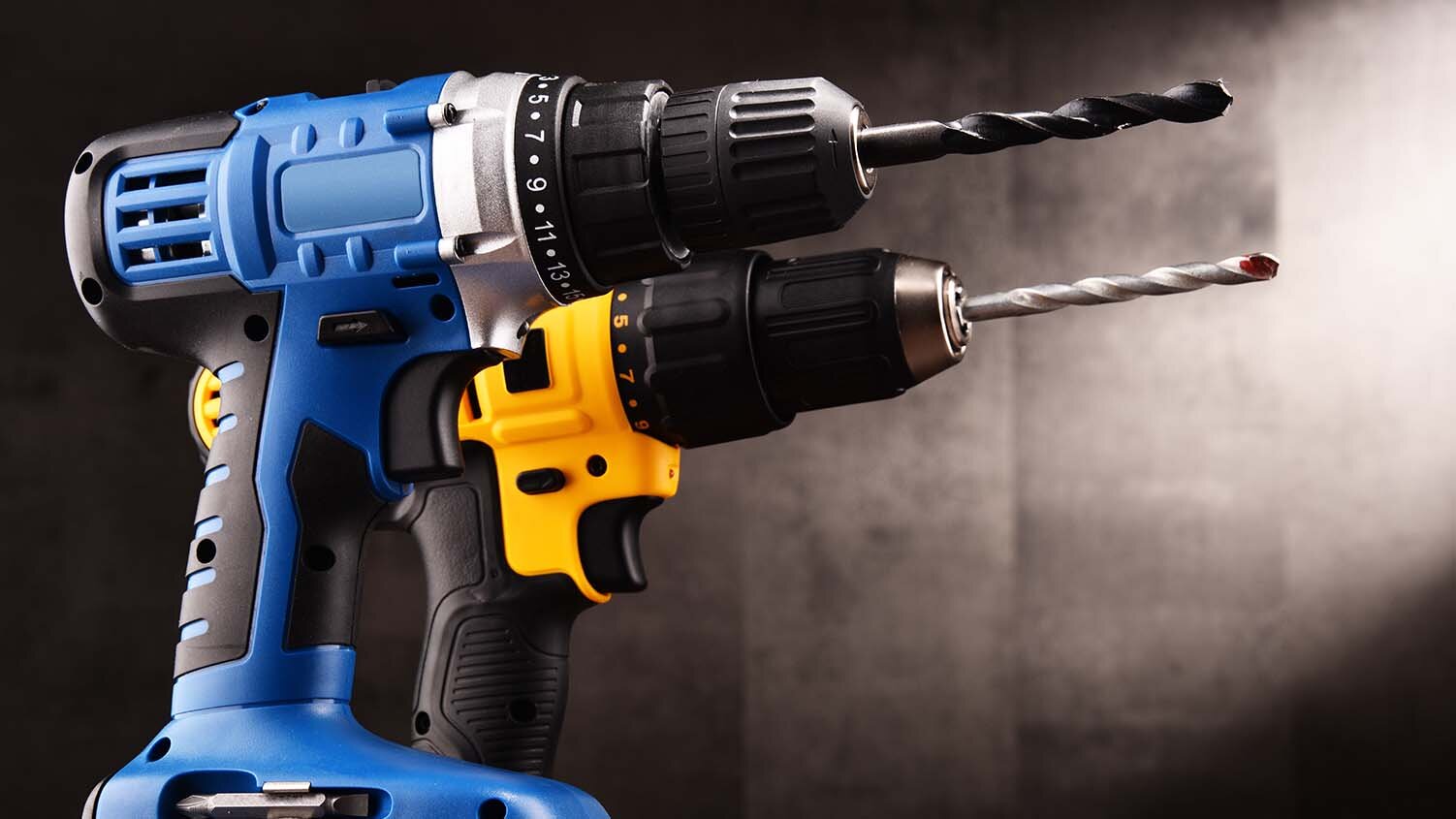
As the technology in Li-ion batteries improves, so does the ability to work anywhere with cordless tools. No outlet? No problem. Charge your Li-ion batteries and take them to the jobsite. Many tools come in cordless versions, including cordless drills, saws, impact wrenches, grinders and more. The best part? These cordless tools can be as powerful as their plugged-in counterparts, so you don’t have to sacrifice performance.
Cordless Tool Considerations
When choosing a cordless drill or other cordless tool, there are a few things to think about.
- What will you be doing with the cordless tool? Drilling? Driving screws? Grinding or sharpening? Or a little bit of everything? Tools are specialized so they do one or two things very well. If you have several different jobs your tools need to accomplish, a combo kit with interchangeable batteries might be your best bet.
- Where will you be using the tool? Indoor or outdoor? At home or at a jobsite? Occasional contractor jobs or in an industrial setting? The place you use the cordless tool will help determine what features you’ll find most important.
- How often will you use it? A light-duty cordless tool is fine for occasional home use, while medium- and heavy-duty tools will stand up to regular, repeated use on the job.
Power
Cordless tools run on rechargeable batteries. The most common batteries today are lithium-ion (Li-ion), though some tools still run on nickel-cadmium (NiCad) or nickel-metal hydride (NiMH). Of these, which cordless power tool battery lasts the longest, and which delivers the most power?
- Lithium-ion batteries are the newest batteries on the market, used in most cordless tools. They are lighter and smaller than other types of batteries, charge faster, and discharge slowly. They can be charged many times without wearing out and don’t suffer from a “memory effect,” meaning they can be charged any time without losing much capacity. They work in a wide range of temperatures.
- Nickel-cadmium batteries come from tried-and-true technology, having been around for many years. NiCad batteries are cheaper than other options. Like Li-ion batteries, NiCad batteries can work in a wide temperature range and tolerate many recharge cycles. However, they lose charge when not in use and have a “memory effect.” If a NiCad battery is not fully discharged before recharging, it can quickly lose its ability to store energy.
- Nickel-metal hydride batteries. Rank these in between Li-ion and NiCad batteries, as they can have a higher capacity than NiCad batteries but lower capacity than Li-ion batteries. Like NiCad batteries, they discharge quickly even in storage.
Two key things to watch for in cordless tool batteries:
| Voltage (V) | Ampere-hours (Ah) |
| How much power the battery can deliver | How much charge the battery can hold |
| The greater the voltage, the more powerful the tool can be, but added power means added weight. | In general, the greater the Ah, the longer a tool can run before recharging. |
Additional Cordless Tool Considerations
Brushless Motors
Brushless motors are found on many cordless power tools. What’s so great about them? Brushless motors are more efficient and have better durability. Brushless motors cost more, but longer runtimes, greater power, and less maintenance make them worth seeking out.
Size
Drills and impact drivers come with different size chucks, which is the part of the drill or driver that holds the bit. The chuck size is the largest bit shank that will fit in the drill. Drills and drivers come in three sizes: ¼", ⅜" and ½". For light-duty jobs a ¼" chuck will suffice. A ⅜" chuck will accept more bit sizes and has a broader range of uses. A ½" drill or driver will accept the greatest number of bit sizes, making it most useful for heavy-duty needs.
Speed
Many cordless power tools, especially drills, have variable speeds with an adjustable clutch. This lets you use different bits for different jobs, such as drilling through harder or softer materials. The rotational force of a bit is called torque. High speeds and low torque work well on wood and plastic, and when using smaller-diameter bits. Lower speeds with high torque deliver more power but lower speeds, better for driving screws and drilling through harder materials, such as metal and masonry. The tool’s trigger controls the speed while the clutch is set to the desired torque level. If the clutch is properly adjusted on a driver, it prevents screws from being set too deep and being stripped.
The 6 Essential Cordless Tools
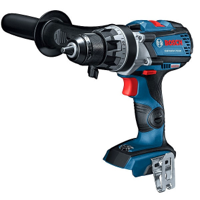
Of all the cordless tools available, the cordless drill is the most essential. A keyless chuck can take drill bits, driver bits, hole saws, sanders, and many more. Its ability to do so many different things, in large jobs or small, makes a cordless drill indispensable.
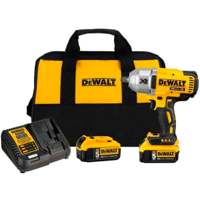
If you already have a cordless drill, why get a cordless driver? The simple answer: a driver can deliver more torque. Instead of a steady rotating motion, an impact driver delivers short bursts of power. An impact driver will outperform a cordless drill when driving screws. That’s all it does. But it does it well.
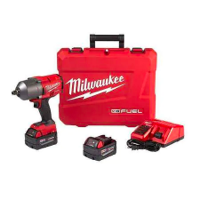
Impact wrenches have traditionally been pneumatic, powered by air. This meant being attached to an air compressor and long hose that would get in the way of your work. With a cordless impact wrench in your shop’s tool selection, you can drive nuts, bolts, and screws with incredible amounts of torque anywhere.
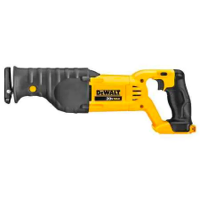
A reciprocating saw is a great all-around utility saw, able to make both straight and curved cuts through metal, wood, plastic, PVC, and more. Whether used for demolition, plumbing, framing, and many other commercial projects, a cordless saw can cut nearly anywhere without you worrying about tripping over cords or accidentally unplugging it.
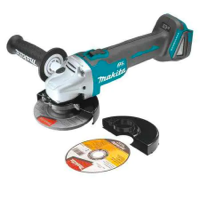
Cutting, grinding, sanding, buffing, sharpening, polishing, carving, and planing can all be done anywhere with a cordless angle grinder. At home in a metal shop, construction site, auto body shops, and other commercial sites, a cordless angle grinder can replace many different tools via many different attachments. If you’re moving from place to place and jobsite to jobsite, a cordless version saves time by not having to constantly run a power cord.
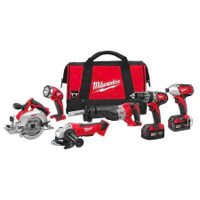
If you need several different tools at a jobsite, a cordless combination kit can be of great value both literally and figuratively. With two or more tools running on the same battery system, you can share batteries among the various tools. This means not having to keep track of and carry as many different batteries around, all while having to make sure that they’re all charged. In many cases, a cordless combo kit can be less expensive than buying the tools individually.
Product Compliance and Suitability
The product statements contained in this guide are intended for general informational purposes only. Such product statements do not constitute a product recommendation or representation as to the appropriateness, accuracy, completeness, correctness, or currentness of the information provided. Information provided in this guide does not replace the use by you of any manufacturer instructions, technical product manual, or other professional resource or adviser available to you. Always read, understand, and follow all manufacturer instructions.
