


6 Tips for Choosing Between Pneumatic and Hydraulic Crimpers
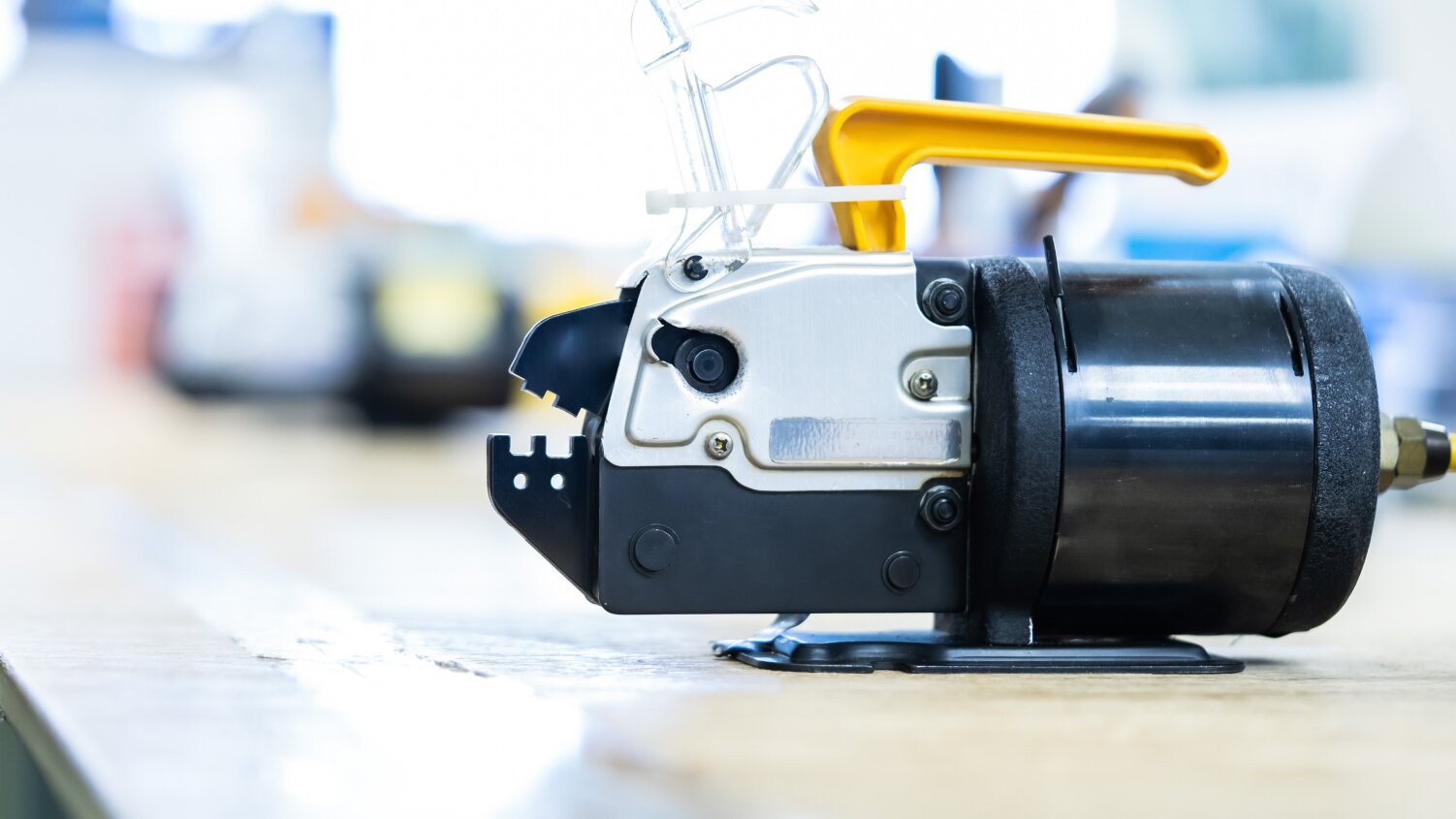
Crimping is a crucial part of reliable electrical and manufacturing work. Whether you’re outfitting a shop floor or heading to the jobsite, the crimping system you choose plays a big role in efficiency, safety, and performance. Here are six tips to help you decide between pneumatic and hydraulic crimpers based on your setup, workload, and long-term needs.
1. Match the Tool to Your Wire Size
The type of wire you use most often is a good place to start. Pneumatic crimpers are ideal for small to medium wire gauges, like 22–10 AWG, where fast, repeatable connections are the goal. Hydraulic crimpers, on the other hand, are designed for larger cables—think 4 AWG and up—and can handle the heavy compression needed for power lugs and large conductors. If you’re wiring heavy equipment or setting up power distribution panels, a hydraulic crimper offers the force you need for gas-tight, low-resistance terminations.
2. Know Your Volume
If you're producing hundreds or even thousands of crimps per shift, speed matters. Pneumatic systems shine in high-throughput environments because they deliver fast cycle times with low operator fatigue. Hydraulic crimpers, while slower, provide the high pressure needed for fewer but more demanding crimps. For shops that focus on mass production, pneumatic crimpers support productivity without wearing down your crew.
3. Consider Where You Work
Work location makes a big difference in tool selection. Pneumatic crimpers are typically stationary, often mounted on a bench, and dependent on a steady compressed air supply. Hydraulic crimpers are more flexible, especially in battery- or hand-powered models, which makes them a reliable choice for field service, jobsite installs, or any location without air infrastructure. If mobility is key, a portable hydraulic crimper might be the better fit.
4. Factor in Setup and Maintenance
Pneumatic and hydraulic systems have different maintenance needs. Pneumatic units require a clean, dry air supply, along with filters and seals that need regular checks. Hydraulic systems involve fluid levels, occasional calibration, and attention to seals. The right choice might come down to what infrastructure you already have in place. If your shop is already outfitted with air lines, a pneumatic setup may be the simpler addition. If you're used to maintaining hydraulic tools, that system might make more sense.
5. Think Long-Term Value
When comparing systems, it’s not just about the upfront cost. Pneumatic crimpers often offer lower operating costs over time in high-volume shops, thanks to lower maintenance demands and quicker cycle times. Hydraulic tools are built for durability and high-force applications, which can reduce downtime and rework in heavy-duty settings. Consider your shop’s workload and your long-term plans before making a decision.
6. Explore Hybrid or Modular Options
If your operation handles a wide range of cable sizes and connector types, hybrid or modular crimping systems might be worth exploring. Some platforms use interchangeable heads or dies that work across pneumatic, manual, or battery-powered tools. While these systems come at a higher upfront cost, they offer flexibility and scalability that can be valuable as your shop grows or job demands change.
Final Thought
There’s no one-size-fits-all crimping tool. Pneumatic crimpers are built for speed and efficiency with small- to mid-size terminals, while hydraulic crimpers are made for the heavy lifting. Choosing the system that fits your work helps improve output, reduce fatigue, and support consistent, high-quality connections.
Still not sure which one’s right for your shop? Let’s talk specs—not guesswork. We’re here to help you get the job done.
Product Compliance and Suitability
The statements contained in this guide are intended for general informational purposes only. Such statements do not constitute a product recommendation or representation as to the appropriateness, accuracy, completeness, correctness, or currentness of the information provided. Information provided in this guide does not replace the use by you of any manufacturer instructions, technical product manual, or other professional resource or adviser available to you. Always read, understand, and follow all manufacturer instructions. Portions of this article were generated in part by ChatGPT, and edited by a member of the Zoro team.
